


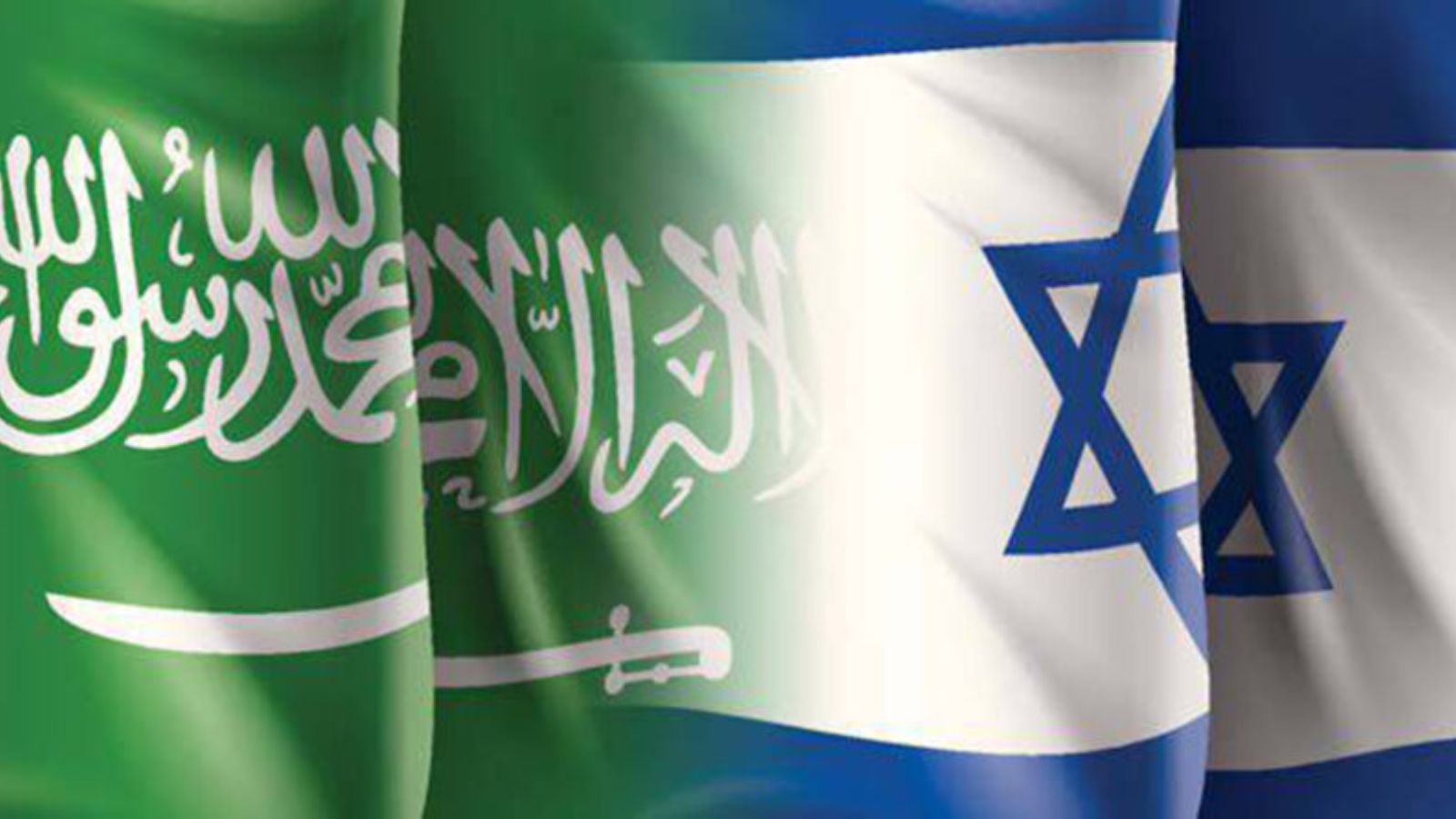
As the geopolitical landscape of the Middle East continues to shift, Saudi Arabia’s potential normalization of relations with Israel marks a significant turning point. According to $1 Donald Trump, the kingdom is preparing to join the Abraham Accords, a series of agreements aimed at establishing diplomatic ties between Israel and several Arab nations. This announcement has sparked discussions about the implications for regional stability and the ongoing Israeli-Palestinian conflict.
In a recent meeting with Trump, Saudi Crown Prince Mohammed bin Salman al Saud highlighted that any reconciliation with Israel must include a clear and credible path toward establishing a Palestinian state. This statement underscores the complexity of the situation; while the prospect of improved relations between Saudi Arabia and Israel is enticing, it is inextricably linked to the broader issue of Palestinian statehood. The Crown Prince’s emphasis on a “non-reversible, credible, and time-bound” approach signals a commitment to addressing Palestinian aspirations alongside diplomatic engagement with Israel.
The backdrop to this development is the Abraham Accords, which were initiated in September 2020. These agreements, facilitated by the United States, saw Israel establish diplomatic relations with the United Arab Emirates and Bahrain, marking a historic shift in Middle Eastern diplomacy. Following these initial agreements, Morocco and Sudan also announced their intentions to normalize relations with Israel. Prior to these accords, Israel had only recognized Egypt and Jordan as its Arab neighbors.
The normalization of relations between Saudi Arabia and Israel could herald a new chapter in the region’s diplomatic narrative. The potential for increased cooperation between these two nations could lead to economic and security benefits, not only for Saudi Arabia and Israel but for the region as a whole. However, the path forward remains fraught with challenges, particularly concerning the unresolved Palestinian issue.
As the world watches this evolving relationship, one question looms large: Can Saudi Arabia and Israel find common ground while still honoring the aspirations of the Palestinian people? The answer will likely shape the future of Middle Eastern diplomacy for years to come.
In conclusion, the potential normalization of relations between Saudi Arabia and Israel represents a significant shift in the Middle Eastern geopolitical landscape. While this development offers opportunities for new alliances and economic collaboration, it also highlights the enduring complexities of the Israeli-Palestinian conflict. The commitment to a credible path toward Palestinian statehood will be crucial in determining the success of these diplomatic efforts.