
Quick Read
- Jefferson County Public Schools (KY) faces closures, consolidations, and relocations to address a $188 million deficit; board votes Dec. 9.
- Hundreds of students and at least 165 teachers/staff in JCPS could be impacted by proposed changes.
- Evanston/Skokie District 65 (IL) board deadlocked on school closures; only Dr. Bessie Rhodes School of Global Studies likely to close in spring.
- Kansas City Public Schools and Liberty Public Schools (MO) closed Dec. 2 due to record-setting snowfall and Winter Weather Advisory.
- Budget deadlocks and weather emergencies are disrupting education for thousands of families across multiple states.
Budget Crises Force Tough Choices in Jefferson County
In Louisville, Kentucky, the Jefferson County Public Schools (JCPS) board is weighing the closure and consolidation of several schools to address a staggering $188 million deficit. Superintendent Dr. Brian Yearwood’s proposals are as concrete as they are painful: shuttering Zachary Taylor Elementary and Liberty High School, relocating Waller-Williams Environmental, consolidating King Elementary into Maupin Elementary, and moving the Georgia Chaffee Teenage Parent Program (TAPP).
The plan, expected to save JCPS about $4 million, has ignited a wave of emotional reactions from both educators and families. “As Zachary Taylor closes, the students in my classroom and many more will lose more than a building. They will lose safety, stability, an environment that has allowed them to thrive,” teacher Jessica Boone shared in a packed feedback session. For Liberty High School students, like sophomore Kaitlin Webster-Hayes, the closure threatens more than academics—it threatens the sanctuary that helped her recover from severe bullying and excel after struggling elsewhere.
Teachers, too, are bracing for impact. Liberty’s Karen Cash worries that sending students back to their original schools could undo hard-won progress: “We’re their second chance. If we send them back to those schools where they struggled, we feel like we’re just giving them more struggle, and many of them will not make it through to that graduation day.”
The board faces a difficult decision, balancing fiscal responsibility against the emotional and developmental needs of students. Board member Taylor Everett summed up the dilemma: “It’s really hard to balance the emotion plus the fiscal responsibility we have. Timing is never perfect, and the more we push it off, it’s going to delay something else.” The final vote is scheduled for December 9, with hundreds of students and at least 165 staff members set to be affected.
Evanston/Skokie District 65: Deadlock and Community Anxiety
North of Chicago, Evanston/Skokie District 65’s struggle to close its multimillion-dollar deficit has led to repeated boardroom deadlocks. At a special meeting Monday night, board members split 3-3, with one seat vacant, unable to agree on which schools—if any—should close. The stakes are high: without action, the district risks falling below 90 days’ cash on hand next year, with significant financial repercussions.
Parents and community members filled the meeting room, voicing urgent pleas both for and against closures. “Closing multiple schools isn’t the clear-cut cost savings lever some think it is,” one speaker warned, while others pressed the board to move forward: “Let’s stop talking about what we might lose and start talking about the future.” Board member Andrew Wymer pointed to lingering liabilities, noting that even closing one school leaves the community facing $9.1 million in financial obligations.
Ultimately, the deadlock left the community in suspense. Board President Patricia Anderson stressed that doing nothing was not an option, yet the absence of a decisive vote means closures are stalled until a new member is appointed. “This deadlock is where we ended last time, and many of us have been advocating for the board desperately to come to a decision,” parent Hanah Jones-Lewis lamented.
Which Schools May Close? The Human Cost of Uncertainty
Amid the tie votes, only Dr. Bessie Rhodes School of Global Studies is likely to close next spring. Proposals to shutter Kingsley Elementary or both Kingsley and Lincolnwood elementary schools failed to win enough support. The board unanimously rejected closing Kingsley and Willard elementary together.
The clock is ticking: Illinois law requires three public hearings for each school slated for closure before winter break on December 19. With no consensus, it’s likely that no additional closures will take place this year. The district’s Structural Deficit Reduction Plan calls for $11–$15 million in cuts before fiscal year 2030, but progress remains stalled. Community members worry about the psychological impact on children who have already weathered years of instability. “The last thing these kids need is more volatility, disruption, and chaos. We are talking about school closures as if we are corporate consultants,” parent Dr. David Hauser pointedly observed.
Winter Weather Forces Emergency Closures in Kansas City
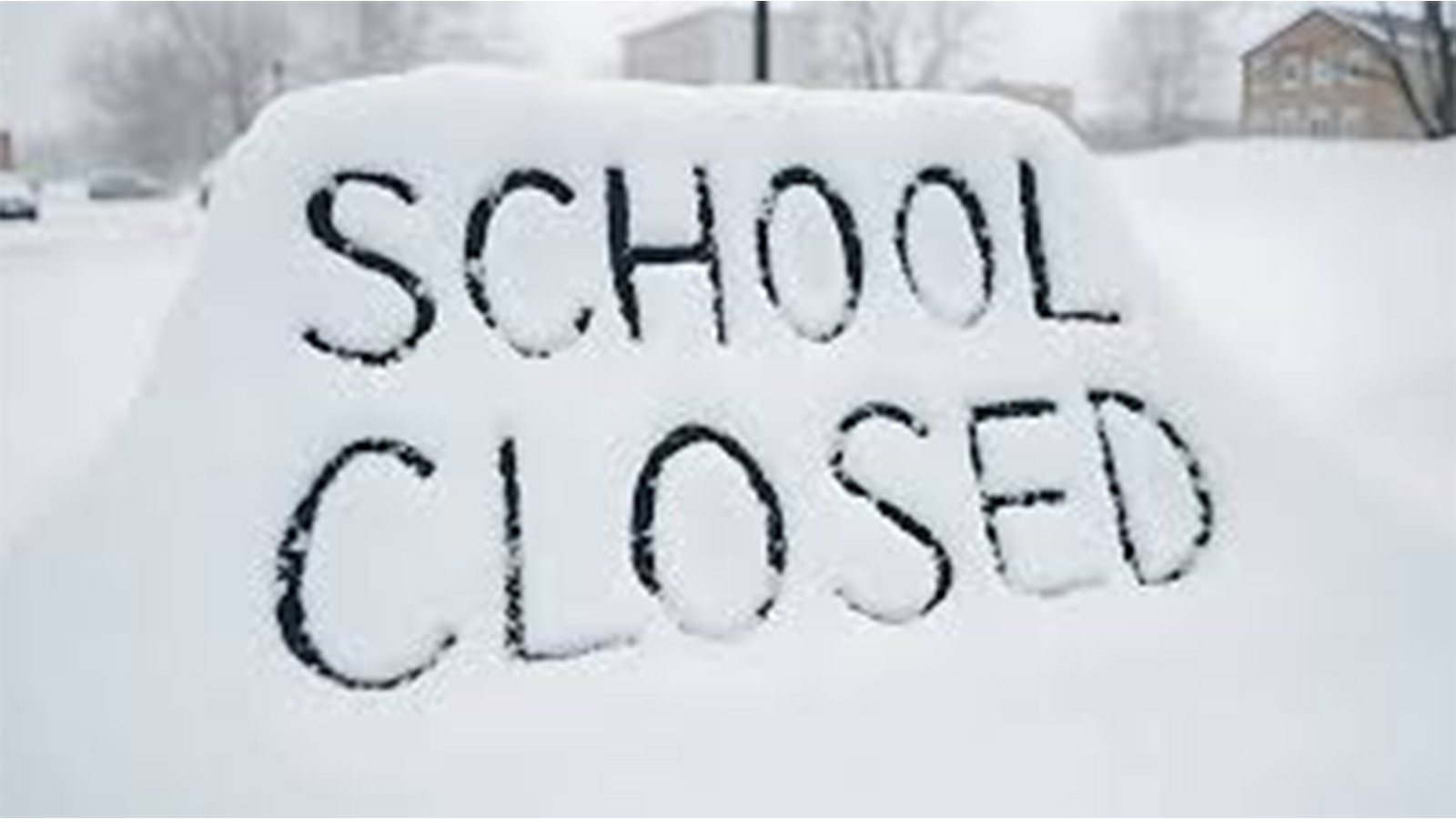
Meanwhile, in Missouri, school closures have a different trigger: the weather. Kansas City Public Schools and Liberty Public Schools both announced closures for Tuesday, December 2, due to a Winter Weather Advisory and significant snowfall. The decision marks the first inclement weather day of the school year, with no in-person or virtual classes held.
The LPS school-age care program (Kid’s Zone) remained open at Alexander Doniphan Elementary for enrolled families, offering a small lifeline for working parents. According to the FOX4 Weather Team, the city saw record-setting snowfall of 2.9 inches near the Kansas City International Airport, with some northern counties reporting up to 4.5 inches. The National Weather Service confirmed that the heaviest snow fell north of the river, impacting Ray and Clay counties most acutely.
For families, the closures brought both disruption and relief. As one parent told FOX4, “It’s a scramble for childcare, but I’m glad the district put safety first.” The districts urged families to stay tuned for updates as winter weather continued across the metro.
The Broader Picture: When Schools Close, Communities Feel the Ripple
Across the country, the reasons for closing schools vary—from chronic budget shortfalls to sudden weather emergencies—but the effects are remarkably similar. Students lose stability, teachers face job insecurity, and families are forced to adapt, often at short notice. The decisions made in boardrooms and district offices have real consequences for thousands of lives, and the path forward is rarely simple.
As 2025 draws to a close, communities in Kentucky, Illinois, and Missouri are left grappling with the uncertainty of what comes next. Will elected officials find the political will to break deadlocks and make tough decisions? Can districts balance budgets without sacrificing vital support for vulnerable students? And how will families weather both fiscal and literal storms in the months ahead?
School closures—whether triggered by budget crises or snowstorms—are more than administrative decisions. They are inflection points for communities, testing resilience and forcing reflection on what we value most in public education. The debates unfolding in Jefferson County and Evanston/Skokie show that while numbers may drive policy, the heart of the issue lies with the children, educators, and families navigating the fallout. As these stories reveal, the process is as fraught as it is necessary—and the outcomes will shape the future of learning for years to come.