
Quick Read
- Scott Bessent led negotiations to avert 100% tariffs on Chinese rare earth exports, securing a one-year delay.
- China agreed to purchase more U.S. agricultural products and help curb fentanyl precursor exports.
- Bessent faces criticism over the government’s shutdown, which has left federal workers unpaid and slowed the economy.
- Controversy surrounds the demolition of the East Wing of the White House for a new ballroom.
- Escalating military actions in the Caribbean raise questions about legality and strategy.
Scott Bessent: The Man at the Center of America’s Economic Storm
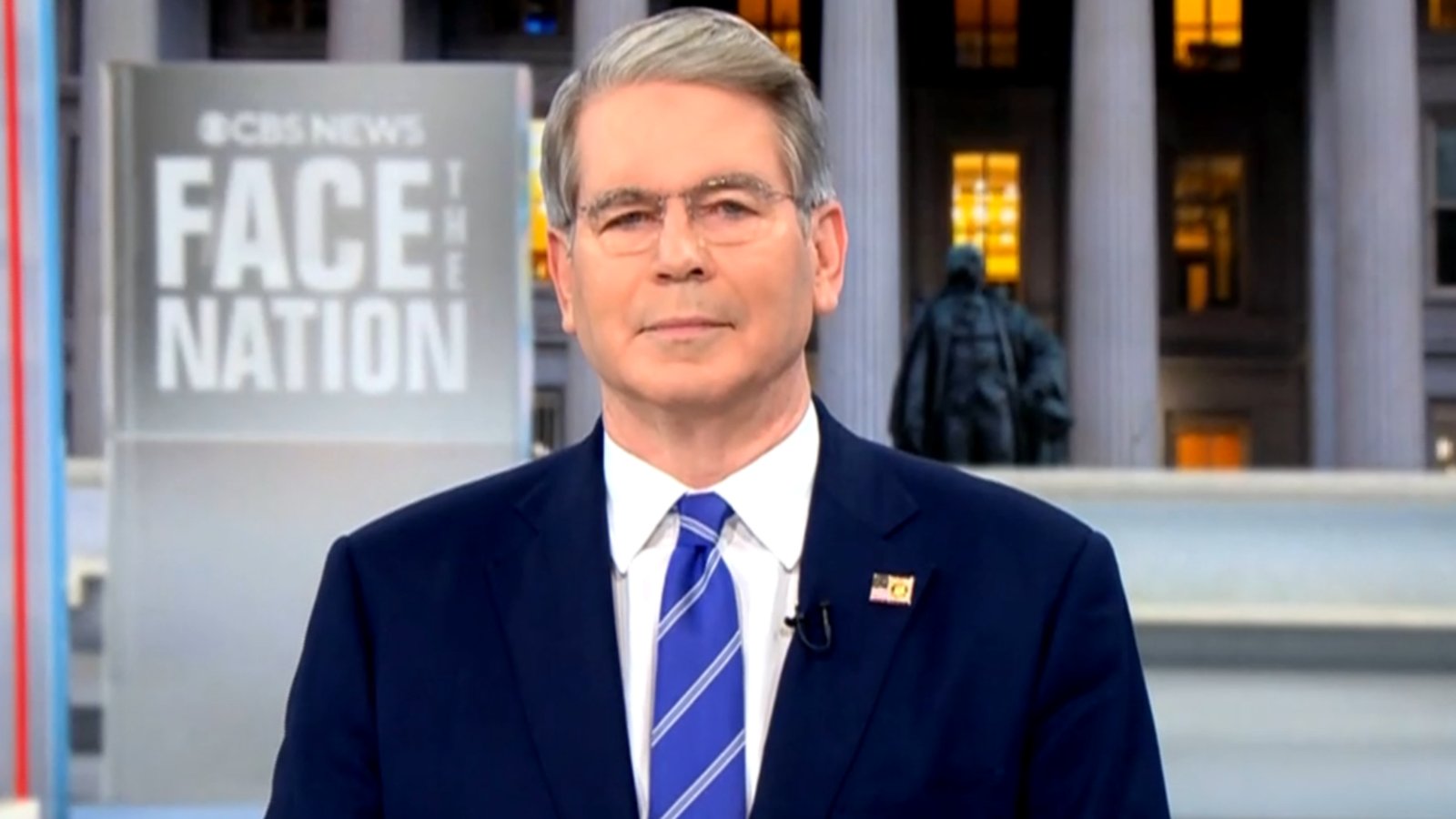
On a turbulent October morning, as the government shutdown drags into its fourth week and the White House’s East Wing is reduced to rubble, Treasury Secretary Scott Bessent finds himself at the heart of America’s economic and political drama. He’s not just a number cruncher; he’s the trusted lieutenant in President Trump’s high-stakes gambit to reshape domestic policy and foreign relations, all while federal workers miss paychecks and uncertainty grips the nation.
Bessent, speaking from Malaysia, is juggling more than spreadsheets. He’s fresh off his fifth round of talks with Chinese Vice Premier He Lifeng, laying the groundwork for Trump’s upcoming meeting with President Xi Jinping at the APEC summit. At stake? A trade war that has rattled global markets, the livelihoods of American farmers, and the price of everyday goods.
Trade Tensions and Tariff Threats: The U.S.-China Gamble
“The president gave me maximum leverage,” Bessent told ABC’s Martha Raddatz, referencing Trump’s threat of 100 percent tariffs if China moves forward with rare earth export controls. That threat, for now, has been averted. Bessent’s team secured a framework to delay China’s licensing regime for a year, giving both sides breathing room. Regular quarterly meetings are set to continue, and China has pledged new purchases of American agricultural products—welcome news for U.S. farmers battered by trade boycotts.
Bessent’s personal stake in these negotiations is palpable. “I’m actually a soybean farmer,” he revealed, underscoring the human cost of tariffs and boycotts. After years of near-zero Chinese purchases, American soybean growers—many of whom are staunch Trump supporters—are desperate for relief. Bessent promises that the new deal, once public, will bring optimism for the coming seasons.
But the global chessboard is far from calm. As Trump travels in Asia, he simultaneously escalates tensions with Canada, slapping an additional 10 percent tariff on Canadian goods over a political spat involving Ontario’s controversial commercial. The move, coming just weeks before Supreme Court arguments on Trump’s sweeping tariffs, adds another layer of volatility to an already tense economic climate (Axios).
Government Shutdown: Real People, Real Consequences
Back in Washington, the shutdown’s toll grows heavier. Federal workers are turning to food banks, SNAP payments are drying up for nearly a million Americans, and the country’s travel system is bogged down by air traffic control issues. Military families feel the squeeze, and the risk of missed paychecks looms large.
Bessent is blunt about the stakes. “We’ll be out of money on November 15th,” he warned. For the military not to get paid, he says, “is a disgrace.” The shutdown is beginning to slow the broader economy, threatening both growth and stability.
Despite his role in the administration, Bessent points the finger at Democrats, urging moderate senators to “end this craziness” and break the stalemate. Yet, as Martha Raddatz notes, Trump’s party controls the White House and both chambers of Congress, raising questions about accountability and leadership.
Diplomacy in the Shadow of Demolition
While economic and legislative battles rage, Trump’s decision to demolish the East Wing of the White House for a privately funded ballroom project has sparked controversy. Historic preservationists call it “unprecedented,” and satellite images show the stark transformation. The administration, defending the move, points to past renovations, but critics argue the scale and secrecy set it apart (NBC News).
For Bessent, these optics matter. He must help project stability and control, even as the administration’s priorities are questioned. The ballroom saga is a metaphor for the larger struggle: balancing legacy, power, and public perception in an era of disruption.
The Fentanyl Crisis and Escalating Military Actions
Bessent’s negotiations with China also touch on the opioid epidemic. China has agreed to help curb precursor chemicals for fentanyl, a gesture toward addressing a crisis ravaging American communities. Yet, on another front, Trump sends a carrier strike group to the Caribbean, targeting suspected drug boats and raising alarms about legality and escalation. Senator Mark Kelly calls the move “questionable,” noting that such routes are not typically used to traffic fentanyl, and warning that this approach risks entangling U.S. forces in unnecessary conflict.
“We should be prosecuting smugglers, not putting young service members at legal risk,” Kelly argues. The line between law enforcement and military action blurs, fueling debate over America’s strategy in the region (CBS News).
Human Costs and Political Deadlock
The shutdown and trade wars are more than headlines—they’re stories of real people. Kelly recounts the plight of Brent, a retired public safety worker and substitute teacher facing a $900 spike in health insurance costs due to the impasse. Millions like him are caught in the crossfire, their futures shaped by decisions made in far-off capitals and conference rooms.
Both Bessent and Kelly agree: the situation is unsustainable. But while Bessent calls for moderate Democrats to break ranks, Kelly insists the solution lies in real negotiation, not blame-shifting. “The president has spent one hour on this,” Kelly notes, contrasting that with the attention devoted to the ballroom project.
Legislative proposals to pay federal workers have stalled, blocked by partisan fights over control and oversight. The impasse reflects a deeper dysfunction, as trust erodes and the cost of inaction mounts.
Assessment: The Stakes and the Path Forward
Scott Bessent’s role as Treasury Secretary is a study in crisis management—balancing bold negotiation with the hard realities of governance. He navigates tariff threats, shutdown politics, and international diplomacy with a pragmatic, sometimes blunt approach. Yet the challenges he faces underscore a broader truth: America’s economic health is inseparable from its political stability and global reputation. As the shutdown drags on and trade tensions simmer, the choices made by Bessent and his peers will shape not just policy, but the lived experiences of millions. Whether compromise can be reached, or whether gridlock will deepen, remains the central question for the weeks ahead.
In this volatile moment, Scott Bessent exemplifies the Treasury’s dilemma: how to wield leverage abroad while safeguarding livelihoods at home. His efforts have bought time on the trade front and secured some relief for farmers, but the government shutdown and escalating confrontations reveal the limits of executive action alone. The coming days will test whether reason and negotiation can prevail over entrenched divides—decisions with consequences far beyond the headlines.