
Quick Read
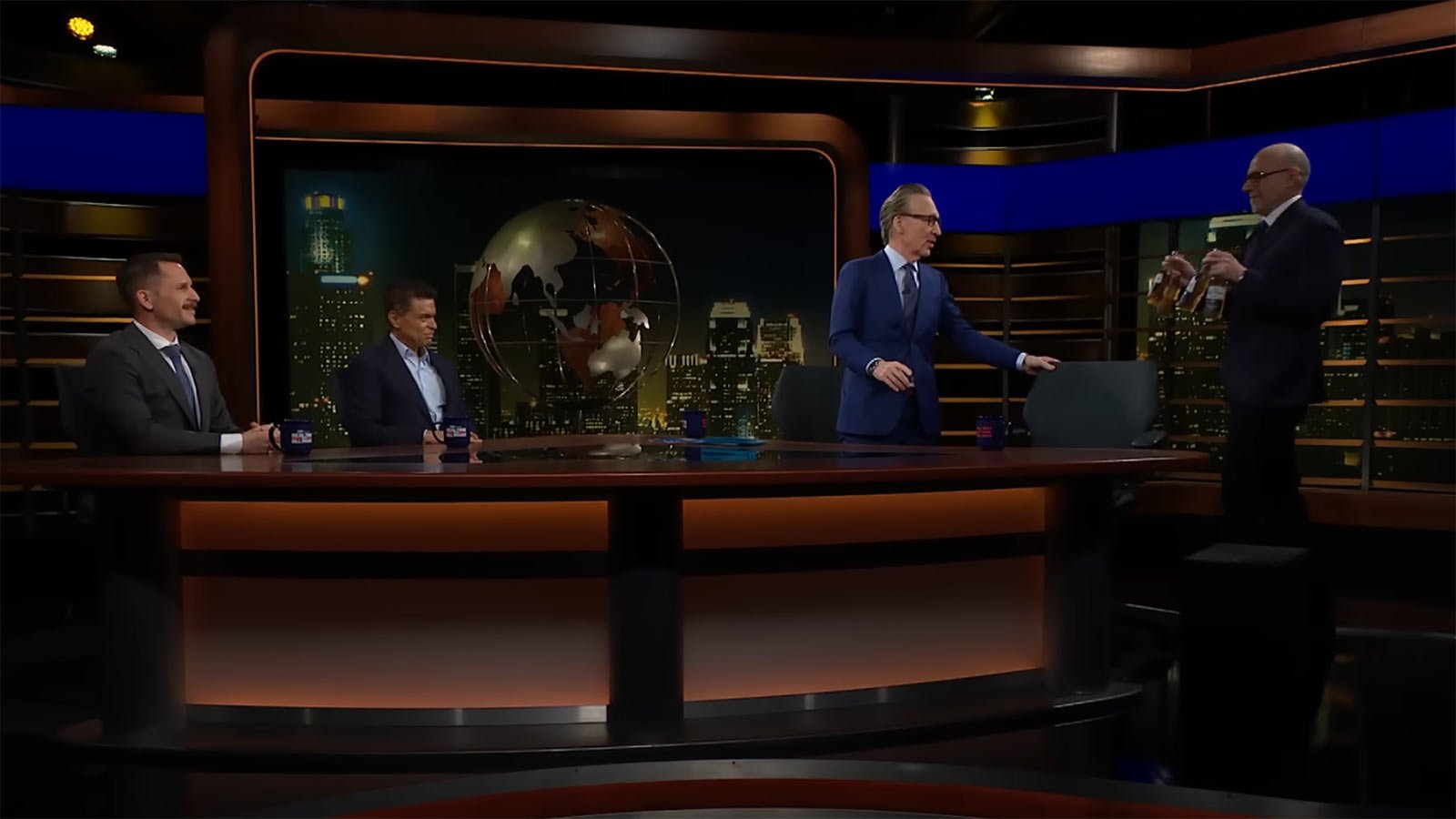
- Scott Galloway appeared on HBO’s Real Time with Bill Maher in November 2025.
- He highlighted rising struggles among men, including suicide and addiction rates.
- Galloway blamed tech-driven social changes and called for renewed focus on relationships and resilience.
- Panelists also discussed economic inequality, especially its impact on health and life expectancy.
- The episode explored how affordability and political divides shape American society.
Scott Galloway Confronts the Men’s Crisis on National Television
On a brisk November evening in 2025, Scott Galloway—author, professor, and commentator—joined Josh Barro and Fareed Zakaria on HBO’s Real Time with Bill Maher to dissect some of America’s deepest anxieties. The panel dove headlong into the so-called ‘men’s crisis,’ an issue that, while often discussed in hushed tones, is increasingly taking center stage in national discourse. Galloway didn’t mince words: “If you look at suicide, addiction, and homelessness, men are doing badly relative to women.”
His diagnosis was pointed and, at times, unsettling. Galloway argued that the technology sector has unintentionally fostered a generation of “asocial, asexual males,” who find themselves ill-equipped for the demands of adulthood, relationships, and resilience. For Galloway, the solution isn’t just economic or political—it’s personal. He urged young men to embrace rejection as a necessary step toward growth, declaring, “The only way you ever get to amazing ‘Yes’es is with a lot of ‘No’s.” In a culture of swipes and quick dismissals, this advice lands with a thud, challenging the narrative of instant gratification that dominates modern life.
Relationships, Social Codes, and the Fabric of Society
The conversation quickly pivoted to the value of relationships. Galloway emphasized that romantic and social connections are what give life meaning, but he was careful to acknowledge the complexities of expressing interest in today’s cultural climate. “It’s not just about being bold,” he said, “but making sure the other person feels safe.” The nuance here is crucial. In an era marked by heightened awareness of boundaries and consent, Galloway’s advice straddles the line between traditionalism and progressivism.
Host Bill Maher, never one to shy away from controversy, challenged the panel’s assumptions. He questioned whether men truly need relationships more than women, sparking a debate that exposed the intricacies of gender roles and expectations. The exchange was lively, respectful, and—perhaps most importantly—honest, reflecting the kind of dialogue that’s often missing in public conversation.
Economic Inequality: A Matter of Life and Death
Fareed Zakaria brought an international perspective to the table, pointing out that “Men in the top one percent of the income distribution have 15 years’ extra life expectancy than men in the bottom one percent. There is no other civilized country in the world where you have this kind of gap.” The statistic was more than a number—it was a stark reminder of the real-world consequences of economic inequality.
Josh Barro, known for cutting through political rhetoric, tied these disparities directly to healthcare. Discussing the rumored Trump administration plan to give Americans a fixed sum for health coverage, Barro was blunt: “Not if you get cancer.” His retort underscored a critical reality—economic insecurity in the U.S. often translates into health insecurity. For millions, the safety nets that are supposed to catch them feel increasingly threadbare, and the American dream seems more distant than ever.
Political Divides and the Question of Affordability
The episode didn’t shy away from politics. Maher referenced the evolving makeup of the Democratic Party, noting that both progressive and centrist candidates are finding success by focusing on affordability—a theme that resonates across gender, class, and race. This isn’t just a political strategy; it’s a reflection of the anxieties that define American life in the 2020s.
Maher’s sardonic comparison of American socialism to North Korea and Venezuela was met with laughter, but the underlying question lingered: Where do the lines between capitalism, socialism, and basic decency lie? The panel’s discussion revealed that these boundaries are not just theoretical—they’re lived experiences, shaping everything from healthcare to relationships.
Levity Amid Gravity: Finding Hope in Honest Debate
Despite the weighty topics, the episode found moments of levity. Maher joked about New York City’s endless scaffolding, likening it to a haunted house, and shared an anecdote involving Seth MacFarlane and a senator’s drinks getting swapped. These lighter moments offered a necessary respite, reminding viewers that humor can coexist with serious reflection.
Yet, the heart of the episode remained focused on America’s search for meaning. Galloway’s call for resilience, Barro’s insistence on evidence-based debate, and Zakaria’s global comparisons coalesced into a portrait of a country at a crossroads. The panel didn’t pretend to have all the answers, but they modeled the kind of conversation that’s needed—one that’s honest, empathetic, and willing to grapple with complexity.
The episode’s resonance lies in its refusal to offer easy solutions. Instead, it asked viewers to consider how relationships, economic stability, and personal resilience intertwine to shape the future of American society.
Scott Galloway’s contribution to this debate is a reminder that the crisis facing men in America is not isolated—it’s woven into the broader fabric of economic insecurity and social change. His emphasis on resilience and relationships provides a pragmatic starting point, but the challenge remains: can society rebuild the connections and opportunities that give life meaning? As polarization deepens, voices like Galloway’s are essential, not for their certainty, but for their willingness to confront uncomfortable truths.