
Quick Read
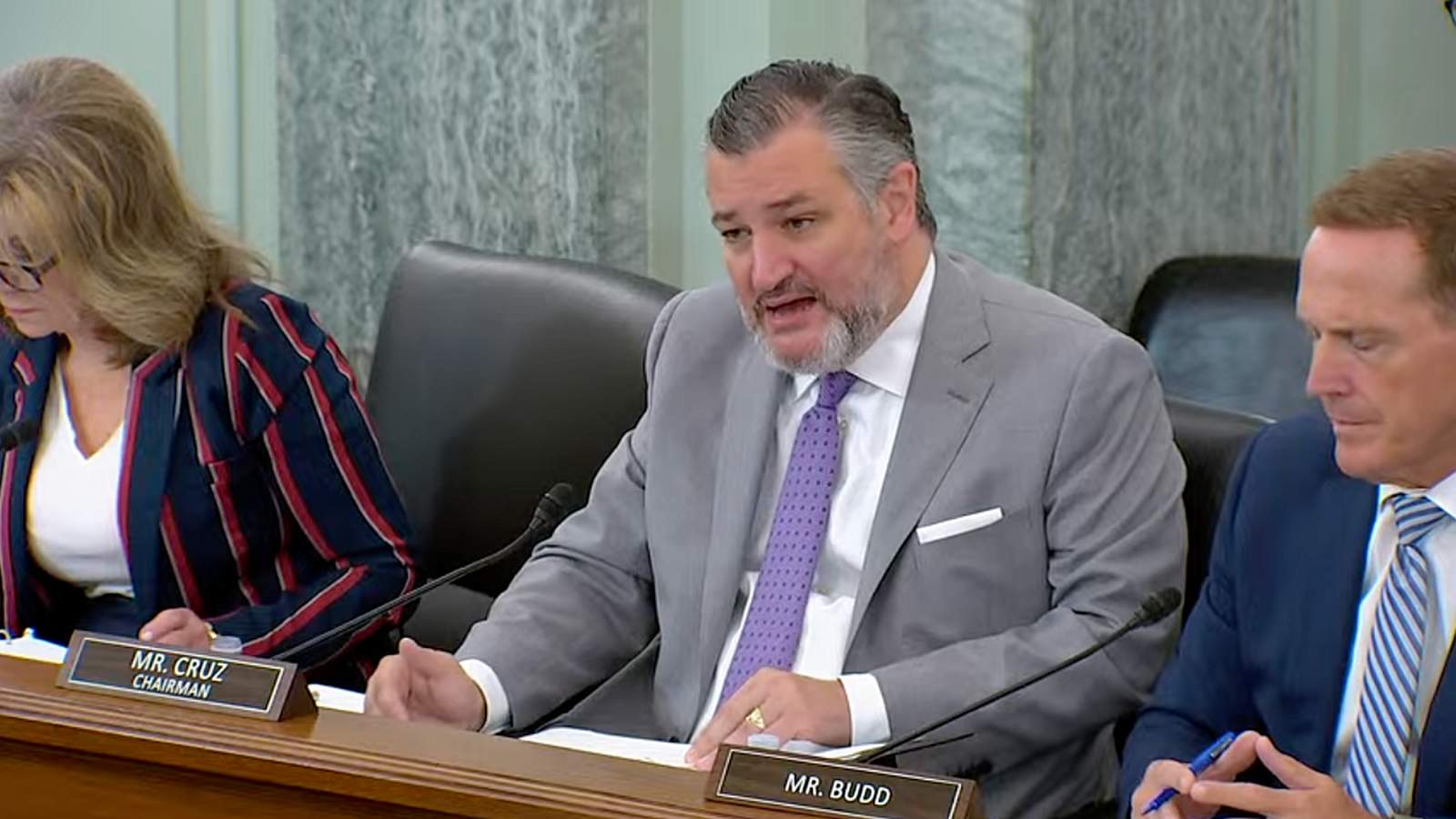
- Senator Ted Cruz introduced the SANDBOX Act to promote AI innovation through regulatory exemptions.
- Industry leaders support the bill, while civil society groups warn it may weaken accountability.
- The SANDBOX Act aligns with the Trump administration’s AI Action Plan.
- Regulatory agencies face increasing political influence amid high-profile merger reviews.
- Congress is debating multiple AI-related bills, highlighting national security and privacy concerns.
Senator Ted Cruz’s SANDBOX Act: A New Era for US AI Policy
In September 2025, Senator Ted Cruz (R-TX) stepped into the spotlight of American technology policy as he unveiled a sweeping proposal that could reshape the nation’s approach to artificial intelligence. As chairman of the Senate Commerce Committee, Cruz introduced the SANDBOX Act (S. 2750), a bill designed to create a ‘regulatory sandbox’ for AI developers. If enacted, this legislation would allow companies to test and deploy AI products with temporary exemptions from existing federal rules, all under the supervision of the White House Office of Science and Technology Policy (OSTP).
The rationale behind Cruz’s approach is clear: he wants the United States to lead the world in AI innovation and compete aggressively with China. Describing current regulations as “obstructive,” Cruz argues that the SANDBOX Act will let American firms experiment more freely, driving growth and technological advancement. The bill aligns closely with the Trump administration’s AI Action Plan, which prioritizes light-touch regulation and industry self-governance.
Industry Cheers, Civil Society Pushes Back
Tech industry leaders have largely welcomed Cruz’s framework. Linda Moore, CEO of TechNet, praised the senator’s “continued leadership” and hailed the SANDBOX Act as a critical step toward strengthening US global leadership in AI. NetChoice’s Amy Bos called the bill an “innovation-first approach,” and Meta went as far as to say the regulatory sandbox could benefit a wide range of businesses and research efforts, not just a select few giants.
But the chorus of approval is hardly unanimous. Civil society groups have voiced deep concerns about the SANDBOX Act, warning that it could become a “liability shield” for the AI industry. Brian J. Chen and Janet Haven of Data & Society argue that the bill enables companies to “continue to discriminate, spread deepfakes, exacerbate mental health risks and surveil workers.” Public Citizen’s J.B. Branch insists that Congress should focus on accountability and consumer protection, not “hall passes” for tech firms. Sacha Haworth from The Tech Oversight Project cautions that the legislation would allow Big Tech to sidestep standards designed to safeguard privacy and protect vulnerable groups.
Political Tensions and Regulatory Independence
Cruz’s AI initiative comes amid growing debate over political influence in federal agencies. The recent suspension of comedian Jimmy Kimmel by ABC/Disney, following FCC Chairman Brendan Carr’s threats to revoke broadcast licenses, has raised alarms about the politicization of merger reviews and regulatory decisions. Critics say the Trump administration is increasingly using the FCC and FTC to reward allies and punish critics, potentially undermining the independence these agencies were designed to uphold. As former FTC Commissioner Alvaro M. Bedoya noted, such moves threaten the diversity of viewpoints and the democratic spirit of antitrust enforcement.
Some Senate Republicans have privately expressed discomfort with this trend, even as many Trump supporters applaud Carr’s assertive stance. The result is a turbulent regulatory landscape, where the intersection of tech, media, and politics feels more charged than ever.
Congressional Momentum: AI, Privacy, and Security
The SANDBOX Act is just one piece of a larger legislative puzzle. In September, Congress also saw bills aimed at AI safety for children (CHAT Act), academic standards for emerging technologies (RAISE Act), and consumer safety (Consumer Safety Technology Act). Both the House and Senate versions of the National Defense Authorization Act (NDAA) included provisions to accelerate AI adoption across the Department of Defense, underscoring the technology’s strategic importance.
Meanwhile, regulatory scrutiny is intensifying. The FTC launched investigations into major AI firms, including Alphabet, OpenAI, and Meta, focusing on how these companies safeguard children and comply with privacy laws. The agency settled a decade-long case against Pornhub’s parent company for failing to prevent the spread of illegal material, and forced Amazon to pay $2.5 billion to resolve allegations of deceptive practices tied to its Prime subscriptions.
In parallel, concerns over surveillance and biometric data use by Immigration and Customs Enforcement (ICE) have prompted calls for new protections. The Protecting Law Enforcement from Doxxing Act, proposed by Sen. Marsha Blackburn, aims to criminalize the exposure of federal officers’ identities, highlighting the delicate balance between security, privacy, and transparency in the age of AI.
Industry Moves and Global Implications
On the industry front, major players are adapting quickly. Meta and NetChoice have launched new super PACs to support pro-tech candidates and resist restrictive AI legislation. Microsoft and OpenAI’s restructuring signals a shift toward profit-driven AI development, even as regulatory approval remains pending. Apple has quietly updated its internal AI training policies, reflecting the changing political winds in Washington.
There’s also a notable global dimension. The Trump administration’s executive order to separate TikTok’s US operations from ByteDance, and the ongoing scrutiny of Chinese investments in AI data annotation, reflect persistent concerns about national security and foreign influence. The FCC’s move to revoke recognition from Chinese-controlled testing labs is a further step toward supply chain independence.
Debate Over Accountability and the Path Forward
As the SANDBOX Act moves through Congress, the debate over AI regulation is intensifying. Supporters see Cruz’s approach as a bold bid to cement America’s leadership, remove barriers to innovation, and ensure that US firms can outpace global rivals. Critics, however, warn that a regulatory “sandbox” may be too permissive, exposing consumers and workers to unchecked risks and eroding essential safeguards.
Senator Cruz himself has framed the conversation in stark terms: “Will AI’s future be American?” he asked in a recent op-ed, positioning the legislation as a linchpin for national competitiveness. Yet, the question that lingers is whether innovation and accountability can truly coexist—or whether the pendulum has swung too far in favor of industry interests.
As Congress weighs the SANDBOX Act and related bills, the outcome will shape not only the trajectory of US AI policy, but the broader relationship between technology, society, and democracy.
Senator Ted Cruz’s leadership on AI policy reflects a broader tension between innovation and oversight in American tech governance. While the SANDBOX Act could empower US firms to compete globally, it also raises unresolved questions about accountability, public trust, and the social costs of rapid technological change. As lawmakers debate the future, the challenge will be to find a regulatory balance that safeguards both progress and people.