
Quick Read
- SEPTA suspended all Regional Rail lines on October 9th due to signal power issues.
- Service was restored later that day, but delays and disruption lingered.
- The suspension was unrelated to recent safety inspections and NTSB reports about fire hazards.
- Commuters were advised to use Amtrak or SEPTA buses as alternatives.
- Subway service remained unaffected during the disruption.
What Caused SEPTA’s Regional Rail Suspension?
On Thursday, October 9th, Philadelphia’s usually bustling SEPTA Regional Rail network ground to a sudden halt. At around 12:30 p.m., commuters received alerts: all Regional Rail lines were suspended due to signal power issues. The announcement rippled quickly through the city, leaving thousands searching for alternate ways home and sparking confusion at major transit hubs like Trenton Transit Center. Staff scrambled to guide riders to Amtrak or bus alternatives, as SEPTA’s website and app became lifelines for real-time updates.
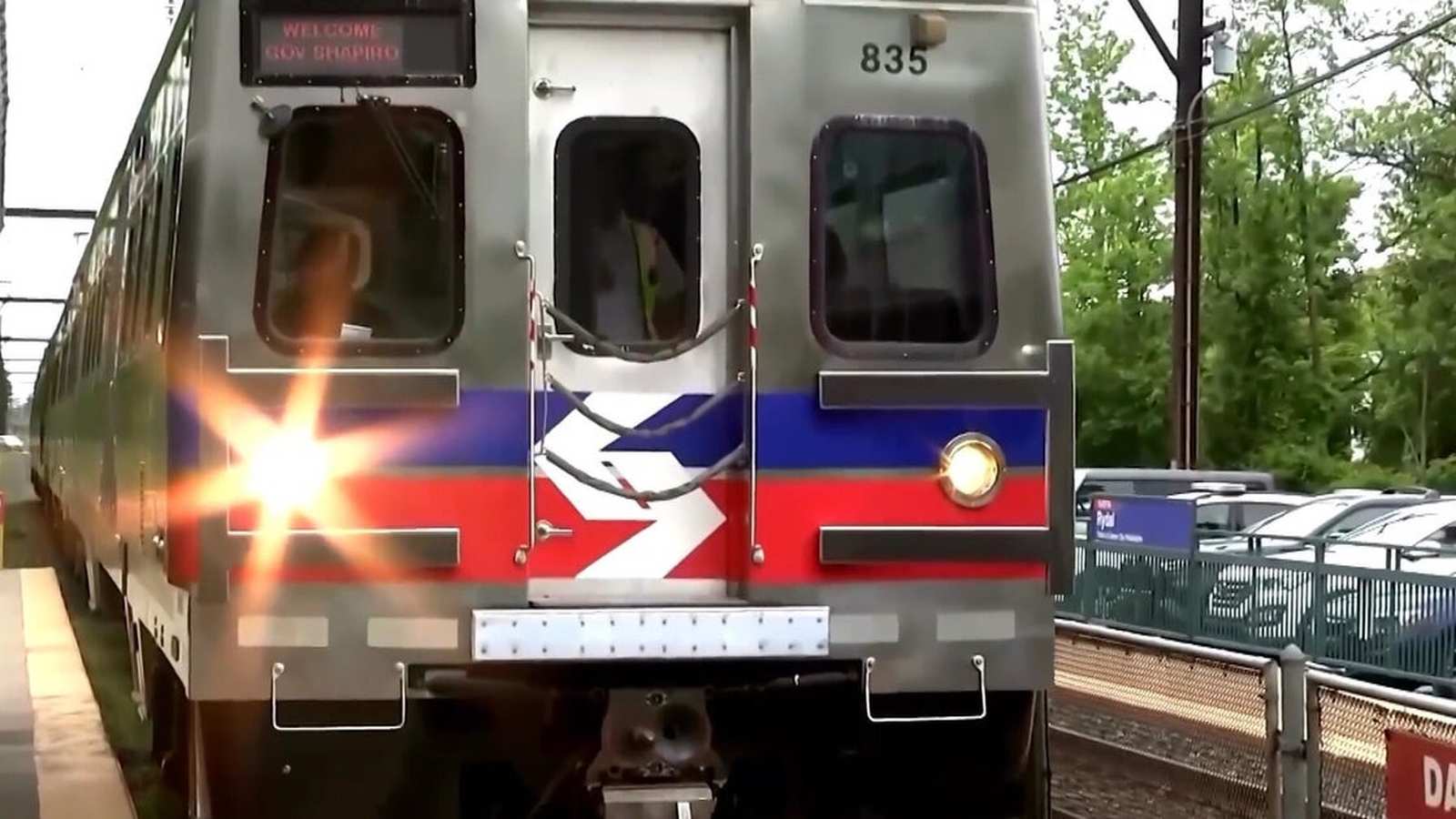
Unlike previous disruptions, SEPTA was quick to clarify that this particular suspension was not connected to the ongoing safety inspections or the recent National Transportation Safety Board (NTSB) report regarding fire hazards on the aging Silverliner IV railcars. As Pennsylvania Patch and CBS News Philadelphia reported, SEPTA’s representatives repeatedly assured the public that the signal power issue was isolated and not part of the broader mechanical or safety concerns plaguing the fleet.
How Riders and Transit Staff Responded
The timing of the suspension could hardly have been worse. Midday, as offices and schools began to empty, many Philadelphians were suddenly stranded. At Trenton Transit Center, staff faced a hectic scene. With no clear timeline for repairs, they advised confused passengers to consider Amtrak into Philadelphia. For those who couldn’t afford Amtrak or faced capacity issues, SEPTA’s bus lines became the next best hope, though these alternatives quickly filled up.
SEPTA’s digital platforms were inundated with queries. Social media accounts, especially X (formerly Twitter), fielded a flood of questions from frustrated riders. The agency’s replies remained cautious: “No timeline at this point.” Meanwhile, subway services—the Broad Street and Market-Frankford lines—remained unaffected and ran close to schedule, offering a sliver of relief for some.
Ongoing Troubles: Safety, Aging Infrastructure, and Delays
While Thursday’s crisis was not directly tied to the ongoing Silverliner IV inspections or the recent NTSB safety report, those issues have continued to cast a long shadow over SEPTA’s reliability. Earlier in the week, the Federal Railroad Administration ordered inspections after a series of fires on Regional Rail cars, leading to many Silverliner IVs being pulled out of service for electrical checks. These compounded the system’s fragility, and though Thursday’s signal power issue was described as isolated, it highlighted how multiple vulnerabilities can converge to disrupt the daily flow of a major city.
According to CBS News Philadelphia, even after the signal power problems were resolved and service resumed later that day, lingering delays persisted. Riders faced late trains and crowded platforms as the system slowly creaked back to life. SEPTA warned that these residual delays could continue as the agency worked to bring all lines back to normal operation.
Looking Ahead: Commuter Resilience and Agency Accountability
For regular riders, Thursday’s ordeal was just the latest in a string of headaches. Some expressed fatigue over what feels like an unending cycle of breakdowns, repairs, and uncertainty. Others wondered aloud how many more incidents would be needed before meaningful investments in infrastructure and rolling stock would materialize.
SEPTA, for its part, encouraged customers to stay informed through its website and app, promising timely updates and alternate route suggestions. Yet, as the dust settled, the question lingered: Can the region’s aging rail system adapt quickly enough to avoid future chaos?
In Philadelphia’s calendar, October is packed with concerts, sporting events, and citywide happenings. With so many relying on Regional Rail to reach venues, jobs, and family, even a few hours of disruption can have a ripple effect far beyond the transit system itself.
As the agency continues to navigate a complex web of technical, safety, and operational challenges, one thing remains clear: the resilience of Philadelphia’s commuters is as vital as ever, but so is the need for sustained investment in safe, reliable public transportation.
SEPTA’s swift restoration of service after Thursday’s suspension was a relief, but the episode exposed persistent vulnerabilities in both infrastructure and communication. As signal power issues and ongoing safety inspections converge, the agency faces mounting pressure to modernize and reassure a weary ridership. The events underscore that Philadelphia’s public transit system, while essential, remains at a crossroads—demanding both immediate fixes and long-term vision.