


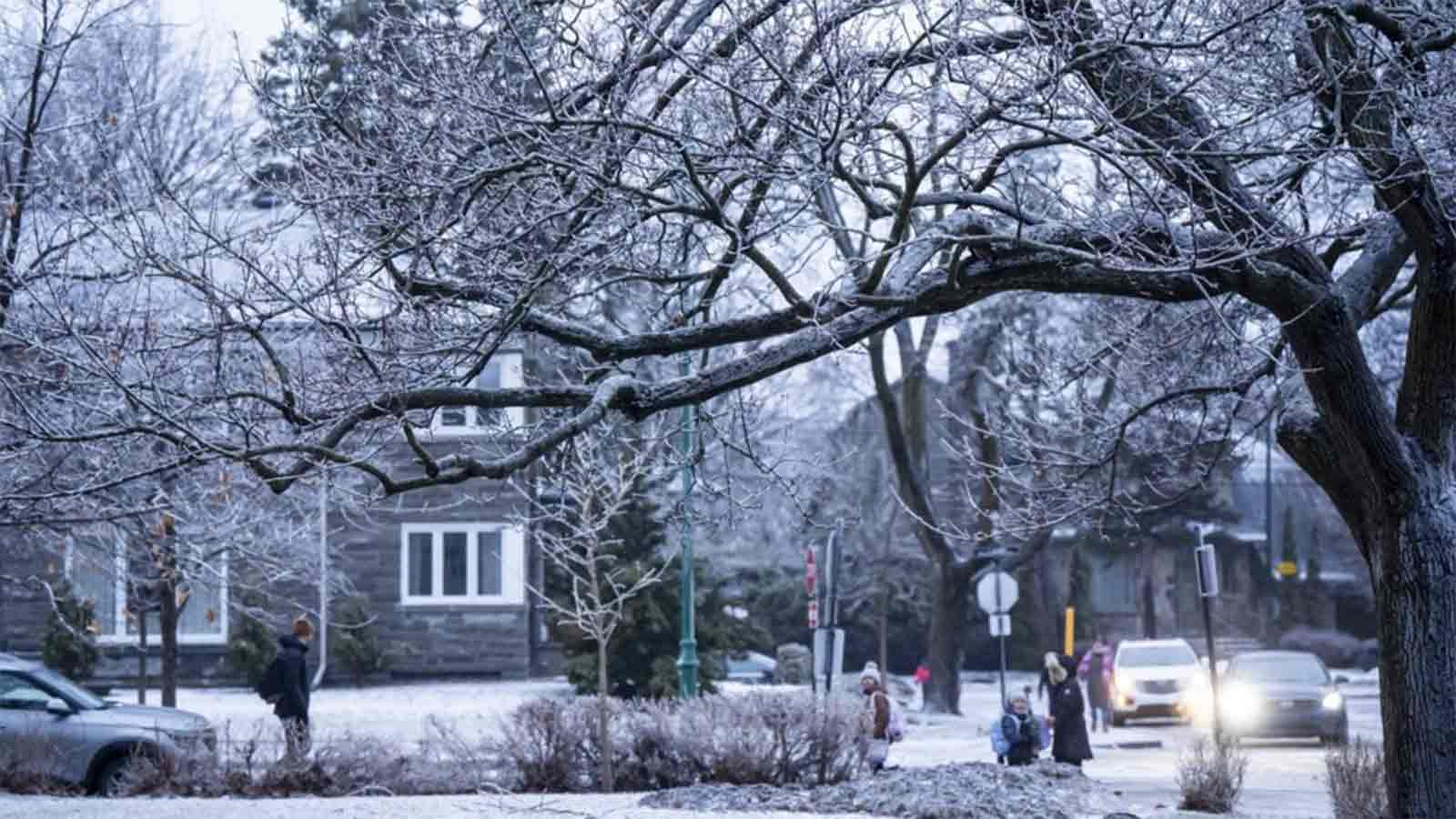
MONTREAL (Azat TV) – Quebec’s energy grid is undergoing a massive restoration effort after a severe freezing rainstorm swept across the province, leaving tens of thousands of households in the dark. While the worst of the weather has passed, the event has reignited urgent conversations regarding the resilience of regional infrastructure in the face of increasingly frequent extreme winter events.
Infrastructure Resilience Under Pressure
At the peak of the storm, more than 215,000 households were without electricity as heavy ice accumulation and high winds brought down power lines and tree branches. According to Hydro-Québec, the province’s utility provider, crews were mobilized immediately to address the outages. By midday Thursday, the number of affected customers had dropped to approximately 130,000, with officials aiming to restore power to 95 percent of the grid by late evening.
Hydro-Québec spokesperson Louis-Olivier Batty noted that while the storm caused significant disruption, it did not result in widespread, catastrophic damage to core equipment, describing the repairs as relatively straightforward. However, the recurring nature of these events—following a costly ice storm in March 2025 that caused over $400 million in insured damage—has pushed utility companies and residents to adopt a more proactive stance toward storm preparedness.
Economic and Public Safety Impact
The storm paralyzed much of the region’s transit and daily life. The Réseau express métropolitain (REM) light-rail service faced significant disruptions, with the link between Brossard and Gare Centrale suspended after ice buildup on overhead power lines rendered preventive measures ineffective. Service only resumed after manual de-icing operations were carried out by maintenance crews.
Public safety officials praised the public’s adherence to stay-at-home directives, which likely kept emergency call volumes steady compared to an average day. Despite the caution, the economic toll was visible, with businesses reporting sharp declines in activity and schools across southern Quebec remaining shuttered for a second day in many districts. Premier François Legault, who met with emergency management officials to oversee the response, urged citizens to remain cautious as temperatures were expected to drop further, potentially turning standing water into hazardous ice.
Insurance and Future Preparedness
As residents begin the process of documenting damage, the Insurance Bureau of Canada (IBC) is reminding policyholders to verify their coverage, specifically regarding water infiltration and structural damage from ice loads. Insurers are increasingly emphasizing the role of digital claims processing to manage the surge in reporting following such events. For many, the memory of past, more devastating ice storms remains a powerful motivator to maintain emergency kits and secure property ahead of forecasted freezing rain.
The increasing frequency of these high-impact winter events suggests that Quebec’s infrastructure is no longer dealing with anomalies, but rather a new, volatile baseline, necessitating a shift from reactive repairs to long-term systemic hardening of the electrical grid.