
Quick Read
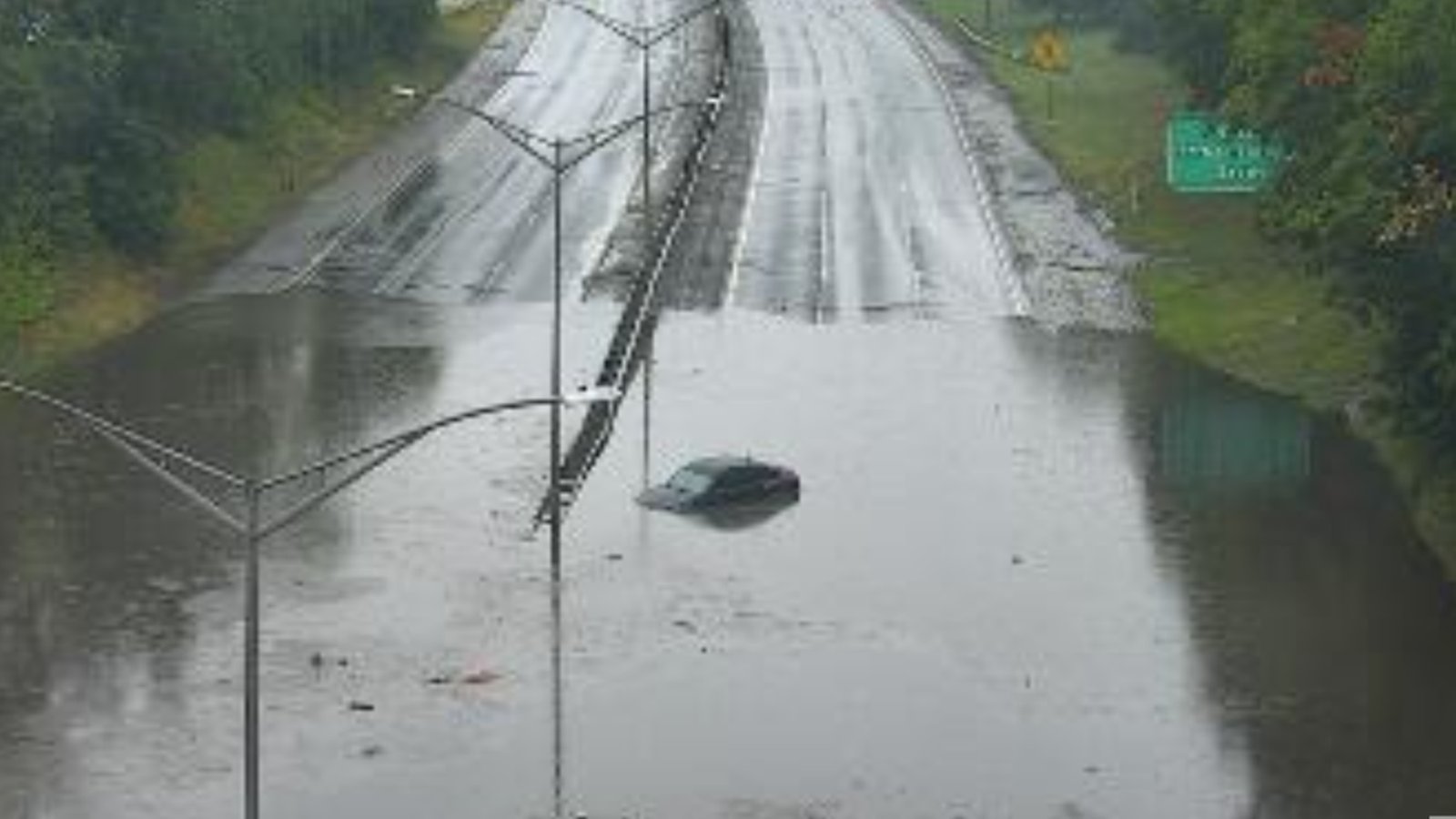
- Torrential rain caused severe flooding in NYC, with Queens hit the hardest.
- Governor Kathy Hochul declared a state of emergency on July 31, 2025.
- The LIRR and NYC subway systems faced widespread disruptions due to water damage.
- First responders rescued stranded commuters and drivers without reported injuries.
- The flooding exposed the city’s aging infrastructure and need for resilience.
Severe flooding caused by torrential rain brought New York City to a halt on July 31, 2025, leaving commuters stranded and neighborhoods submerged under water. Queens bore the brunt of the storm, with Governor Kathy Hochul declaring a state of emergency for New York City and surrounding counties. The deluge overwhelmed infrastructure, from subway systems to expressways, exposing vulnerabilities in the city’s preparedness for extreme weather events.
Queens: The Epicenter of the Flooding
Queens emerged as the hardest-hit borough during the storm. The Clearview Expressway turned into a virtual river, submerging vehicles, including a tractor-trailer. A driver was seen stranded on the roof of his car as first responders worked to rescue those trapped. Deputy Mayor Kaz Daughtry described the scene as “almost like a monsoon,” with torrential rain flooding the area in a matter of minutes. Fortunately, no injuries were reported, and crews managed to clear the expressway after the storm subsided.
The Long Island Rail Road (LIRR) also faced significant disruptions. Floodwaters blocked the Port Washington line near the Bayside station, forcing trains to stop. Passengers on board described the harrowing experience of waiting in the dark, with water nearly reaching the platform. “After it got into the second hour, I’m now getting hot, sweaty, and claustrophobic,” one commuter shared with CBS News. By Friday morning, limited service resumed after crews worked overnight to pump out water and repair the damage.
Subway Chaos and Infrastructure Challenges
The city’s subway system, a lifeline for millions, was not spared. Videos circulating on social media showed water cascading into stations, with commuters wading through murky floodwaters. At Brooklyn’s 7th Avenue station, passengers had to cling to gates to navigate the waterlogged platforms. At Grand Central Terminal, water poured from the ceiling, resembling indoor rainfall.
“What we’ve experienced is the challenge of having really old infrastructure,” said MTA Chairman Janno Lieber. He emphasized the need for the city to work with municipalities to better manage stormwater and prevent future disruptions. The flooding revealed the limitations of the subway system’s resilience, particularly when overwhelmed by runoff water from surrounding areas.
Emergency Declarations and Relief Efforts
Governor Kathy Hochul’s declaration of a state of emergency underscored the severity of the situation. The New York State Office of Emergency Management, led by acting director Peter Cichetti, pivoted from storm response to cleanup efforts on Friday morning. Crews focused on clearing flooded roads and monitoring rivers and streams, which continued to rise after the storm.
The city’s Office of Emergency Management also issued warnings to residents in basement apartments, urging them to evacuate to safer locations. In Queens, the FDNY conducted door-to-door checks in low-lying areas to ensure residents’ safety. Meanwhile, minor landslides on the Cross Island Parkway added to the list of challenges faced by emergency workers.
Economic and Social Impact
The economic toll of the flooding became evident as commuters struggled to find alternative transportation. One Bayside resident reported that an Uber ride from Penn Station during rush hour was priced at $300. Businesses and public institutions were also affected, with the Northern Boulevard public library reporting soaked carpets and water damage.
Rainfall totals ranged from 1 to 5 inches across the region, with Queens and Nassau County recording over 3 inches, according to the National Weather Service. The storm’s intensity served as a stark reminder of the need for climate-resilient infrastructure in one of the world’s busiest metropolitan areas.
As New York City recovers from this latest bout of extreme weather, officials and residents alike are left grappling with the realities of a changing climate and the urgent need for systemic improvements to prevent future disasters.