
Quick Read
- Shafali Verma was initially omitted from India’s ODI World Cup 2025 squad due to inconsistent ODI form.
- Pratika Rawal and Smriti Mandhana were selected as openers based on current performance.
- Rawal’s injury during the tournament led to Shafali’s recall for the knockout matches.
- In the final, Shafali scored her first ODI fifty in three years, helping India build a crucial opening partnership.
- Her performance highlighted resilience and readiness in elite sport.
Shafali Verma: The Rollercoaster of Selection and Redemption
For any athlete, the dream of playing in a World Cup is the summit, the moment that validates years of sweat and sacrifice. For Shafali Verma, the path to the ICC Women’s ODI World Cup 2025 was anything but straightforward. The announcement of India’s squad sent ripples across the cricketing world, not least because Shafali’s name was conspicuously absent. The selectors, led by Neetu David, emphasized continuity, opting for a largely settled team that had performed well in the England series, with Harmanpreet Kaur as captain and Smriti Mandhana as vice-captain. As Pratika Rawal and Mandhana were slated to open, Shafali’s exclusion seemed definitive—a tough blow for the young opener who had shown flashes of brilliance but had struggled for consistency in the ODI format over the past year.
The Selection Dilemma: Why Was Shafali Left Out?
Verma’s journey in the lead-up to the World Cup was marked by highs and lows. After a lean patch and being dropped from the senior squad following the New Zealand series in Ahmedabad, she worked her way back through India A, scoring decently in Australia. The chief selector was clear: “Shafali is currently playing in Australia for India A. She is in our system—it’s not that she’s not in our system,” Neetu David told Cricbuzz. The message was unmistakable: performance and experience would dictate opportunity, not past reputation.
The World Cup squad, announced in September, included Renuka Thakur making her return after injury, Amanjot Kaur recovering from a back niggle, and new faces like Pratika Rawal, Harleen Deol, and Jemimah Rodrigues. It was Rawal, with her stellar average since debuting against the West Indies, who edged out Shafali for the opener’s slot, reflecting the selectors’ preference for current form over experience.
Twists of Fate: Injury Opens the Door
Yet, as is often the case in sport, fate intervened. Pratika Rawal, the chosen opener, suffered a tournament-ending injury during the World Cup. Suddenly, the door that had seemed firmly shut was ajar. Shafali Verma was called up—not as a stopgap, but as someone who could potentially make a difference on the biggest stage. The pressure was enormous; she was no longer a squad member, but a player thrust into the spotlight at the most critical juncture.
Her semi-final appearance was underwhelming; dismissed for just 10 runs against Australia, questions swirled about whether she could rise to the occasion. The final against South Africa was set to be her ultimate test.
The Final: Redemption at Navi Mumbai
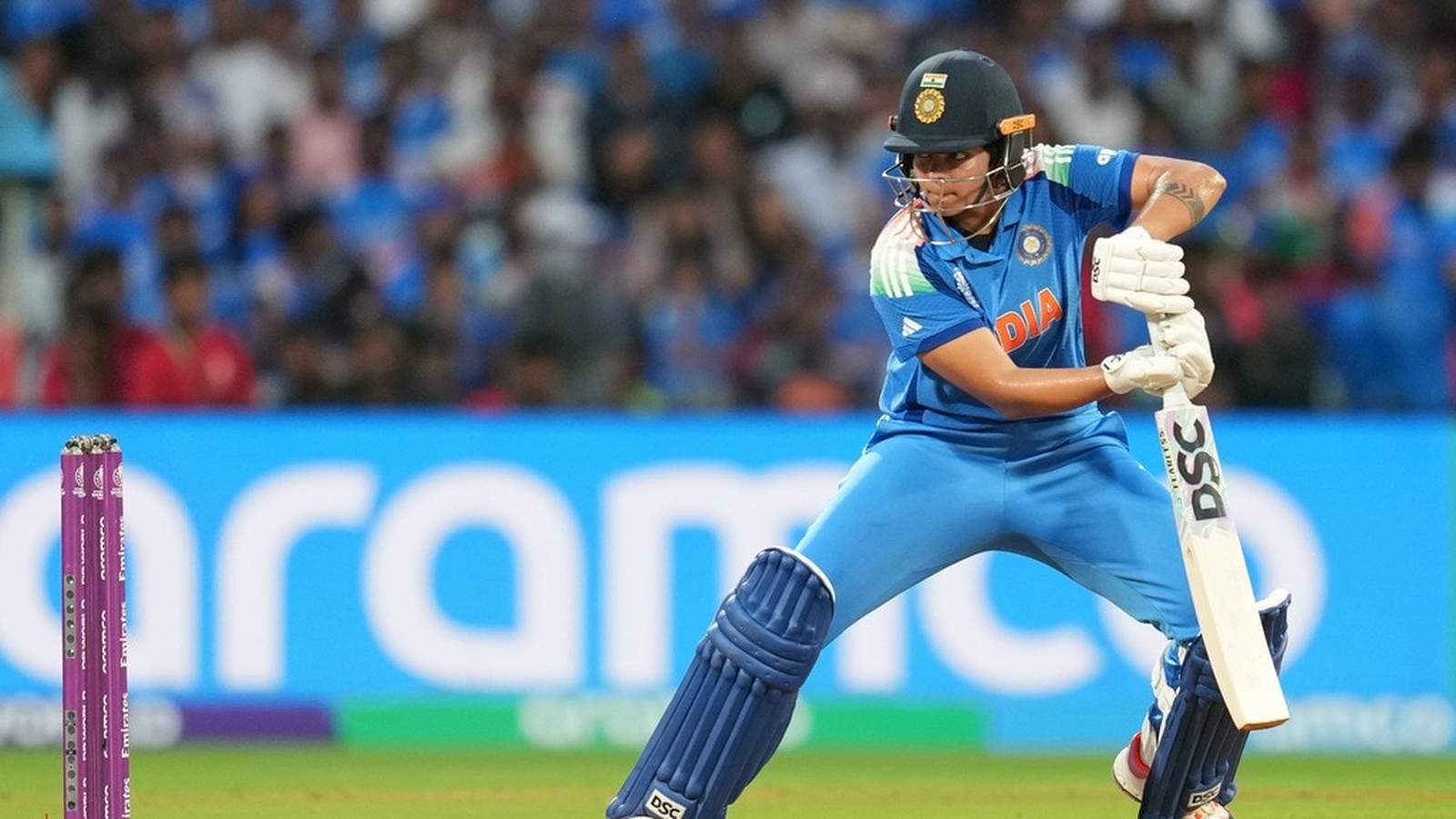
The atmosphere at Navi Mumbai was electric. India, facing South Africa, started cautiously—the first over was a maiden. But Shafali, undeterred, began to find her rhythm. A boundary in the second over, another in the third, and soon the scoreboard started to tick. Batting alongside Smriti Mandhana, she built a partnership that would become the backbone of India’s innings. Together, they put on a 104-run stand, with Mandhana breaking the record for most runs by an Indian batter in a single World Cup edition (India Today).
Shafali’s innings was not without drama. The South African spinners slowed the run rate, and for a moment, it seemed India might falter. But in the 15th over, Shafali broke the shackles with a towering six off De Klerk. Singles and quick running between wickets kept her moving toward a milestone she hadn’t reached in three years—a half-century in ODI cricket.
On 56, she got a lucky break as Anneke Bosch dropped her at deep mid-wicket. The conditions began to take their toll; cramps set in, and she needed medical attention. But, with a defiant six off Sune Luus, she signaled she was not done yet. Ultimately, in the 28th over, trying to accelerate, she was caught by Luus, falling short of what could have been a historic century in a final. Nevertheless, her 50 in 49 balls was a statement—the last time she had crossed the mark in ODIs was against Sri Lanka in July 2022.
What Shafali’s Journey Means for Indian Women’s Cricket
Shafali Verma’s story in the 2025 World Cup isn’t just about runs or selection; it’s about resilience, timing, and the unpredictable nature of sport. Her omission from the squad was, in the words of the selectors, a consequence of form and team balance. Her return, enabled by an injury, and subsequent performance in the final, is a testament to staying ready and seizing opportunity when it arises.
Her partnership with Mandhana, her ability to overcome physical discomfort, and her willingness to attack in pressure moments highlight why she remains a compelling figure in Indian cricket. For every player left out, Shafali’s arc is a reminder: the system may be ruthless, but it is also dynamic, rewarding persistence and preparation.
The Indian squad, with its blend of experience and new talent, has shown that selection is about the collective, not just individual brilliance. Yet, as the final proved, the individual can still have their moment—especially when least expected.
Shafali Verma’s World Cup journey, from disappointment to redemption, is a powerful illustration of the unpredictability that defines elite sport. Her story challenges the narrative that selection is the endgame; instead, it’s a chapter in a longer tale of grit, opportunity, and the enduring hope of every athlete who dares to dream.