
Quick Read
- Shafali Verma was initially left out of India’s 2025 World Cup squad but returned after Pratika Rawal’s injury.
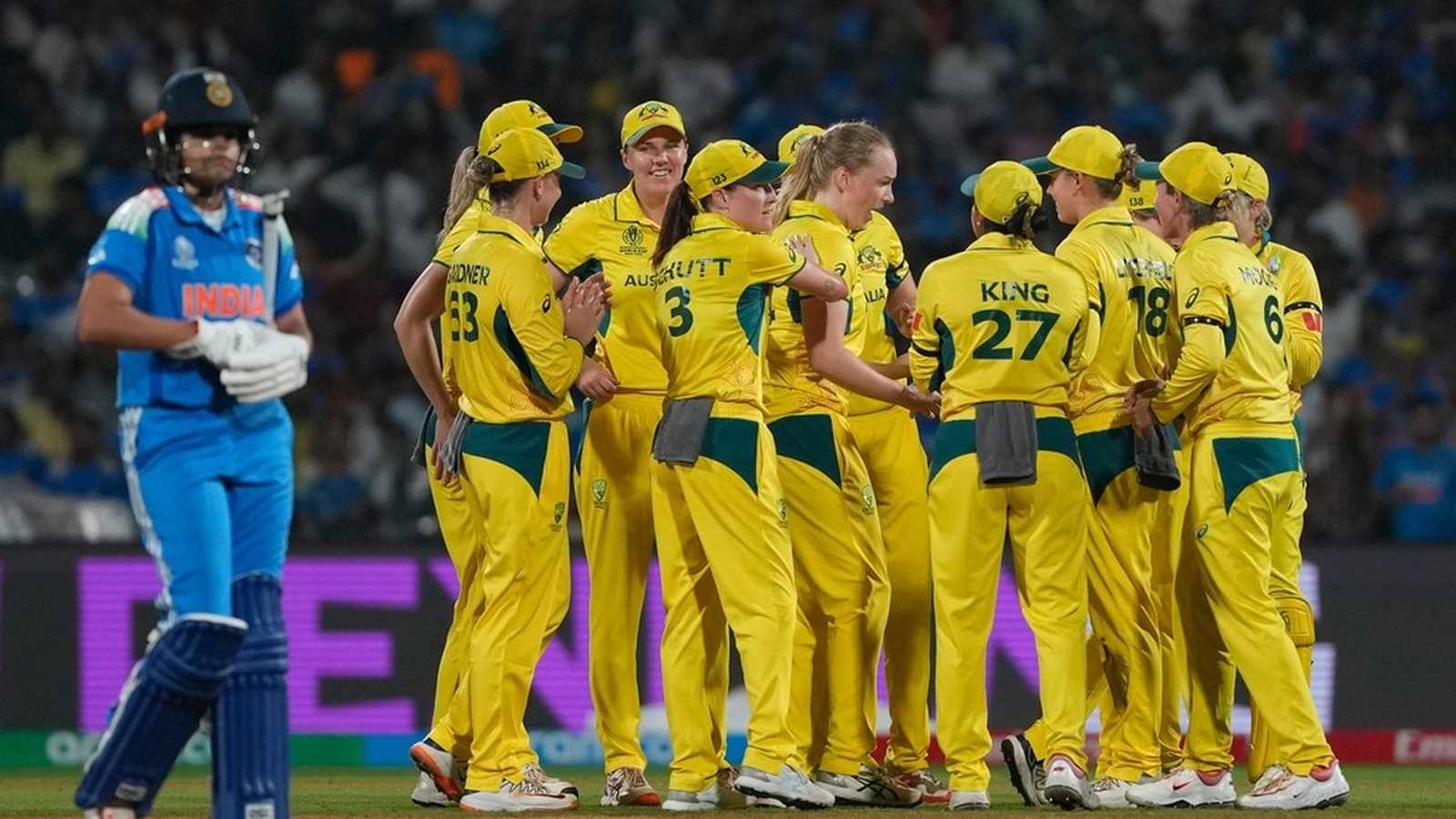
- She scored just 10 runs in the semi-final against Australia, dismissed LBW by Kim Garth.
- Despite strong domestic performances, Shafali’s ODI record remains modest, especially versus Australia.
- Selectors say she remains in their plans but must prove consistency to reclaim a regular spot.
Shafali Verma’s Unexpected Return: The Story Behind the Selection
Few players in Indian women’s cricket have generated as much buzz as Shafali Verma. Known for her aggressive batting and fearless attitude, she made her ODI debut at just 15. Fast-forward to the 2025 ICC Women’s ODI World Cup, and Shafali’s journey has been anything but straightforward. Initially omitted from India’s World Cup squad—a decision that surprised fans and pundits alike—she found herself thrust back into the spotlight after an injury sidelined opener Pratika Rawal during the tournament.
Chief selector Neetu David explained the situation to Cricbuzz: “Shafali is currently playing in Australia for India A. She is in our system—it’s not that she’s not in our system. We hope that being more in the system, the more she plays, the more experience she gains and she will serve India in the future.” The message was clear: despite her absence from the main squad, Shafali remained on the selectors’ radar, waiting for another chance to prove herself.
Her opportunity arrived abruptly, as India faced Australia in the high-stakes semi-final at Navi Mumbai. With the team chasing a record 339—an unprecedented target in women’s ODI history—the pressure was immense.
The Semi-Final: A Brief, Tense Innings
The Dr. DY Patil Sports Academy stadium pulsed with anticipation. India needed to pull off the highest successful chase ever seen in a women’s World Cup semi-final. Shafali was handed the opening slot, a move that signaled both hope and urgency from the team management.
She began confidently, picking up a single off Megan Schutt and then dispatching a leg-side delivery to the boundary. Moments later, she unleashed a crisp four through the covers, reminding everyone of her explosive potential. But cricket’s unpredictability quickly intervened. Kim Garth, Australia’s precise pacer, swung a delivery in sharply; Shafali, planted far forward, was trapped on the pads. The umpire’s finger went up. Shafali reviewed, but technology confirmed her fate: the ball would have crashed into leg stump. India lost not only an early wicket but also a crucial review.
Her final tally: 10 runs off five balls. As she trudged off, the hopes of millions seemed to waver, if only for a moment.
Selection Controversy and the Numbers Behind the Narrative
Shafali’s omission from the initial World Cup squad was a topic of debate. Despite solid performances in the Senior Women’s T20 Trophy—including a century against Himachal Pradesh—her ODI record remained modest. Against Australia, she has managed just 109 runs in six innings at an average of 18.16. Her last ODI appearance before the semi-final was back in 2024, after which she was dropped following a lean patch and India’s series against New Zealand.
The selectors, led by Neetu David, opted for consistency, choosing Pratika Rawal as Smriti Mandhana’s opening partner. Rawal, since her debut against West Indies, accumulated 703 runs at an average of 54.07 in 14 innings—numbers that are hard to ignore. “The team looks quite balanced to me,” captain Harmanpreet Kaur remarked, echoing the management’s faith in the current lineup.
Yet, when opportunity knocked—thanks to Rawal’s injury—it was Shafali who was called upon, underscoring the thin line between being overlooked and being indispensable in elite sport.
What Went Wrong for Shafali Verma?
There’s no doubt Shafali possesses extraordinary talent. Her attacking style has won matches and hearts. But in ODI cricket, consistency is king. The semi-final, with its pressure-cooker atmosphere and a daunting target, demanded composure and patience. Shafali’s natural game is to attack, to unsettle bowlers from ball one. But when the stakes are highest, even the most gifted players can falter.
Her brief innings was symptomatic of the larger challenge facing India’s batting order: building partnerships under pressure. After Shafali’s early exit, the run chase was left to seasoned hands like Smriti Mandhana and Jemimah Rodrigues. The team’s struggle to keep up with the required run rate highlighted the need for stable, experienced openers—something the selectors prioritized in this World Cup cycle.
For Shafali, the semi-final was a missed opportunity. It wasn’t just about a wicket; it was about making a statement, silencing critics, and reclaiming her spot. Cricket, however, is an unforgiving sport, where timing and momentum can change everything in a blink.
The Road Ahead: Will Shafali Verma Find Her Place?
What does the future hold for Shafali? The selectors have made it clear that she remains part of India’s plans. “We have our eyes on her as well. We hope that being more in the system, the more she plays, the more experience she gains and she will serve India in the future,” Neetu David told Cricbuzz.
Her recent performances for India A and in domestic cricket show flashes of her best. But with Rawal, Mandhana, and others staking strong claims, Shafali must find consistency and adapt her approach if she wants to cement her place in the ODI side.
The competition is fierce. Young talents like Harleen Deol and Jemimah Rodrigues are making their World Cup debuts, while all-rounders Amanjot Kaur and Arundhati Reddy add depth. The emergence of left-arm spinners Radha Yadav and Sree Charani, as well as pacer Kranti Goud, further strengthens the squad.
India’s women’s cricket team is at a crossroads. With the World Cup bringing both heartbreak and hope, players like Shafali Verma must navigate the unpredictable tides of selection, form, and opportunity.
Conclusion: The Thin Line Between Triumph and Heartbreak
Shafali Verma’s World Cup story is not one of finality, but of resilience and possibility. Her dramatic return, though brief and bittersweet, serves as a reminder of the fine margins in elite sport. In a game where one ball can change everything, Shafali’s journey reflects both the promise and the pressure that define the careers of young athletes.
As India looks to the future, the question lingers: will Shafali’s next chance bring the breakthrough she—and her supporters—are waiting for?
Shafali Verma’s experience in the World Cup semi-final highlights the volatility of cricket at the highest level. Her early dismissal, set against the backdrop of a record chase, underscores the importance of consistency, adaptability, and timing for players seeking to cement their places in a competitive squad. For Shafali, the journey is far from over; her talent is unquestionable, but her challenge now is to evolve, persist, and turn fleeting opportunities into lasting impact.