
Quick Read
- The 66th anniversary of the Sharpeville Massacre highlights a growing divide between state-led commemorations and the neglect of local historical sites.
- Young South Africans are increasingly critical of the gap between constitutional rights and the reality of persistent inequality and violence.
- Tensions exist between older generations who emphasize the sanctity of historical sacrifice and younger citizens who demand immediate improvements in service delivery and safety.
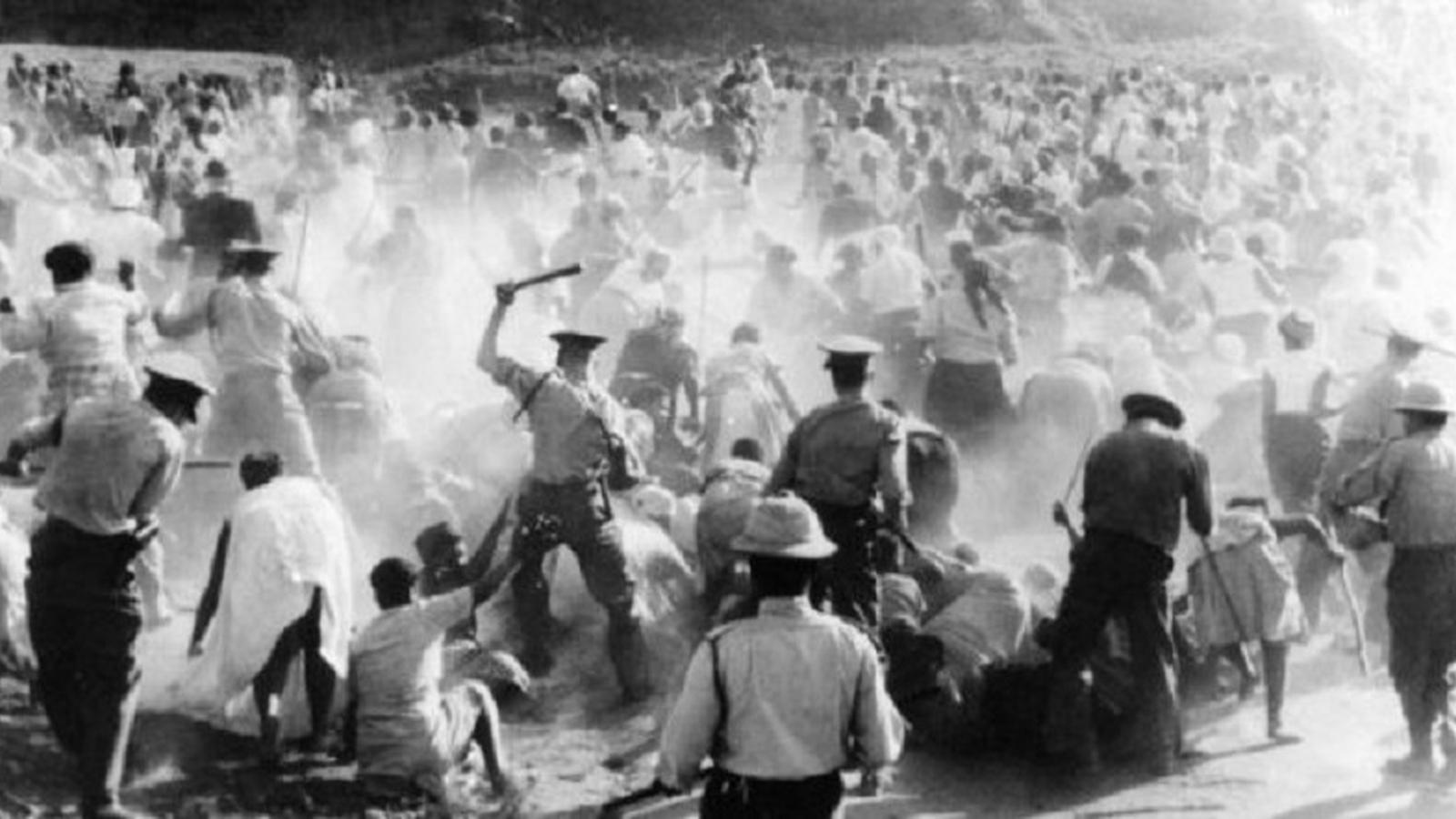
SHARPEVILLE (Azat TV) – Today marks the 66th anniversary of the Sharpeville Massacre, a defining moment in the anti-apartheid struggle that remains the cornerstone of South Africa’s Human Rights Day. While the nation reflects on the 69 lives lost on March 21, 1960, a visible divide has emerged between high-profile commemorations in administrative hubs and the deteriorating state of the memorial sites in Sharpeville itself. This disconnect has sparked mounting concern regarding the preservation of the township’s historical legacy and the political legitimacy of current heritage management.
The Disconnect in Commemoration
As government officials and political leaders gather at Constitutional Hill to reiterate sovereignty and democratic progress, the mood on the ground in Sharpeville tells a more complex story. While the Pan Africanist Congress (PAC) and other groups conducted wreath-laying ceremonies at the Phelindaba Cemetery and marched along Seeiso Street to retrace the steps of the 1960 anti-pass campaign, local residents expressed growing frustration. For many, the focus on grand national events in the capital has left the physical sites of the massacre in a state of neglect, casting doubt on the government’s commitment to honoring the specific sacrifices made by the community.
Human Rights: A Gap Between Law and Reality
For the youth of South Africa, the 30-year milestone of democracy is defined less by historical rhetoric and more by the persistent gap between constitutional promises and daily life. Interviews with students and residents reveal that while the Bill of Rights is recognized as a fundamental achievement, its application remains inconsistent. Issues such as gender-based violence (GBV), high crime rates, and failing infrastructure dominate the discourse, leading many to question the efficacy of current policies. Student leaders have noted that the lack of safety and the inability of the state to solve systemic cases suggest that for many, human rights are not yet a lived reality.
The Challenge of Intergenerational Memory
A significant concern for elders is the fading connection of the younger generation to the history of the struggle. There is a palpable anxiety that the specific triggers of the 1960 massacre are being lost to time, with some younger citizens admitting to a lack of awareness regarding the events that established the holiday. This historical amnesia is compounded by a perceived lack of respect for public infrastructure during protests, with older generations arguing that the misuse of rights often damages the very services the community relies upon. The struggle to reconcile these perspectives highlights the broader challenge of maintaining national unity in a post-apartheid society that is still grappling with deep-seated socioeconomic inequalities.
The growing tension between state-led memorialization and the lived reality of Sharpeville residents suggests that the political legitimacy of South Africa’s heritage project depends less on annual ceremonies and more on addressing the systemic neglect that currently defines the site of the nation’s most painful sacrifice.