

Quick Read
- MotoGP returned to Brazil for the first time in 20 years, but practice sessions were severely hampered by rain and flooding.
- Team leadership has expressed concerns over the Goiania circuit’s infrastructure and its impact on rider safety.
- Johann Zarco led the practice sessions, while several top contenders struggled to qualify for Q2 due to track conditions.
GOIANIA (Azat TV) – The long-awaited return of MotoGP to Brazil has been overshadowed by operational challenges, as torrential rain and localized flooding at the Goiania circuit forced a chaotic start to the weekend’s practice sessions. While the sport seeks to establish a permanent footprint in the region after a 20-year hiatus, the technical state of the track has become a focal point of concern among team leadership, raising questions about the venue’s long-term viability.
Weather Disruptions at the Brazilian Grand Prix
Friday’s practice sessions were heavily compromised by shifting weather conditions, with heavy rainfall significantly limiting the window for dry-track data collection. According to The Race, the initial half-hour of the session provided the only meaningful dry running for the MotoGP field before the circuit succumbed to the elements. The unpredictable conditions effectively turned the practice into a lottery, forcing teams to prioritize immediate pace over long-term bike development.
Team Leadership and Circuit Safety
Beyond the meteorological challenges, senior figures within the paddock have voiced concerns regarding the circuit’s infrastructure. The combination of standing water and technical irregularities on the track surface has prompted internal criticism, with team managers questioning whether the venue was adequately prepared for the stresses of modern MotoGP machinery. These concerns are not merely academic; they directly impact rider safety and the integrity of the competitive field, as demonstrated by several high-profile incidents during the practice runs.
Competitive Impact on Q2 Qualification
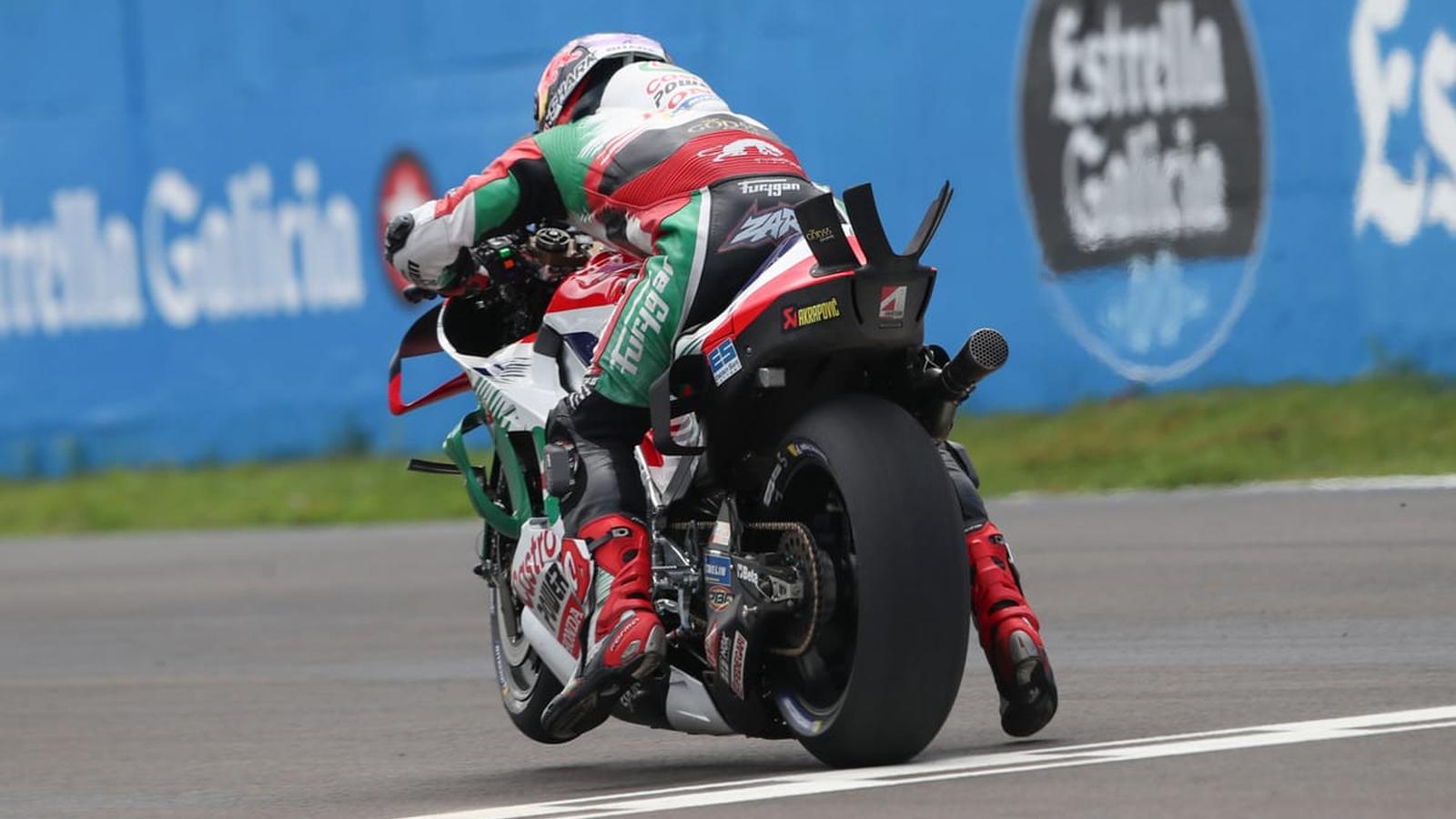
The erratic nature of the sessions reshuffled the order, allowing several riders to secure direct entry into Q2 under challenging circumstances. Johann Zarco of LCR Honda set the pace with a 1m21.257s lap, leading a top-10 list that includes Marc Marquez, Yamaha rookie Toprak Razgatlioglu, and Jorge Martin. Conversely, several favorites, including Jack Miller and home-favorite Diogo Moreira, were sidelined by crashes that were exacerbated by the track’s treacherous conditions. The failure of riders such as Marco Bezzecchi to adapt to the limited dry window further highlights the premium placed on track availability in such a high-stakes environment.
The chaotic start to the Brazilian Grand Prix illustrates the tension between the commercial mandate to expand into new markets and the logistical reality of ensuring circuit standards meet the safety requirements of a 2026 MotoGP grid.