
Quick Read
- India’s Union Budget 2026 announced a new Varanasi–Siliguri high-speed rail corridor on February 1, 2026.
- The new rail corridor is one of seven nationwide projects aimed at transforming India’s transport network and boosting economic integration.
- Union Home Minister Amit Shah held a significant political rally in Siliguri on January 31, 2026.
- Shah’s visit was part of a two-day political outreach in West Bengal, focusing on mass mobilization ahead of state Assembly elections.
- Siliguri is strategically important as a gateway to India’s northeast and a trade hub for neighboring countries.
SILIGURI (Azat TV) – The city of Siliguri, a key gateway in West Bengal, has recently emerged as a focal point in India’s national discourse, following the announcement of a new high-speed rail corridor connecting it to Varanasi in the Union Budget 2026 and a significant political rally led by Union Home Minister Amit Shah days prior. These developments underscore Siliguri’s growing strategic and economic importance, signaling a renewed focus on infrastructure and political engagement in the region.
On February 1, 2026, Finance Minister Nirmala Sitharaman unveiled seven new high-speed rail corridors as part of the Union Budget, aimed at transforming the nation’s transport network. Among these ambitious projects is the Varanasi–Siliguri corridor, a move expected to drastically improve connectivity between the Indo-Gangetic plains and India’s northeastern gateway. Officials state that these high-speed corridors are designed to reduce travel times significantly, boost commerce, and deepen socioeconomic linkages across various states and economic zones, including the tech hubs of Karnataka and Telangana, and the industrial belt of Maharashtra.
High-Speed Rail to Boost Siliguri’s Connectivity
The inclusion of the Varanasi–Siliguri route in the national high-speed rail initiative highlights the government’s commitment to modern infrastructure development in the eastern and northern regions of India. While detailed cost estimates and execution timelines were not provided by Finance Minister Sitharaman during her budget speech, she indicated that the government plans to collaborate with international partners and private stakeholders for funding and construction. This project, alongside others like Mumbai–Pune and Hyderabad–Bengaluru, is poised to redefine travel standards, bringing inter-city journeys closer to international benchmarks and supporting India’s broader economic competitiveness.
The successful execution of such capital-intensive projects, which require extensive land acquisition and advanced technological capabilities, will be crucial. The government’s experience with the ongoing Mumbai–Ahmedabad corridor, despite facing delays, is expected to influence investor confidence in this expanded network. For Siliguri, this new corridor promises not just faster travel, but enhanced economic integration and accessibility to major national hubs, potentially unlocking new opportunities for trade and tourism.
Union Home Minister Amit Shah’s Siliguri Visit
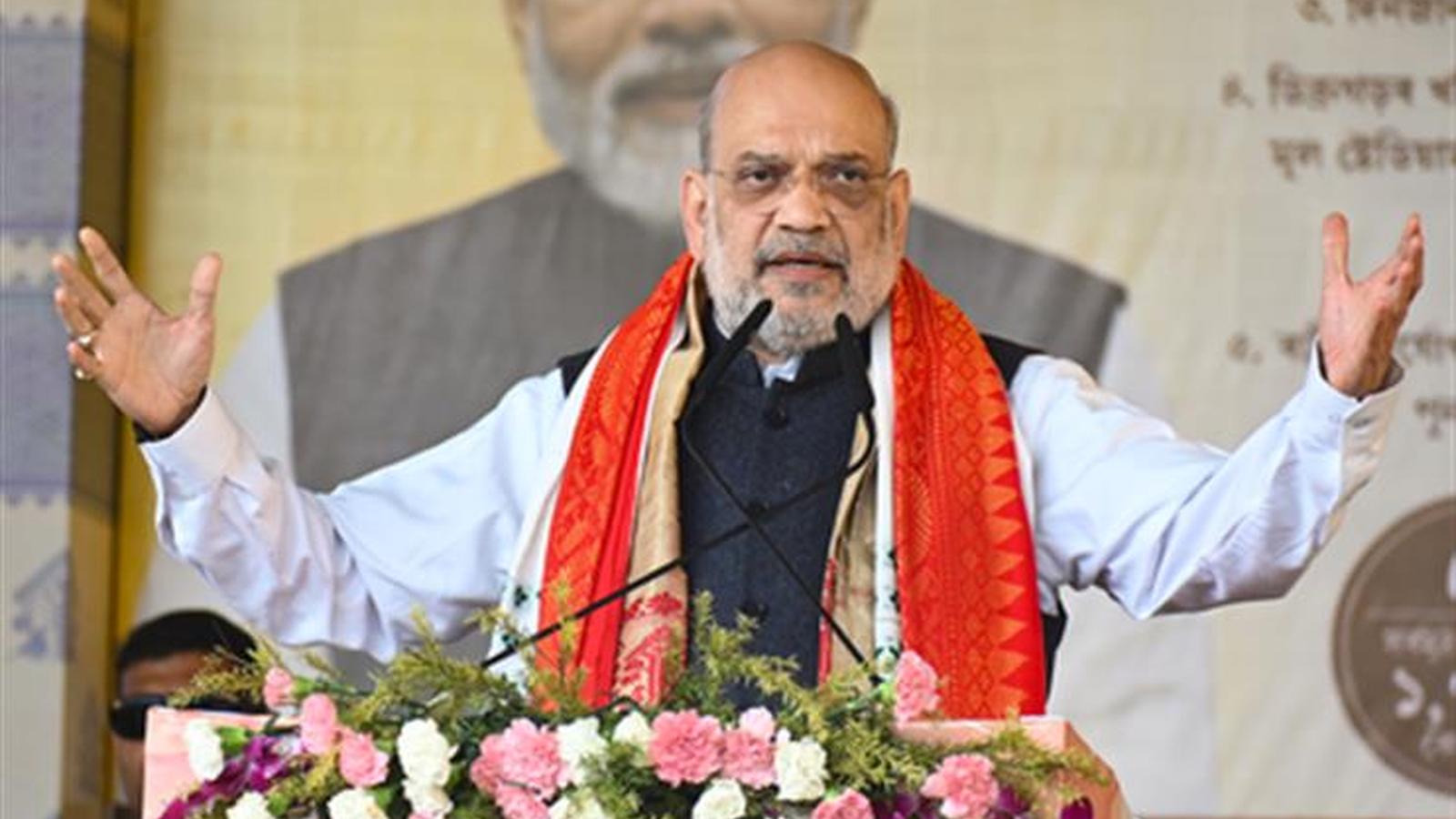
Just before the budget announcement, on Saturday, January 31, 2026, Union Home Minister Amit Shah held a high-profile public meeting in Siliguri. Accompanied by West Bengal BJP President Samik Bhattacharya and Leader of the Opposition in the West Bengal Assembly Suvendu Adhikari, the rally was part of a broader two-day political outreach program in West Bengal. The event, held at the Gosainpur Airport Authority ground in Bagdogra, Siliguri, emphasized the party’s focus on mass outreach ahead of the upcoming state Assembly elections.
Shah’s visit included addressing two public rallies-cum-party workers’ conferences, with the Siliguri event specifically targeting the North Bengal region. Such high-level political engagement from a prominent national figure like Amit Shah underscores the political significance of Siliguri and its surrounding areas, particularly in the run-up to state elections. The visit aimed to mobilize party workers and connect with voters, highlighting the importance political parties place on regional strongholds like Siliguri.
Siliguri: A Strategic Crossroads
Siliguri’s recent prominence, marked by both a major infrastructure pledge and a significant political event, reflects its unique geographical and strategic position. Situated in the narrow Siliguri Corridor, also known as the ‘Chicken’s Neck,’ the city is a vital link connecting mainland India to its northeastern states. It also serves as a crucial trade and transit hub for neighboring countries like Nepal, Bhutan, and Bangladesh.
The dual focus on infrastructure development and political mobilization indicates a concerted effort to strengthen Siliguri’s role as an economic engine and a politically engaged region. The high-speed rail project, if successfully implemented, could transform Siliguri into an even more formidable logistical and commercial center, while sustained political attention signals its importance in the broader electoral landscape of West Bengal.
These recent events suggest that Siliguri is not merely a transit point but a burgeoning center of national interest, poised for significant development and continued political scrutiny as India looks to enhance regional connectivity and consolidate political influence.