
Quick Read
- Singapore Airlines faces ‘highway robbery’ accusations for soaring fares amid Middle East crisis.
- The airline canceled 16 Singapore-Dubai flights between February 28 and March 7 due to regional conflict.
- Singapore Airlines’ stock plunged by approximately 4.5% on March 2, reflecting broader aviation industry losses.
- Escalating US-Iran tensions led to closure of key Middle Eastern airspaces and airports, causing widespread disruptions.
- Crude oil prices surged to their highest since January 2025, significantly impacting airline operational costs.
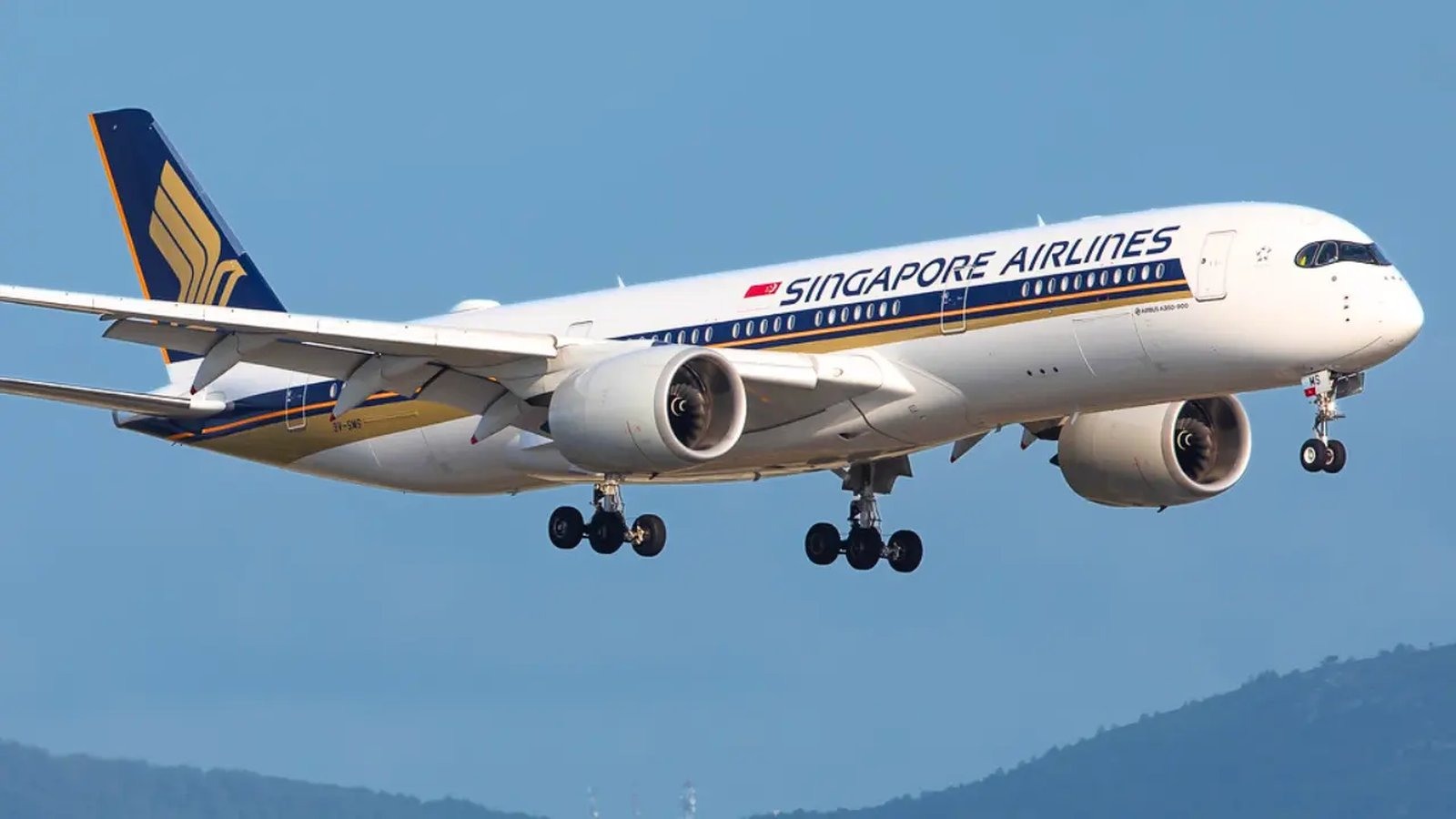
YEREVAN (Azat TV) – Singapore Airlines is currently facing accusations of price gouging and “highway robbery” amidst widespread flight cancellations and travel disruptions caused by the escalating US-Iran conflict in the Middle East. While the airline, like many global carriers, has been forced to cancel numerous flights and has seen its stock value plummet, reports indicate a significant surge in airfares, leaving stranded travelers in a dire situation and drawing sharp criticism.
On Monday, March 2, Singapore Airlines’ stock dropped by approximately 4.5% on Asian markets, reflecting a broader downturn that saw other major Asian airlines like Cathay Pacific, Japan Airlines, and Qantas Airways also experiencing significant losses, some plunging up to 12% in intraday deals. This financial hit comes as the airline confirmed the cancellation of 16 flights on its Singapore-Dubai route between February 28 and March 7, according to a statement reported by Fortune.
Middle East Conflict Triggers Widespread Flight Cancellations
The intensifying conflict between the US and Iran has plunged global air travel into its worst chaos since the COVID-19 pandemic. Key Middle Eastern airspaces and major international hubs, including Dubai, Doha, and Abu Dhabi, have been shut down or severely restricted following retaliatory strikes and heightened tensions. This has led to thousands of flights being canceled or rerouted across the globe. On March 2 alone, 1,239 flights were canceled, building on nearly 6,000 cancellations over the preceding weekend, as reported by FlightAware.
Airlines worldwide, including Emirates, Etihad, Qatar Airways, Air India, and European carriers like Turkish Airlines and Air France, have suspended services to and from the region. Singapore Airlines and its budget arm Scoot canceled six flight routes in the region until the end of Sunday, March 2, according to local media. The prolonged closure of critical airspace and airports has left crews and pilots scattered globally, further complicating the resumption of services even when airspace reopens, noted Henry Harteveldt, an airline industry analyst with Atmosphere Research Group.
Singapore Airlines Faces Accusations of Fare Gouging
Amidst this unfolding crisis, Singapore Airlines has been specifically accused of exploiting the situation by dramatically increasing ticket prices. Reports from publications like The Australian highlight concerns from travelers stranded by the cancellations, who claim that the airline is demanding exorbitant fares for alternative flights. These accusations of “highway robbery” are fueling public outrage, as thousands of people find themselves desperate for passage out of the conflict zone or to their intended destinations, with limited options and soaring costs.
The criticism underscores a significant reputational challenge for the airline, as it navigates both the operational and financial pressures of the crisis while facing public scrutiny over its pricing strategies during a period of widespread distress for travelers.
Aviation Industry Grapples with Surging Oil Prices and Operational Costs
The Middle East conflict has delivered a dual blow to the aviation industry. Beyond airspace disruptions, crude oil prices have surged to their highest levels since January 2025. Brent crude futures traded about 5% higher at $76 per barrel on March 2, after earlier rising by as much as 13% to $80-$82.37 per barrel, according to Livemint and Fortune. Fuel constitutes a significant portion of airline operating costs, and this sustained spike in oil prices directly compresses profit margins. Harshal Dasani of INVasset PMS noted that the sector’s risk profile rises sharply with potential airspace disruptions, higher insurance premiums, and weaker discretionary travel demand if tensions persist.
The confluence of operational constraints, escalating fuel costs, and public accusations of price gouging presents a complex challenge for Singapore Airlines and the broader aviation sector. While airlines face legitimate financial pressures from the geopolitical crisis, the immediate focus on accusations of exploiting stranded travelers highlights the critical balance carriers must strike between profitability and public trust during times of global instability.