
Quick Read
- The death toll from a winter storm and freezing temperatures across the United States has risen to 30, authorities say.
- Snow and cold have disrupted transportation networks nationwide, with road closures and travel disruptions reported across multiple regions.
- Emergency services are coordinating response efforts as crews work to restore mobility and aid affected communities.
- Forecasters warn the severe weather could persist, underscoring ongoing safety and preparedness advisories for residents.
A brutal winter storm and accompanying cold snap have surged across a broad swath of the United States, driving the death toll to 30 and hampering daily life for millions. The latest figures, compiled by local and state authorities, reflect a multi-jurisdictional crisis in which fatalities have occurred in diverse settings as conditions worsened over several days. Officials caution that the count could rise further if the weather persists and if hospitals and emergency services remain strained in the coming days.
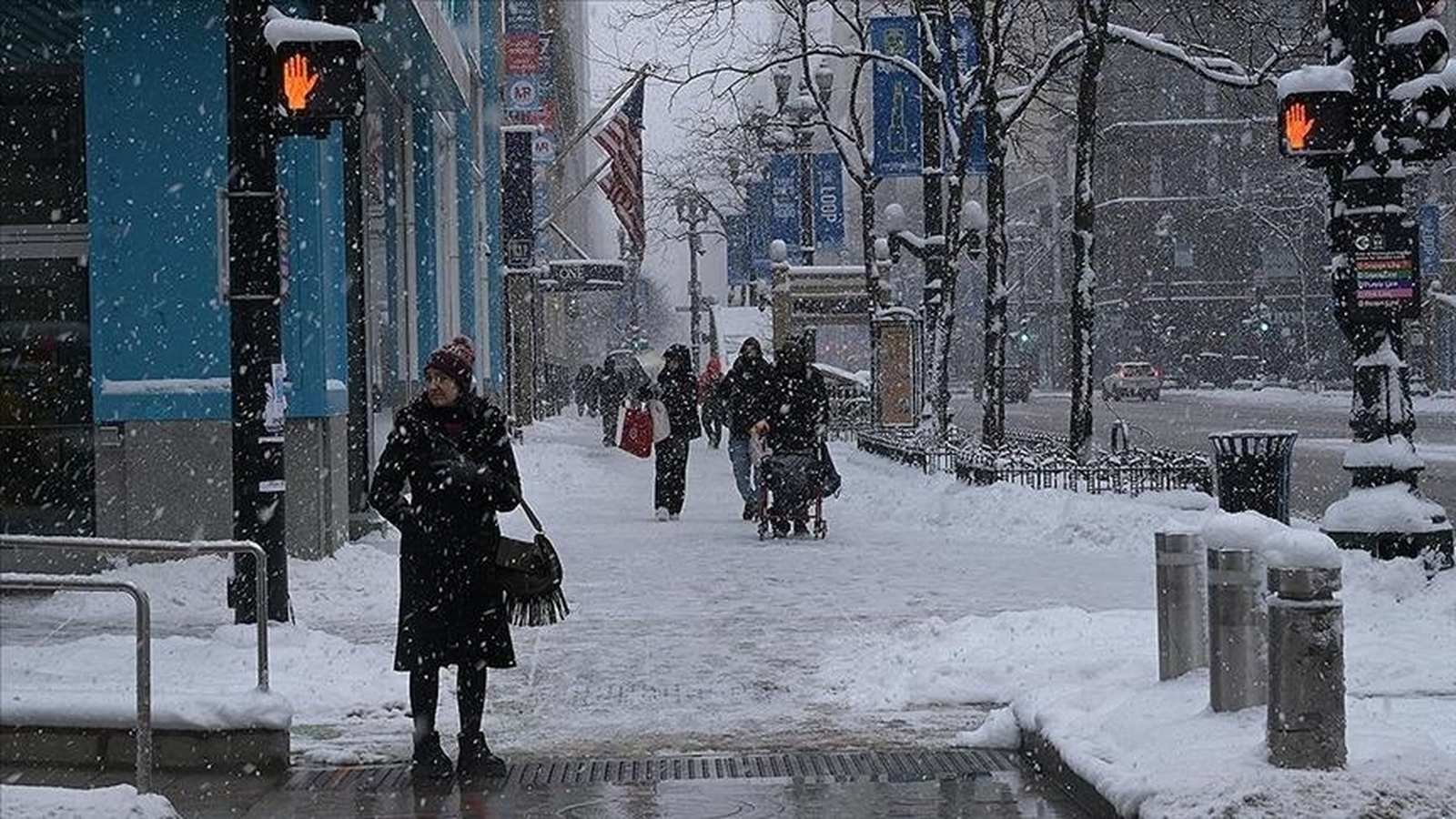
The storm has unleashed heavy snowfall and uncomfortable low temperatures, creating treacherous travel conditions and widespread disruptions to transportation infrastructure. Across affected states, roadways have been closed or restricted due to accidents, storms, and the risk of slippery surfaces. Many communities have reported flight cancellations or delays at major airports, while rail services facing weather-related disruptions have limited schedules. The combination of reduced mobility and harsh conditions has complicated relief efforts, but authorities emphasize that rapid response remains a priority as crews clear routes and restore power where possible.
Beyond the immediate danger to travelers, the cold and storm have stressed essential services and infrastructure. Power outages, alternate heating needs, and the potential for outages in rural or underserved areas have prompted local authorities to set up shelters and warming centers in some communities, particularly where residents lack reliable heat or interior shelter. Community leaders and nonprofit organizations have mobilized to provide meals, shelter, and safety information, while medical facilities have heightened vigilance for weather- and exposure-related risks among vulnerable populations including the elderly and those with chronic illnesses.
Experts note that winter storms of this scale test both the physical and logistical resilience of a nation. When temperatures plunge and snow accumulates, even regions with robust emergency practices can face strain on road clearance, power restoration, healthcare access, and supply chains. The weather pattern driving the storm involves a complex interaction of air masses, which can produce rapid shifts in conditions and create unexpected pockets of severe cold or heavy snowfall. Forecasters caution that while some regions may begin to see improvement, others could remain under warnings for several more days, urging residents to monitor local advisories and take appropriate precautions.
On the ground, officials stress the importance of safety and preparedness. People are urged to limit discretionary travel, keep emergency kits in vehicles and homes, and check on neighbors who may be vulnerable to exposure or isolation during extreme weather. Health experts remind the public that cold exposure can lead to severe medical issues, including hypothermia and frostbite, and advise seeking immediate care if symptoms appear. As communities focus on recovery, the broader significance of the event emphasizes the need for ongoing investments in weather preparedness, infrastructure resilience, and public communication strategies that can mitigate harm in future storms.
Journalists covering the evolving situation will continue to corroborate information from local authorities, public health officials, and meteorologists to provide readers with clear, reliable updates. The aim is to inform the public without sensationalism, highlight safe practices during severe weather, and document the range of impacts—from fatal outcomes to everyday disruptions—that define life during a major winter storm in the United States.
As the weather pattern progresses, residents and policymakers alike will be watching forecasts for signs of improvement or renewed hazards. The episode underscores the interconnectedness of weather-related risks—how a single system can affect transportation, health services, energy supplies, and the social fabric of communities across a diverse and expansive country. In the days ahead, authorities are likely to release more details on affected regions, update safety guidance, and assess which areas may require additional support or targeted assistance to navigate the ongoing winter challenge.
FINAL ANALYSIS: As the country endures a multi-day winter storm, this episode highlights the vulnerabilities of communities to extreme weather and the need for proactive, coordinated resilience measures that protect lives in future events.