


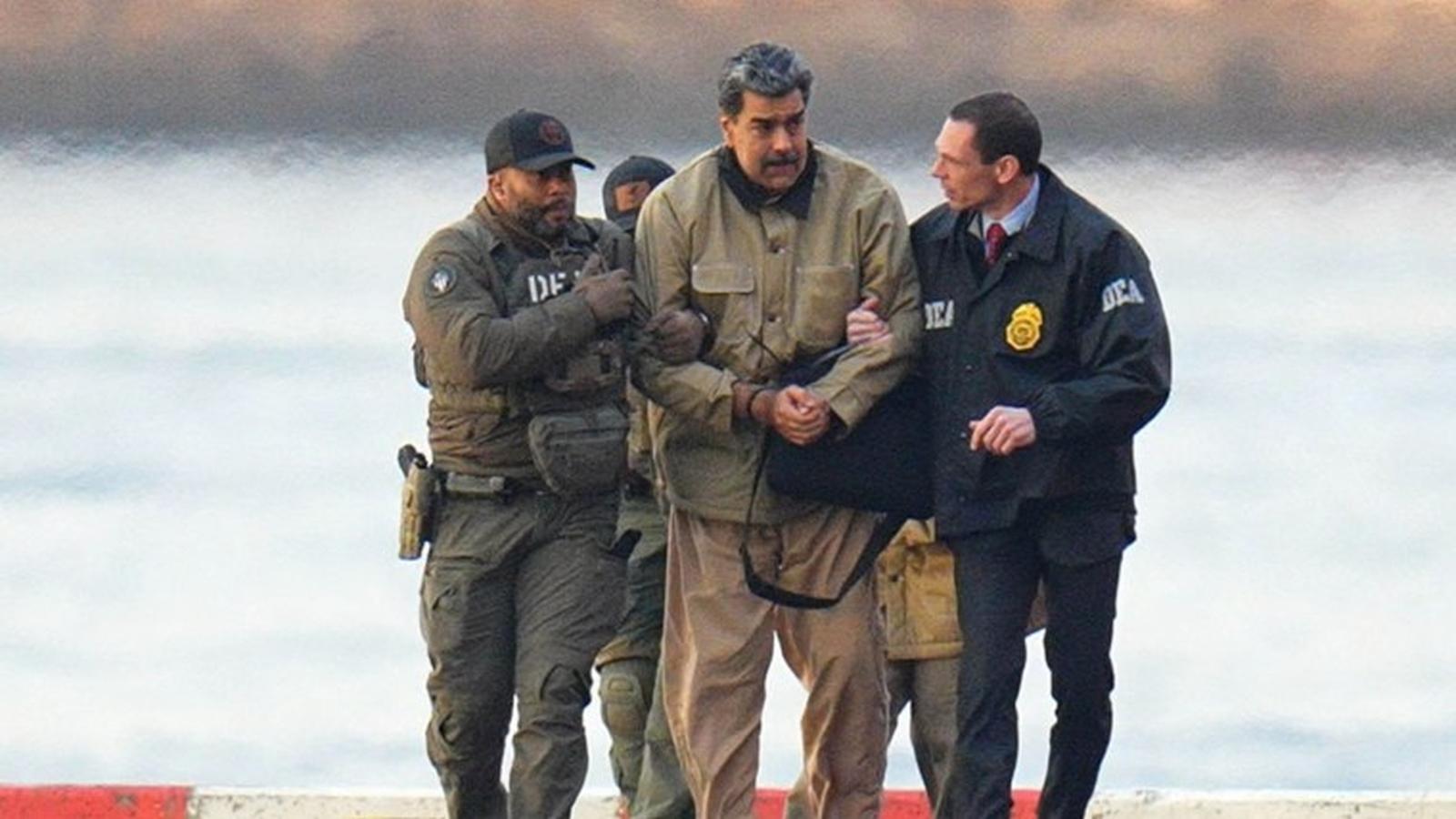
The integrity of democratic institutions faces a new type of threat as the Department of Justice announced the arrest of Master Sergeant Gannon Ken Van Dyke, a U.S. special forces soldier charged with using classified intelligence to profit from the covert operation that led to the capture of Venezuelan leader Nicolás Maduro. The indictment, unsealed Thursday, alleges that Van Dyke wagered over $33,000 on prediction market platform Polymarket, netting more than $400,000 in profits by betting that the authoritarian president would be removed from power in early 2026.
Institutional Accountability and the Insider Risk
The case underscores the vulnerability of sensitive geopolitical operations to individual greed. Van Dyke, who participated in the planning and execution of the mission, allegedly placed 13 bets between December 27 and January 2. Prosecutors argue that this behavior constitutes a severe breach of public trust, as the soldier leveraged his position within the U.S. military to manipulate financial outcomes. FBI Director Kash Patel emphasized that the arrest serves as a reminder that no individual, regardless of their role in national security, is above the law.
The Intersection of Technology and Governance
This incident arrives at a time when prediction markets are coming under increased regulatory scrutiny. While proponents argue that such platforms provide valuable forecasting data, critics point to the inherent risks of insider trading in political events. Polymarket has stated that the arrest validates their enhanced market integrity rules, yet the ease with which a soldier could attempt to conceal his identity—including a request to delete his account after the mission—highlights the challenges of oversight in the digital age. For observers in emerging democracies like Armenia, where the separation of military service from personal financial gain remains a cornerstone of institutional stability, the Maduro case serves as a stark warning against the normalization of corruption within security apparatuses.
Preserving Democratic Norms
The capture of Maduro, who currently faces federal drug-trafficking charges in New York, represents a critical moment for the rule of law in the Western Hemisphere. However, the scandal surrounding the operation suggests that the fight against authoritarianism is not merely a matter of regime change but also a continuous effort to safeguard the ethical standards of the institutions tasked with defending democracy. As the legal proceedings against Van Dyke move forward, the focus remains on ensuring that the pursuit of justice is not compromised by the very individuals entrusted to uphold it. Legal challenges continue to surround the Maduro case, reflecting the broader complexities of international accountability.