
Quick Read
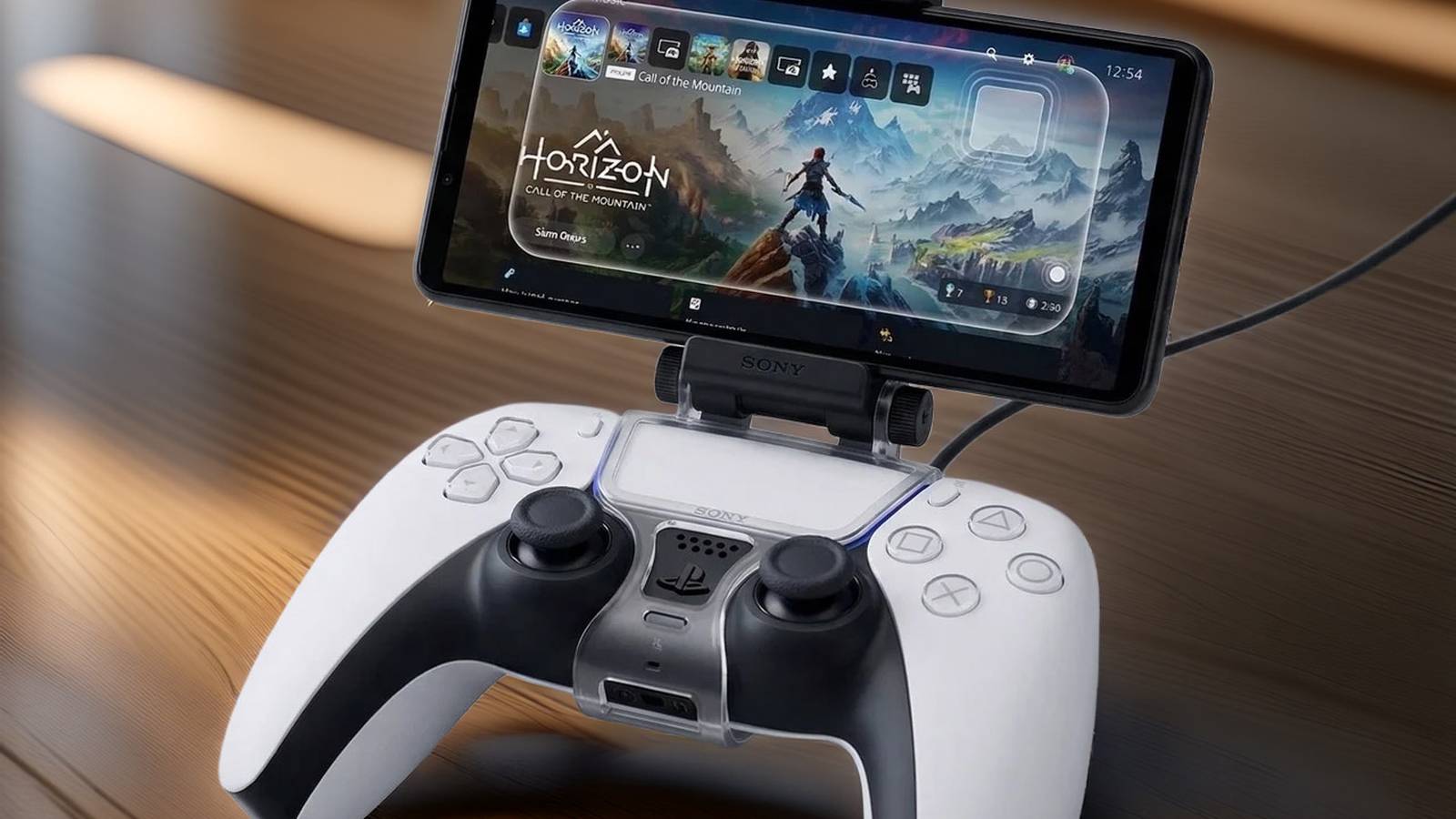
- Sony has filed a patent for a magnetic mounting system that connects smartphones to DualSense controllers.
- The system allows the smartphone to act as an active input device, utilizing touch, motion sensors, and cameras.
- The integration is designed to offload UI elements and secondary controls to the phone screen to enhance main-screen gameplay.
A recently uncovered patent from Sony signals a significant shift in how players may interact with their PlayStation consoles, detailing a system that magnetically couples a smartphone directly to a DualSense controller. Unlike previous third-party mounting clips that merely held a screen in place, this design allows the console to recognize the phone as an active peripheral, feeding real-time data from the device’s touchscreen, camera, and motion sensors directly into the game engine.
Transforming Mobile Hardware into Active Gaming Inputs
The patent outlines a seamless hardware handshake where the connected smartphone acts as an extension of the primary display. By utilizing the phone’s processing power and sensor array, developers could offload secondary gameplay tasks to the mobile screen. For instance, players could manage gear inventories, access interactive maps, or adjust complex menu settings through simple touch gestures, keeping the primary television screen dedicated entirely to the core action. The integration goes beyond simple display mirroring; the system aims to utilize the phone’s internal gyroscopes and accelerometers for precise steering in racing titles or intuitive aiming mechanics in shooters.
Leveraging Existing Consumer Technology
Sony’s approach specifically targets the ubiquity of modern smartphones, aiming to enhance the PlayStation ecosystem without requiring users to purchase specialized, proprietary hardware. The documentation suggests that by using magnetic coupling, the controller and phone function as a single, compact handheld unit. This development addresses historical pain points from previous experiments, where connection latency and processing limitations hindered the feasibility of dual-device gaming. With contemporary smartphone CPUs and wireless connectivity speeds, the technical barrier for such low-latency input streams has been significantly lowered.
Developer Adoption and Future Gameplay Possibilities
The success of this hardware concept hinges on industry adoption. While the hardware design offers substantial flexibility, its impact on the gaming landscape depends on whether developers choose to build mechanics that specifically leverage this dual-screen configuration. From facial scanning for in-game avatars via the phone’s camera to complex puzzle-solving that responds to the tilt of the combined device, the potential for non-traditional input methods is vast. As the gaming industry continues to evolve, this patent highlights a strategic push to bridge the gap between console power and mobile convenience.
The patent indicates that Sony is shifting its focus toward a hybrid interface strategy, likely aiming to compete with specialized handhelds by utilizing the high-performance hardware already present in the pockets of its existing user base, rather than forcing consumers to invest in new, standalone portable gaming devices.