
Quick Read
- The Sears Christmas Wish Book was a beloved holiday catalogue in Canada for 65 years.
- Families, like the O’Connors, built annual rituals around its arrival, sparking excitement and anticipation.
- Children used the catalogue to choose gifts, often working within strict budgets.
- Sears Canada closed in 2018, ending the Wish Book tradition.
- Nostalgia for the catalogue highlights the lasting power of shared family rituals.
How a Catalogue Became a Christmas Tradition
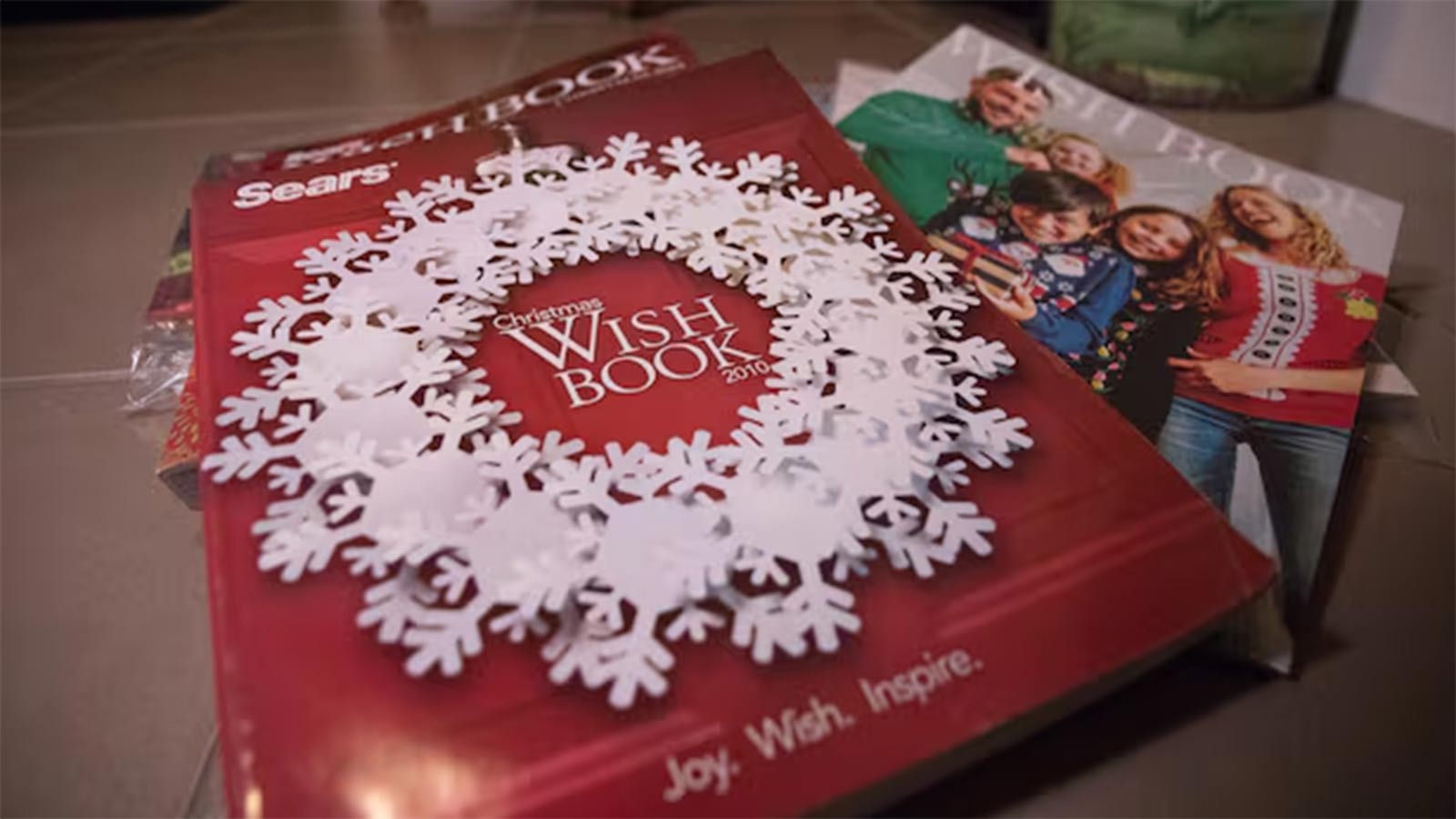
For millions of Canadians, the arrival of the Sears Christmas Wish Book was more than just the start of holiday shopping—it was a family ritual, a cultural moment, and, for many, the spark that ignited childhood dreams. In a letter published by SooToday, Frank O’Connor from Algoma, Ontario, takes us back to a time before digital wish lists and online ads, when the printed pages of a catalogue could transform an ordinary fall day into something magical.
Imagine the scene: late autumn, a fresh blanket of snow outside, and the trusted Canada Post delivering the year’s most anticipated package. In the O’Connor household, this event was met with “pandemonium.” The Wish Book wasn’t just a catalogue—it was the Holy Grail for children, packed with dazzling images of toys, games, and the promise of adventure. Its pages, thick with possibility, quickly became the most coveted reading material in the home.
Family Rituals and Dream-Making in the 1970s
Frank’s recollections paint a vivid picture of a simpler era. In the 1970s, each child in the O’Connor family was given a $25 budget—a modest sum by today’s standards, but one that could stretch surprisingly far back then. For Frank, that meant usually picking out three cherished items. One year, it was a motorized airplane on a string, designed to swoop around you as you spun—a toy both thrilling and emblematic of the inventive spirit of the times. Another year, a snow glider topped the list, perfect for conquering the treacherous Baldy Mountain Bluffs near their home in Gros Cap.
The Wish Book’s pages didn’t stay pristine for long. As weeks turned to months, they grew worn, dog-eared, and sometimes torn, testament to their constant use. Each turn of the page represented the hope and anticipation that defined the lead-up to Christmas—a period when imagination took flight and the act of wishing itself became a cherished family tradition.
The Sears Wish Book: A Piece of Social History
The Sears Christmas Wish Book wasn’t just a catalogue—it was a cultural touchstone. With 97 years of history in the United States and 65 years in Canada, its impact stretched far beyond individual households. Scholars have examined how catalogues like Sears shaped society and social norms, particularly in an era before the internet and smartphones. Back then, children didn’t have algorithm-driven recommendations or endless online options. Instead, the artfully designed pages of the Wish Book offered a curated, tangible window into the world of consumer possibility.
The closure of Sears Canada in 2018 marked the end of an era. The retail giant’s bankruptcy and the shuttering of its massive stores left behind more than empty buildings—it left a void in the collective memory of communities across the country. For those who grew up with the Wish Book, its absence is keenly felt, especially during the holidays.
The Enduring Power of Nostalgia
Frank O’Connor’s letter is, at its heart, a meditation on nostalgia. It’s a gentle reminder that, while technology has radically transformed the way we shop and dream, certain rituals retain their emotional resonance. Today, we might browse Pinterest on an iPad instead of flipping through a catalogue. Yet the act of wishing—of imagining a different future, of sharing hopes with family—remains as vital as ever.
On a snowy winter morning, Frank finds himself longing for the tactile experience of the old Wish Book, its battered pages a symbol of years gone by. This nostalgia isn’t just about the objects or the shopping; it’s about the connections, the shared anticipation, and the sense of wonder that defined those childhood Decembers.
The Legacy Sears Leaves Behind
The story of the Sears Christmas Wish Book isn’t unique to one family. Across Canada, generations of children pored over its pages, circling their favourites, negotiating with siblings, and dreaming about what might appear under the tree. The catalogue was a democratic space—every child, regardless of background, could participate in the fantasy of Christmas morning.
Even as retail has moved online and shopping habits have shifted, the emotional power of those rituals endures. The Wish Book’s legacy is found not just in the toys and gadgets it advertised, but in the sense of possibility it brought to so many lives.
The Rituals We Keep
What do we lose when a tradition fades away? For Frank and countless others, the end of the Sears Wish Book is a reminder that material objects can be vessels for memory and meaning. The catalogue, now a relic, stands as a testament to the importance of shared rituals in forging family bonds.
As we scroll through digital wish lists and algorithms suggest the “perfect” gift, it’s worth considering what’s gained and what’s lost. The tactile, communal experience of the Wish Book offered something that pixels and screens can’t quite replicate: the slow build of anticipation, the joy of discovery, and the comfort of tradition.
Conclusion: Wishing Forward
In 2025, the world is awash in choice and convenience. Yet, as Frank O’Connor’s memories remind us, sometimes the most meaningful experiences are rooted in simplicity—a dog-eared catalogue, a snowy morning, and a family gathered together in the spirit of hope. The Sears Christmas Wish Book may be gone, but its legacy endures in the rituals we carry forward and the memories we cherish.
The story of the Sears Christmas Wish Book is not just about retail history—it’s a reflection of how shared experiences shape our sense of belonging and tradition. As technology continues to reshape our world, the longing for tangible connections and family rituals remains a powerful force, reminding us that nostalgia isn’t just about the past, but about what we value in the present.