
Quick Read
- The KOSPI index dropped 8.1% on Monday, triggering an automatic 20-minute trading halt.
- The decline is driven by fears of an oil supply shock following attacks on Middle Eastern energy infrastructure.
- South Korea is highly vulnerable to the crisis, as it relies on the Middle East for 70% of its crude oil imports.
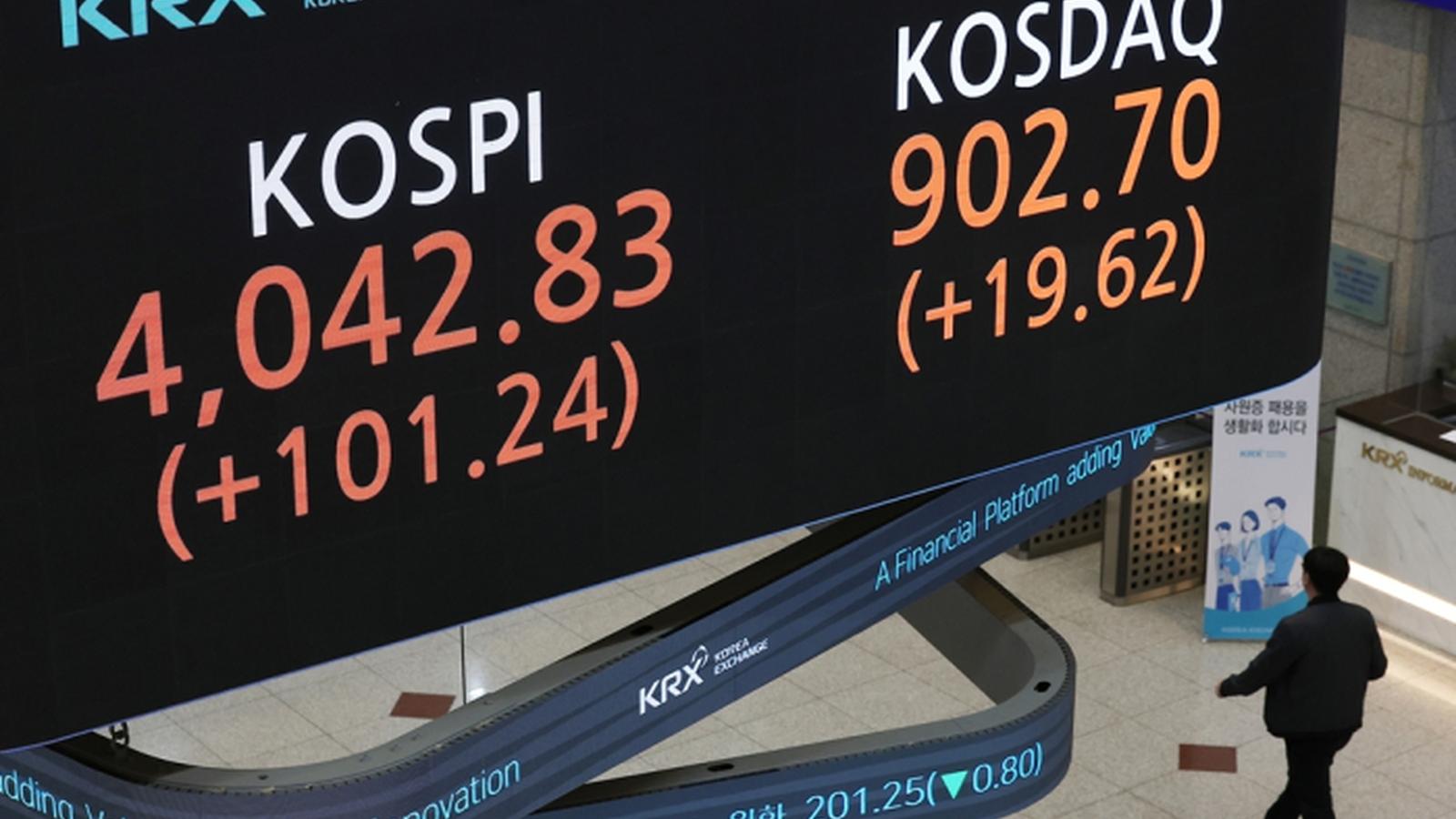
SEOUL (Azat TV) – Trading on South Korea’s benchmark KOSPI index was briefly suspended on Monday after a sharp 8.1% decline triggered emergency market circuit breakers. The historic sell-off follows a weekend of escalating military engagement between the United States, Israel, and Iran, which has sent global energy markets into a state of heightened volatility.
Escalation in the Middle East Hits Asian Markets
The market instability follows reports that Israeli air strikes targeted Iranian oil infrastructure, while Iranian forces engaged in drone and missile strikes against regional energy facilities. Investors are particularly alarmed by reports that Iran has begun targeting vessels passing through the Strait of Hormuz, a critical maritime chokepoint that accounts for approximately 20% of global oil consumption. As a result, Brent crude prices surged to levels not seen since the onset of the Russia-Ukraine conflict in 2022.
KOSPI Vulnerability and Tech Sector Decline
South Korea is uniquely sensitive to these developments, as the nation imports roughly 70% of its crude oil from the Middle East. The resulting energy shock has disproportionately affected the KOSPI, which had enjoyed a significant rally earlier this year. Memory chip giants Samsung Electronics and SK Hynix, which were primary drivers of the index’s year-to-date gains, saw their shares slump by 10% to 12% in morning trade. The KOSPI is now down more than 16% since the conflict in the region began.
Market Response and Future Outlook
The Korea Exchange activated a ‘sidecar’ mechanism early Monday to curb program trading before the index’s deeper plunge necessitated a full 20-minute trading halt. While the immediate reaction has been severe, some financial analysts are urging caution against long-term panic. Goldman Sachs analysts noted that the current decline should be viewed in the context of the index’s exceptional 176% growth since April 2025. Similarly, Eli Lee of the Bank of Singapore suggested that while geopolitical events trigger knee-jerk risk-off responses, markets typically recover once the initial uncertainty regarding energy supply stabilizes.
While current market volatility is driven by the immediate threat of a supply-side oil shock, the depth of the KOSPI’s correction reflects a broader structural anxiety regarding South Korea’s energy dependency and the potential for a prolonged inflationary environment if the Persian Gulf crisis remains unresolved.