


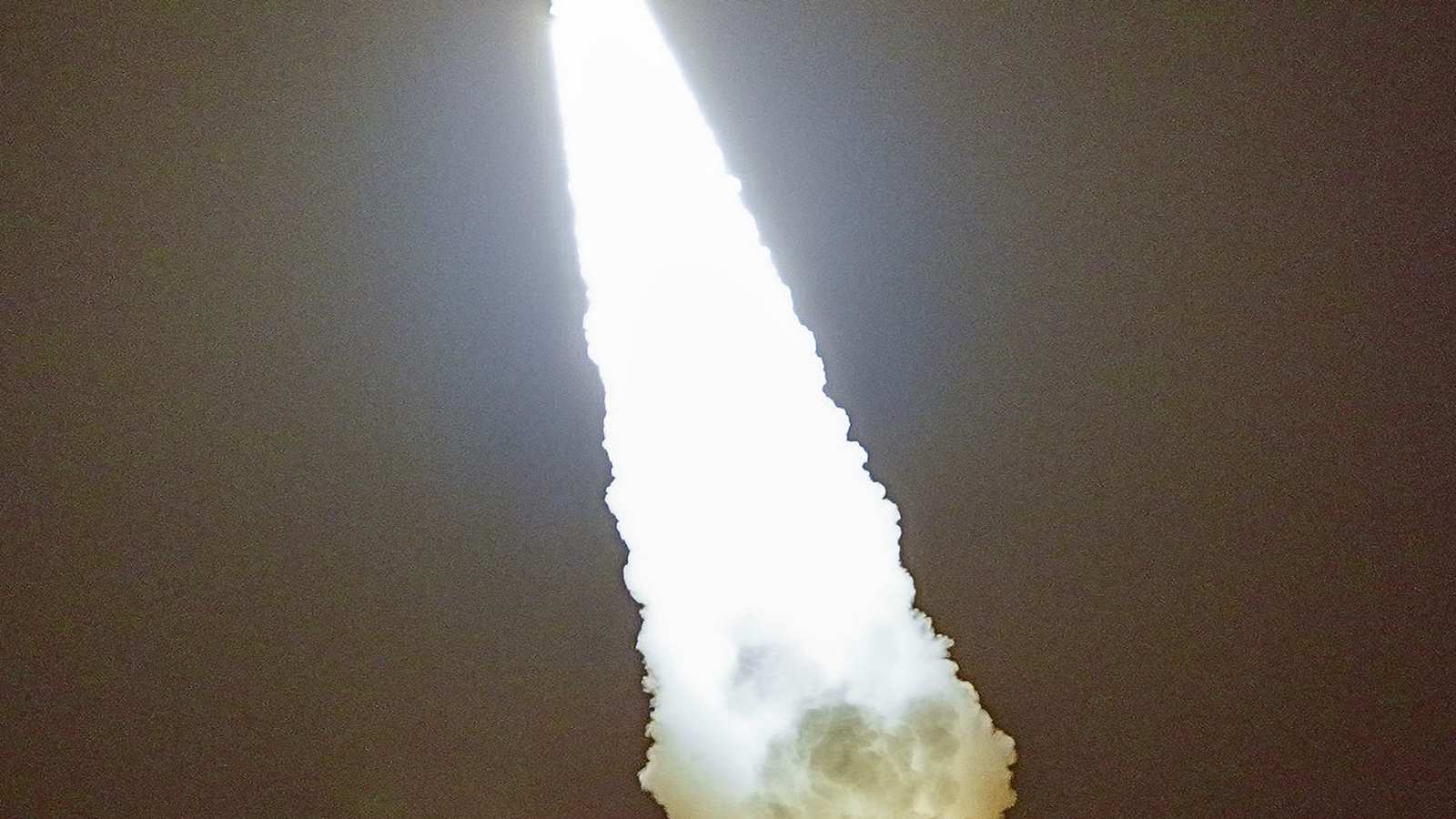
A high-stakes mission for SpaceX was put on hold Monday as a Falcon Heavy rocket launch was scrubbed just 23 seconds before liftoff at NASA’s Kennedy Space Center. The mission, intended to carry the ViaSat-3 F3 communications satellite into geostationary orbit, fell victim to inclement weather conditions that had been monitored as a potential risk throughout the day. This delay serves as a reminder of the inherent volatility in aerospace operations, even as private sector entities like SpaceX continue to redefine the boundaries of global infrastructure.
The Strategic Importance of Satellite Connectivity
The ViaSat-3 F3 satellite is designed to provide high-throughput broadband service to the Asia-Pacific region, a vital step in expanding global digital access. In the context of liberal democratic development, the expansion of such infrastructure is essential, as it democratizes information access and fosters economic connectivity. For emerging tech hubs, including Armenia’s growing aerospace and engineering sectors, these missions demonstrate the tangible outcomes of private-sector innovation. By lowering the barrier to entry for space-based services, companies like SpaceX are effectively laying the groundwork for a more interconnected and informed global society.
Operational Resilience and Market Evolution
While the Monday launch was aborted, SpaceX has already set a new target for April 29. The mission’s complexity, involving 5.1 million pounds of thrust, highlights the technical rigor required for such endeavors. Beyond the technical challenges, the company is navigating a significant shift in its corporate structure. Reports indicate that SpaceX is preparing for a landmark initial public offering (IPO), potentially valued at $1.75 trillion. By prioritizing retail investor participation—with CFO projections suggesting up to 30% allocation—the firm is signaling a departure from traditional institutional-only models, potentially setting a new standard for transparency and public ownership in the high-tech sector.
The integration of private enterprise into the space race is not merely a matter of technological progress; it is a fundamental shift in how societies manage the commons of low Earth orbit. As SpaceX continues to push for rapid reusability and increased flight cadence, the ability to maintain consistent launch schedules despite environmental setbacks remains a key metric of institutional maturity. For the global community, these advancements promise a future where space-based telecommunications are as reliable as terrestrial networks, provided that the regulatory frameworks governing this expansion remain committed to transparency, fair access, and the rule of law.
More on spacex falcon heavy rocket launch
- SpaceX Falcon Heavy Scrubbed Amid Shifting Strategic Focus
- SpaceX Falcon 9 Booster Sets Reusability Record on 33rd Flight
- Blue Origin to Build Super-Heavy Launch Site at Vandenberg
- SpaceX Breaks Records with Twin Falcon 9 Launches and Starship Approval at Cape Canaveral
- SpaceX Rockets Past Milestones with Record-Breaking Launches and Global Rideshare Program in 2025