
Quick Read
- Former model Stacey Williams claims Donald Trump groped her at Trump Tower in 1993 while Jeffrey Epstein watched.
- Williams says the encounter felt like a ‘twisted game’ between Trump and Epstein.
- She ended her relationship with Epstein soon after the alleged incident, citing concerns over his mental health.
- Williams first publicly disclosed her allegations on a ‘Survivors for Kamala’ Zoom call last year.
- The Department of Justice faces a deadline to release Epstein investigation files, raising stakes for officials.
Allegations Resurface: Williams’ Account of a Disturbing Encounter
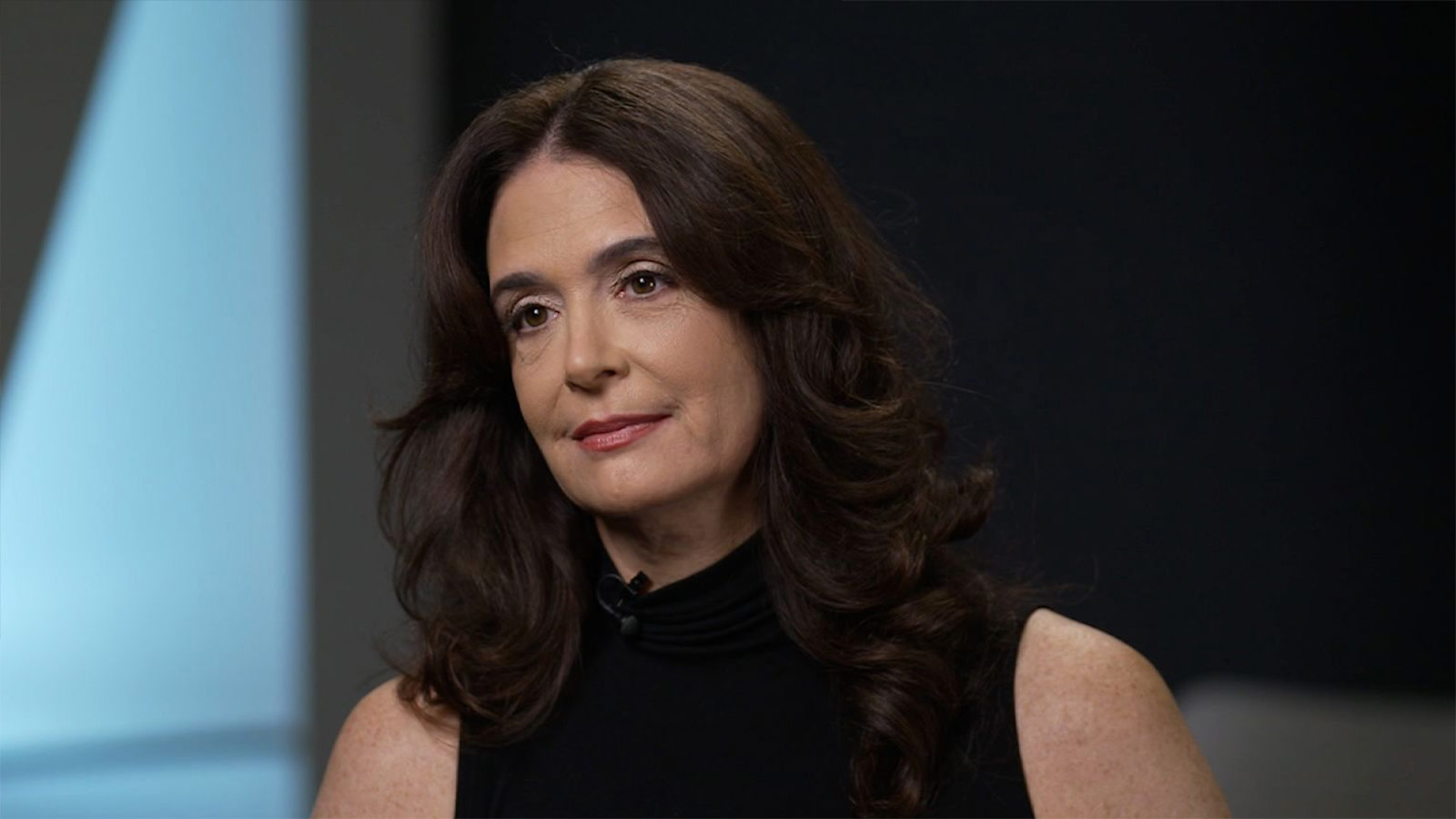
In December 2025, former Sports Illustrated model Stacey Williams reignited a firestorm of controversy by publicly accusing Donald Trump of groping her at Trump Tower in 1993, as her then-boyfriend Jeffrey Epstein allegedly watched without intervening. Williams, who first met Epstein at a dinner party in her twenties, described the encounter on “The Daily Beast Podcast,” calling it “some sort of twisted game.” Her account paints a deeply troubling picture of the social dynamics between two of the most controversial figures of the last three decades.
According to Williams, Epstein — nearly twice her age — had persistently encouraged visits to Trump, ultimately walking her into Trump Tower where the alleged assault occurred. She recounted Trump emerging from his office, complimenting her career, and then groping her while maintaining a casual conversation with Epstein. “He’s just moving his hands sort of up and down my body and, like, smiling at him. And Jeffrey smiling back,” Williams said, emphasizing the casualness of the men’s behavior, which made the event feel orchestrated.
Aftermath and Confrontation: Breaking Ties with Epstein
The incident marked a turning point for Williams. She described Epstein’s reaction afterwards as emotionally volatile, noting that he “raged at me in the elevator and on the way down that I allowed it to happen.” Williams speculated that Epstein might have seen the event as a bet or some kind of twisted game, though she admits the full motive remains unclear. Ultimately, she confronted Epstein, telling him, “You are extremely mentally ill and you need to get help. There’s something deeply wrong with you. And stop calling me.” She ended the relationship soon after, a decision that prompted an unusual display of sadness from Epstein, who became “weepy.”
Williams first disclosed her accusations during a “Survivors for Kamala” Zoom call last year. She reiterated that her motivations were personal, denying any political intent or connection to the Biden or Harris campaigns, despite skepticism from political insiders. The White House responded by calling the claims “unequivocally false,” with spokespersons describing Williams as a former Obama activist and asserting the allegations were “contrived.” This pushback did little to quell public curiosity, especially as the broader Epstein scandal continued to dominate headlines.
The Public and Political Context: Epstein Files and Legal Ramifications
The timing of Williams’s renewed allegations coincides with heightened scrutiny over the release of federal investigation files related to Jeffrey Epstein. Under the Epstein Files Transparency Act, the Department of Justice faces a deadline to release these documents, with California Democrat Ro Khanna warning that officials could face prosecution or be “hauled in front of Congress” if they fail to comply. This impending release has fueled public interest in the relationships between Epstein, Trump, and other powerful figures.
Recently, a new batch of photos surfaced showing Trump socializing with Epstein and other prominent individuals, including Bill Clinton, Steve Bannon, and Bill Gates. Reports indicate that more than 90,000 images are expected to be released, some depicting Trump with unidentified women and standing alongside Epstein. Congressman Suhas Subramanyam, in a CNN interview, acknowledged the disturbing nature of many of these images, some of which involve sexually suggestive content and potential victims. The explicit material has been withheld from public display, with journalists noting the sensitivity and severity of the evidence.
Media Coverage and Public Reaction
Williams’s claims have been met with both support and skepticism. While some see her story as part of a pattern of troubling behavior by Trump and Epstein, others view the timing and political context with suspicion. The White House’s forceful denials and references to Williams’s activism have fueled debates over the credibility of accusers in high-profile cases. At the same time, the imminent release of the Epstein files threatens to expose a broader network of relationships, potentially implicating officials and public figures far beyond the scope of Williams’s personal account.
In media circles, the story has spurred renewed interest in the intersection of celebrity, power, and exploitation. Williams herself recounted discussing the incident during the filming of “Beyond the Gaze: Jule Campbell’s Swimsuit Issue,” expressing surprise that producers left her description of the assault in the final cut after a lengthy editing process. Her willingness to speak out — despite backlash — has added urgency to ongoing conversations about accountability and transparency in cases involving sexual misconduct and abuse of power.
Legal and Societal Implications: The Road Ahead
As Friday’s deadline for the release of Epstein’s federal files looms, the legal and societal implications of Williams’s allegations — and those of other accusers — remain unresolved. The Transparency Act’s mandate has put Justice Department officials under the microscope, raising questions about institutional accountability and the risks faced by those tasked with handling sensitive evidence. For Williams, the decision to publicly recount her experience reflects a broader movement toward survivor advocacy, even as detractors question her motives.
The complexities surrounding these allegations — the relationships between Trump, Epstein, and their associates, and the ongoing legal battles — continue to unfold. As new evidence and testimony emerge, the public is left to grapple with uncomfortable questions about power, complicity, and justice. Williams’s story, whether ultimately substantiated or not, underscores the challenges faced by survivors seeking to hold influential figures accountable in an era marked by both heightened awareness and deep polarization.
The facts presented reveal a disturbing intersection of personal trauma, alleged abuse of power, and political controversy. As scrutiny intensifies with the release of Epstein’s files, Williams’s account serves as a stark reminder of the complexities and challenges in pursuing accountability for the powerful — and the importance of transparency, even when the truth remains contested.