
Quick Read
- President Trump announced a 50% tariff on steel and aluminum imports, effective Wednesday.
- Packaging manufacturers warn these tariffs will significantly raise production costs.
- Industry groups argue the tariffs could harm U.S. businesses and consumers while benefiting foreign competitors.
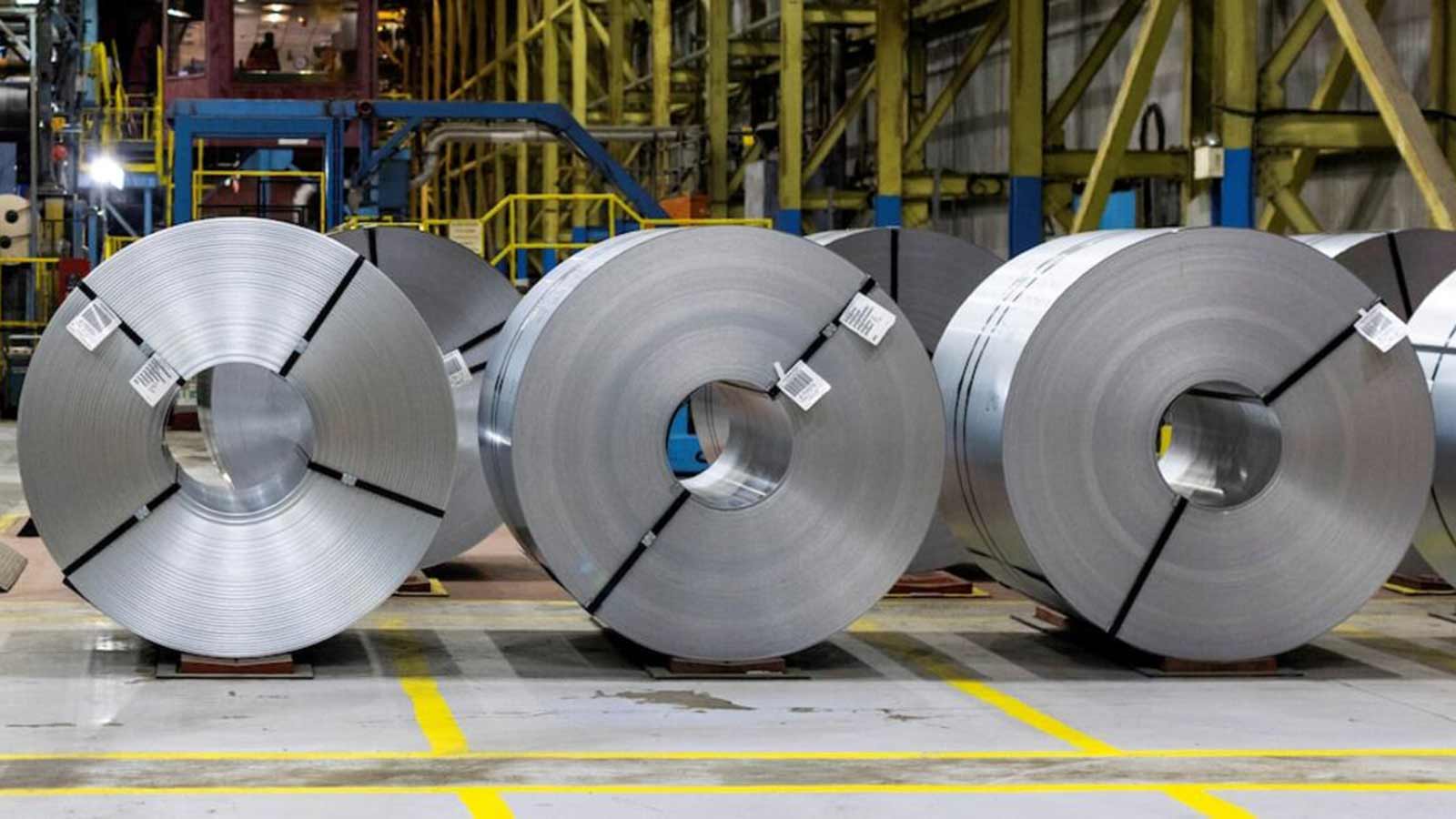
On Friday, President Donald Trump announced a controversial decision to double tariffs on steel and aluminum imports, raising them from 25% to 50%. The new rates, set to take effect this Wednesday, aim to bolster the U.S. steel industry but have sparked strong opposition from packaging manufacturers and metals trade groups. Industry leaders warn that the increased duties could ripple through supply chains, driving up costs for businesses and consumers alike.
Packaging manufacturers brace for higher costs
The Can Manufacturers Institute (CMI), which represents companies producing metal cans for food and beverages, expressed immediate concern over the tariff hike. Robert Budway, CMI’s president, stated that doubling the steel tariff would “further increase the cost of canned goods at the grocery store,” impacting millions of American families. The tariffs are likely to raise production expenses for can makers, who already rely heavily on imported tin mill steel. Budway emphasized that U.S. manufacturers import nearly 80% of this specialized steel due to significant reductions in domestic production over the past eight years.
Several prominent packaging manufacturers, including Ball and Crown, echoed these concerns earlier this year when the initial 25% tariff was implemented. The latest increase, they argue, compounds the financial strain on companies already navigating supply chain disruptions and inflationary pressures.
Aluminum industry calls for a tailored approach
The Aluminum Association, which represents stakeholders across the aluminum supply chain, has also raised alarms about the potential consequences of the tariff increase. In a statement released on Monday, the association acknowledged the administration’s focus on strengthening domestic aluminum production but warned that tariffs alone would not achieve this goal. Matt Meenan, the association’s vice president of external affairs, highlighted the need for low-cost electricity and policy measures to enhance domestic recycling and production capabilities.
Meenan urged the Trump administration to adopt a more strategic approach, targeting bad actors like China that flood the market with underpriced metals while exempting trusted trade partners such as Canada. According to Meenan, such measures would ensure the U.S. retains access to critical raw materials without unnecessarily burdening domestic industries.
Consumer prices under threat
Beyond the manufacturing sector, the impact of the tariffs is expected to extend to everyday consumers. CMI and other industry groups have warned that the increased costs of steel and aluminum could drive up the prices of canned goods and other products reliant on metal packaging. This comes at a time when many American households are already grappling with rising grocery bills.
Budway further cautioned that the tariffs could inadvertently benefit foreign competitors. “This plays into the hands of China and other foreign canned food producers,” he said, noting that these entities could undercut American manufacturers, posing risks to the nation’s food security. CMI is calling on the administration to consider targeted relief for tin mill steel and aluminum sourced from U.S. allies, a move they argue would support domestic producers without escalating costs for consumers.
International response and potential trade tensions
The tariff announcement has not gone unnoticed on the global stage. The European Commission voiced strong regret over the decision, with officials preparing to urge the United States to reconsider. According to Reuters, the EU may revive previously suspended countertariffs on $24 billion worth of U.S. imports if the higher duties remain in place. Such retaliatory measures could further strain transatlantic trade relations, which have already been tested by earlier disputes over steel and aluminum.
Meanwhile, foreign leaders are assessing their options, weighing the potential economic fallout against the need to protect their industries. The situation underscores the delicate balance between safeguarding domestic markets and maintaining cooperative international trade policies.
Steel and aluminum industries at a crossroads
For domestic steel and aluminum producers, the tariff increase represents both an opportunity and a challenge. While the higher duties are designed to shield these industries from unfair competition, critics argue that they do little to address underlying issues such as outdated infrastructure and limited capacity for specialized production. Budway pointed out that a series of missteps by U.S. tin mill steel producers over the past decade has left the industry heavily reliant on imports, a dependency that the tariffs alone cannot resolve.
Greif, a company specializing in steel drum production, has already established an internal taskforce to mitigate the impact of the tariffs on its operations. According to senior vice president Kim Kellermann, the group will evaluate potential strategies to manage the increased costs and maintain competitiveness in the market.
As the Wednesday deadline for the new tariffs looms, the debate over their long-term implications continues to intensify. Industry leaders and policymakers alike face the challenge of balancing economic protectionism with the broader needs of businesses, workers, and consumers.