
Quick Read
- Stephen Hendry is a seven-time world snooker champion and a defining figure in the sport.
- Hendry’s legacy shapes the standards by which new and veteran players are judged.
- He is active as a commentator, offering candid insights during major tournaments.
- Current stars and rising talents are often compared to Hendry by top players like Ronnie O’Sullivan.
- Hendry’s influence extends beyond his career, setting benchmarks for excellence and consistency.
Stephen Hendry: Still at the Heart of Snooker’s Conversation
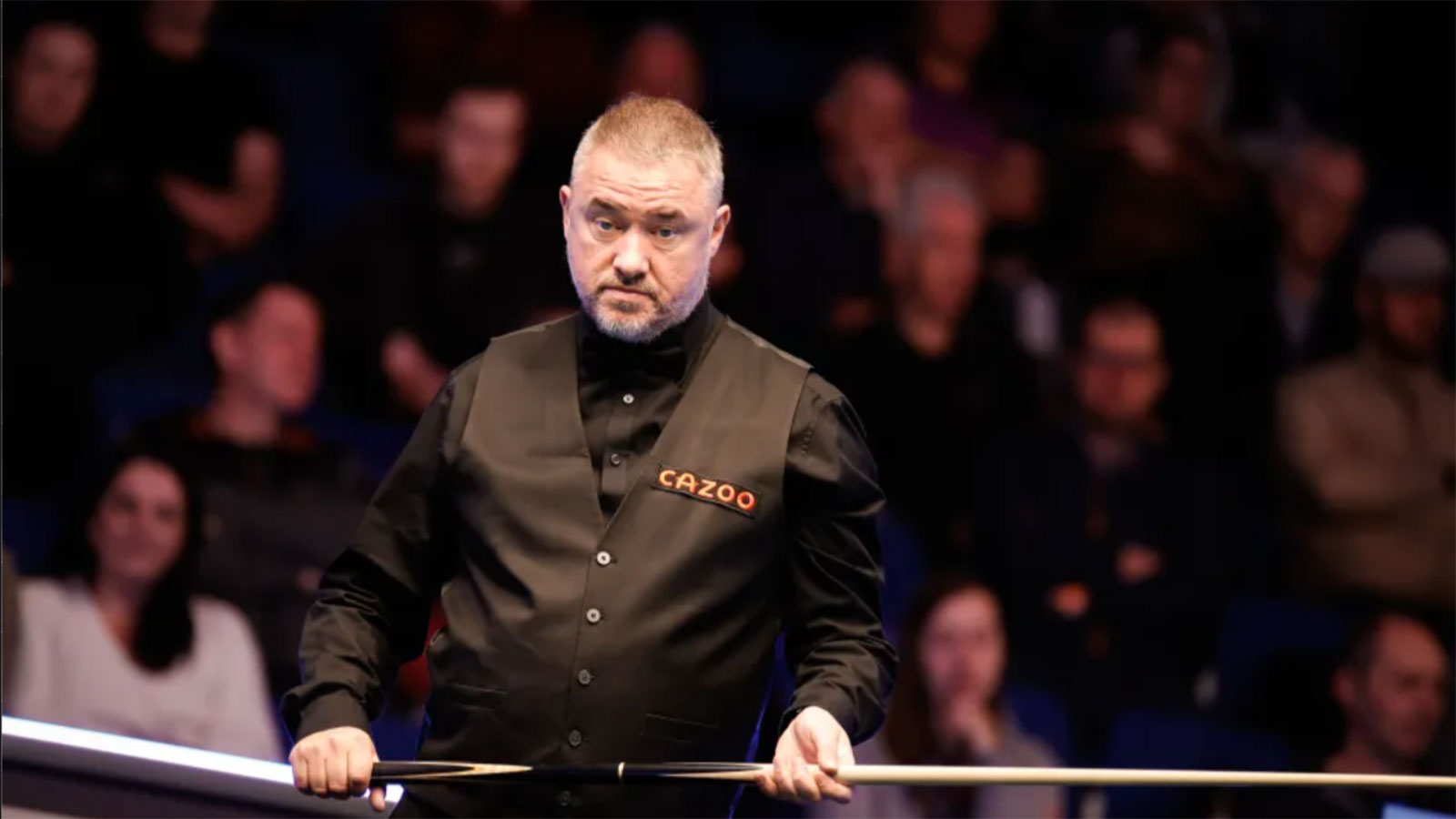
In the shifting landscape of professional snooker in 2025, Stephen Hendry’s name continues to echo—not just in record books, but in the very fabric of how the sport is discussed, practiced, and envisioned for the future. Hendry, a seven-time world champion, stands as a benchmark for excellence, a living reference point for what it means to dominate snooker at its highest level.
From Champion to Commentator: Hendry’s Transition
While Hendry’s days of lifting trophies may be behind him, his presence remains palpable. In recent UK Championship finals, such as the highly charged showdown between Judd Trump and Mark Selby, Hendry’s insights have punctuated live broadcasts (Express Sport, BBC). His assessments—sharp, sometimes blunt—carry weight because they come from someone who has not just played, but mastered the psychological and technical intricacies of the game. When Hendry commented on Trump’s missed opportunities against Selby, suggesting that the match might already be half-won by Selby, it was more than analysis; it was a reminder of the unforgiving nature of elite snooker.
Setting the Standard: Hendry’s Legacy in Perspective
Hendry’s legacy is measured not only in his seven world titles but also in the way he redefined what was possible at the table. He was once the youngest world champion and, for years, the undisputed king of century breaks. His aggressive style and relentless pursuit of perfection forced his contemporaries—and successors—to raise their games.
It’s telling that Judd Trump, in pursuit of defending his UK Championship title, sought to join a club that includes Hendry, Steve Davis, and Ronnie O’Sullivan—the only men to have successfully defended the crown. These names form the backbone of snooker’s modern era, their achievements shaping the aspirations and benchmarks for all who follow.
Influence Beyond the Table: Hendry as a Mentor and Reference
The reach of Hendry’s influence extends well beyond his own playing days. In 2025, snooker’s veterans—Mark Selby, John Higgins, Mark Williams, and others—continue to perform at elite levels, a testament to the culture of excellence Hendry helped foster. Younger stars, too, find themselves measured against the standards he set. This is evident in recent remarks from Ronnie O’Sullivan, who, on Hendry’s own Cue Tips channel, compared emerging talents to Hendry and Steve Davis (Metro).
O’Sullivan’s praise for 22-year-old Wu Yize and 14-year-old Michal Szubarczyk is more than flattery—it is a recognition of the qualities Hendry embodied: tactical precision, composure under pressure, and an ability to make the game look deceptively simple. “You [Hendry] was like that,” O’Sullivan noted, “he makes a difficult game quite easy sometimes.” The fact that today’s best young prospects are likened to Hendry speaks volumes about his continued relevance.
Snooker’s Evolving Landscape: The Role of Experience
As the sport matures, the question of generational change looms large. The top ranks remain crowded with players over 40, many of whom were contemporaries or direct rivals of Hendry. Selby, Robertson, Murphy, Hawkins, and Wilson all remain competitive, challenging the notion that snooker is a young man’s game. Hendry’s career demonstrated that longevity at the top is possible, but also that adaptation and mental strength are just as critical as raw talent.
This environment makes the breakthrough of young players even more remarkable—and more challenging. O’Sullivan himself remarked on the difficulty of climbing the rankings, noting that even those ranked outside the top 50 possess formidable skill. The bar set by Hendry is a reference point not just for excellence, but for the relentless consistency needed to remain relevant across decades.
Hendry’s Voice: Shaping the Conversation
In commentary and analysis, Hendry brings a candid, sometimes unvarnished perspective that is rare in sports broadcasting. He does not shy away from tough truths—whether it’s acknowledging when a player’s chance has slipped away or dissecting the mental battles that define championship snooker. His role as an analyst is not just to narrate, but to educate and provoke thought. As he observed during the UK Championship final, “Judd has to get in early and win frames in one visit – at the moment it’s the only way you can see him winning a frame.” Such insights reflect Hendry’s understanding of the game’s brutal realities.
Looking Forward: Hendry’s Enduring Impact
As snooker looks ahead, the standards and culture Hendry helped establish remain integral to its identity. Young players are still measured against the best of the past, and Hendry’s achievements continue to serve as both inspiration and challenge. The sport’s veterans, many of whom are still active, demonstrate the lasting value of Hendry’s approach: focus, discipline, and a refusal to settle for anything less than mastery.
Whether on the commentary desk, in coaching roles, or simply as a reference for greatness, Stephen Hendry’s influence is undiminished. In an era where snooker’s future is debated and new talents are scrutinized, Hendry’s legacy provides both a benchmark and a source of wisdom for those willing to listen.
Stephen Hendry’s sustained influence on snooker is not just a product of his titles, but of his approach to the game and his willingness to speak plainly about its demands. In 2025, he remains both a standard and a sounding board for a sport that values tradition as much as innovation—and his voice continues to shape the way snooker is played, watched, and understood.