
Quick Read
- Steve Waugh has publicly challenged chief selector George Bailey to make tougher selection decisions as Australia’s Test squad ages.
- Australia’s current Ashes squad features just one player under 30, raising concerns about team regeneration.
- Waugh compared young batter Sam Konstas’ struggles to his own early career, advising patience and confidence-building.
- Bailey defended his panel’s approach, emphasizing performance over age and supporting youth development through Australia A tours.
- The selectors face critical choices as veteran players near retirement and young talent faces intense scrutiny.
Steve Waugh Demands Tough Choices as Australia’s Test Team Ages
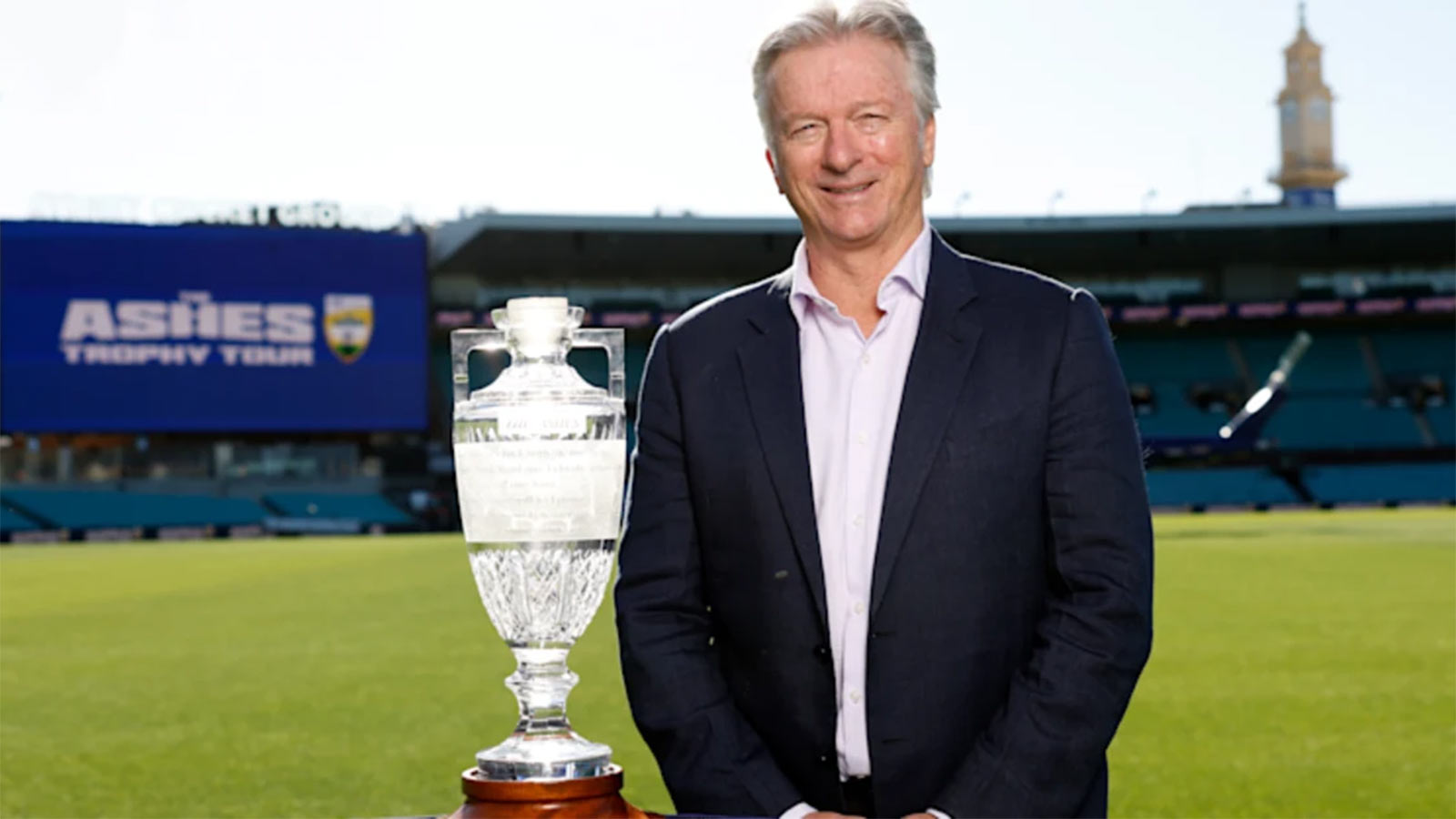
When Steve Waugh speaks, Australian cricket listens. The former captain, who once led one of the most dominant eras in the sport, appeared at the Sydney Cricket Ground to receive the prestigious Waterford Crystal Ashes Trophy. But his message was anything but ceremonial. Waugh used the opportunity to deliver a pointed challenge to George Bailey, Australia’s chief selector, questioning whether Bailey and his panel have the resolve to make the hard decisions necessary for the team’s future.
Waugh’s concern? The Test squad’s age profile. With just one player under 30 in the Ashes squad and several stars approaching retirement, the issue of regeneration has become urgent. “George Bailey’s going to have to make some tough calls,” Waugh declared. “In the past, he hasn’t really shown the appetite for that at times, so he’s going to have to step up to the plate.”
It’s a familiar crossroads for Australian cricket. Waugh himself retired at 38, steering the team through one of its last great transitions. He remembers the challenge—and the risk—of letting several senior players go simultaneously. “You just want to make sure that three or four players don’t go out at the same time. That leaves a big hole in the team. So they’ve got to just make sure that it is a transition, but not all at once.”
Selector vs. Player: Who Should Shape the Squad?
Waugh didn’t shy away from the delicate question of retirement. Should selectors wait for players to bow out on their own terms, or take the lead? “I’d like to see the selectors pick the sides, not the players,” he said. “There’s been a lot of players recently picking sides and saying who should be in the team. That’s the selectors’ job.”
This statement comes as veteran opener Usman Khawaja suggested his preferred top order, potentially crowding out other contenders. Bailey responded, defending the panel’s independence: “We see each and every Test as being important.” He argued that performance, not age, remains the key criterion. “Is there a tipping number once a player hits an age you move them on? Should that be the most important criteria?”
Yet the numbers are hard to ignore. Mitchell Starc, Scott Boland, and Josh Hazlewood will all be 35 or older by season’s end. Nathan Lyon, the stalwart spinner, turns 38 this month. David Warner has retired, and finding a stable opening partner for Khawaja remains unresolved. The squad’s youth pipeline, often fed through Australia A tours and domestic cricket, faces mounting pressure to deliver ready talent.
Young Talent Under Scrutiny: Sam Konstas’ Journey
Beyond the issue of age, the process of nurturing new stars is itself fraught. Sam Konstas, a promising 20-year-old batter, embodies the challenge. After a tough tour of the West Indies and a slow start to the Sheffield Shield season, Konstas was omitted from the Test squad—despite earlier flashes of brilliance, including a century for Australia A in India.
Bailey expressed sympathy for Konstas, acknowledging the intense scrutiny the youngster faces. “If he farts, it’s a headline,” Bailey joked, highlighting the pressure on rising stars to perform under the microscope. Konstas’ journey is not unique; as Bailey noted, “There’s a handful of young guys his age playing Shield cricket around the country, and they are all learning… he just happens to be doing it under immense scrutiny.”
Waugh sees echoes of his own early career in Konstas’ struggles. He recalled debuting at 20, uncertain of his place and battling inconsistent form. “He’s been in and out of the side a bit, and it actually reminds me a bit of myself when I first started playing for Australia,” Waugh said. “Not fully confident of being in the side, and up and down, and form not quite there. So he’s probably lacking a bit of confidence.”
Waugh’s advice? Block out the noise. “Not to listen to everybody. Just trust one or two people around you. Go back to basics. It’s really hard to learn how to play Test cricket while you’re playing Test cricket.” He urged Konstas to return to Shield cricket, build long innings, and develop self-assurance before stepping back onto the international stage.
Rebuilding Without Losing Identity
The path forward for Australia is complex. Bailey and his fellow selectors, Andrew McDonald and Tony Dodemaide, are tasked not just with balancing age and form but also with maintaining the team’s identity. Blooding young talent is essential, but so is ensuring experience and stability. Khawaja’s recent big score in Sri Lanka is a reminder of the value of veterans, even as the team looks ahead.
Meanwhile, the search for the next opener continues. Steve Smith tried the role, and now Marnus Labuschagne or Jake Weatherald are in the frame for the first Ashes Test in Perth. Youngsters like Nathan McSweeney and Sam Konstas are still in the mix, with opportunities in Australia A and Prime Minister’s XI fixtures providing vital experience.
Australian cricket’s challenge is not just about picking the best eleven for the next match. It’s about plotting a sustainable course through change—a transition that honors past contributions while preparing for future battles. As the Ashes loom, the pressure on selectors to get it right has never been higher.
Steve Waugh’s candid intervention underscores a universal tension in elite sport: the delicate balance between honoring veterans and investing in youth. As Australia faces a generational shift, the selectors’ willingness to make bold, sometimes uncomfortable choices will determine not just the outcome of the Ashes but the team’s long-term legacy. The decisions made in the coming months could shape Australian cricket for years to come.