
Quick Read
- JR East announced the Suica Penguin mascot will retire at the end of fiscal 2026.
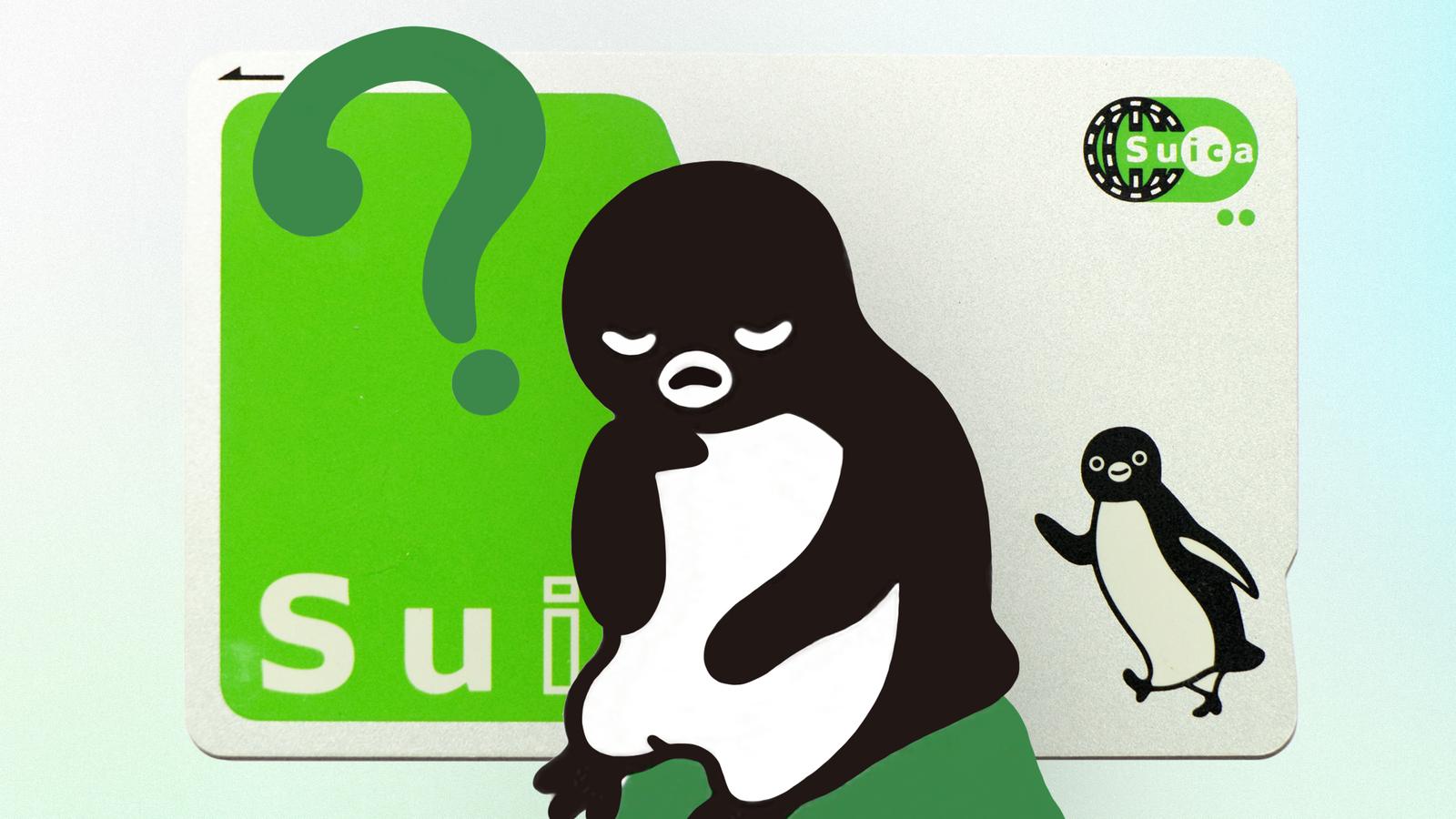
- The Penguin has been the face of Tokyo’s Suica card since 2001, created by Chiharu Sakazaki.
- Over 110 million Suica cards have been issued as of March 2025.
- Fans will help select the next mascot, with farewell campaigns planned in 2026.
The Suica Penguin’s Farewell: More Than Just a Mascot Change
It’s official: the Suica Penguin, Tokyo’s most recognizable commuter icon, will retire at the end of the 2026 fiscal year. After more than two decades of greeting millions at ticket gates and vending machines, the news—announced by JR East on November 11, 2025—has rippled through the city’s daily rhythms, stirring nostalgia and sparking a wave of reactions across social media.
For many in Tokyo, the Suica Penguin is more than a marketing image. Its round, gentle silhouette and soft smile have accompanied countless morning rushes, late-night returns, and the small everyday exchanges that define urban life. If you’ve ever tapped your card for a train ride or grabbed a coffee at a convenience store, you’ve likely crossed paths with this silent commuter, its presence quietly woven into the fabric of the city.
The Story Behind the Penguin: A Mascot Born From Art
The Suica Penguin’s journey began in 2001—the same year Japan launched its first IC card, revolutionizing public transport payments. The character was created by Chiharu Sakazaki, a picture book artist celebrated for her minimalist yet expressive style. As recounted in a 2014 interview with Dentsu, Sakazaki’s penguin started life in the pages of her storybooks, but soon found a new home when art director Tomotomo Tanaka stumbled upon her work while developing Suica’s visual identity for JR East.
Originally intended only for promotional posters, the penguin’s charm proved irresistible. JR East decided not just to use it in advertising but to place it front and center on the card itself. What followed was an explosion of visibility: posters, plush toys, stationery, and even a statue in Shinjuku’s Suica Penguin Square. Over the years, the mascot became a fixture—not just for commuters, but for anyone who experienced Tokyo’s bustling public spaces.
Commuter Culture and the Penguin’s Impact
As of March 2025, JR East reported that more than 110 million Suica cards had been issued. The scale is staggering. Nearly every resident and visitor in the Tokyo metropolitan area has, at some point, interacted with the penguin—whether as a child holding their first card or an adult navigating a packed station.
It’s easy to overlook just how much a mascot can shape public perception. The Suica Penguin’s gentle demeanor set a standard, prompting other railway companies to develop their own mascots in hopes of fostering similar warmth and recognition. In a city famous for its efficiency and pace, the penguin offered something softer—a pause, a smile, a reminder that public transport isn’t just about moving bodies, but about connecting lives.
Nostalgia, Debate, and What Comes Next
The retirement announcement sparked an immediate outpouring online. “I still remember the impact of seeing that little penguin on my brand-new IC card back in 2001,” one user posted. Another commented, “Because of the Suica penguin, so many other railway companies started creating their own mascots.” But not all reactions were sentimental. Some questioned the move: “There must be some kind of adult reason behind it.” Others expressed sadness at losing a familiar companion: “This is so lonely. I used to look forward to browsing Suica penguin goods while waiting for the shinkansen.”
Merchandise demand surged. The JRE Mall website, which sells official penguin goods, experienced such high traffic that customers faced minutes-long wait times just to access the site. Clearly, the mascot’s influence goes beyond branding—it’s tied to real memories and daily rituals for millions.
JR East has promised a series of farewell campaigns throughout 2026 to honor the penguin’s 25 years of service. Crucially, the company also announced plans to involve the public in selecting its successor. While details are still under wraps, this gesture points to a broader recognition: mascots aren’t just corporate creations; they belong to the people who interact with them every day.
The Artist’s Goodbye and the Power of Public Symbols
On the day of the announcement, Chiharu Sakazaki shared a heartfelt message through JR East: “It has been a joy to walk alongside everyone as the Suica penguin. I’ll do my best during this final year.” Her words echo the feelings of many—gratitude for a character that made something as mundane as a train journey feel a little more personal.
The story of the Suica Penguin is a reminder that symbols matter. They help cities tell their stories, bridge generations, and turn fleeting moments into lasting memories. As Tokyo prepares to bid farewell, one question hangs in the air: what kind of character will take up the mantle? And will it ever evoke the same quiet affection?
In the coming months, all eyes will be on JR East’s public campaigns—and on the conversations, debates, and creative ideas that will shape the next chapter of Suica’s visual identity. But for now, the penguin remains, a gentle guide through crowded stations, its legacy secure in the hearts of millions.
As Tokyo faces the transition from a beloved mascot to a new chapter, the public reaction underscores how even small symbols can become touchstones of urban life. The Suica Penguin’s retirement is not just about branding—it’s a moment of collective nostalgia, debate, and the reaffirmation of community identity in a rapidly changing city.