
Quick Read
- Businessman Suleiman Carrim requested to testify in-camera at the Madlanga Commission due to alleged death threats.
- Evidence leaders at the commission, led by Adila Hassim, are opposing the application, citing concerns that secrecy could amplify threats.
- Carrim is scheduled to testify on March 9 and 10, 2026, and is accused of using political influence to secure a R360-million SAPS tender.
- The commission argues Carrim is a public figure and his submitted statement contains no new, sensitive information not already public.
- Commissioner Sesi Baloyi questioned the legal basis for Carrim’s request to limit access to his documents.
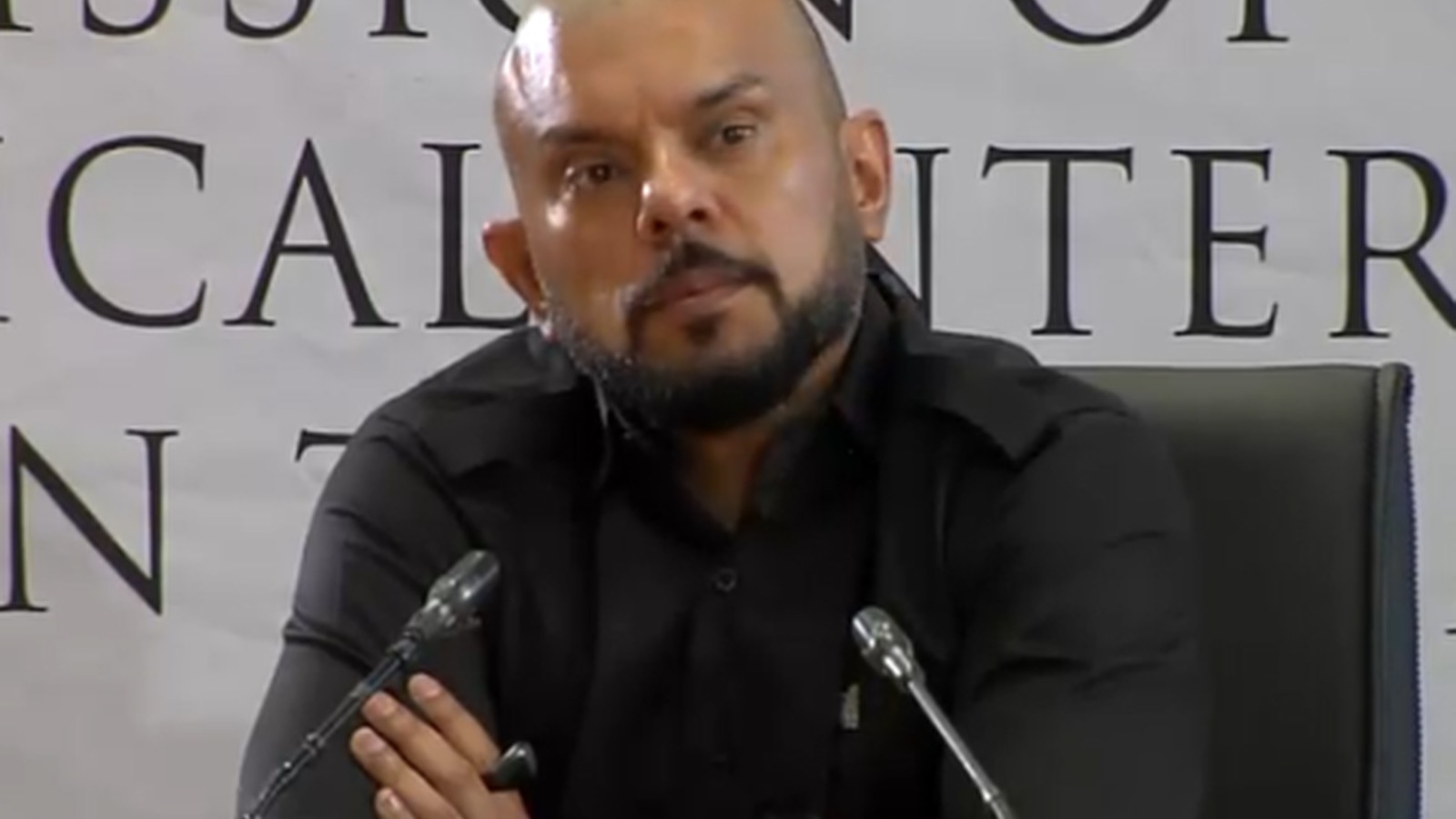
PRETORIA (Azat TV) – Controversial North West businessman and prominent ANC backer, Suleiman Carrim, is facing strong opposition from evidence leaders at the Madlanga Commission of Inquiry regarding his request to testify behind closed doors. Carrim, who is scheduled to appear before the commission on March 9 and 10, 2026, filed an in-camera application citing death threats and fears for his life, family, and business interests if his testimony proceeds in an open session.
The commission’s evidence leaders, however, argue that a private hearing would not only fail to mitigate the alleged threats but could also inadvertently amplify them. This development underscores a critical juncture in the Madlanga Commission’s proceedings, as it weighs witness safety against the imperative of public transparency in matters of significant public interest.
Suleiman Carrim Seeks Closed-Door Testimony Amid Threats
Suleiman Carrim formally submitted his application for in-camera testimony on Friday, March 6, 2026, detailing specific and graphic death threats he has reportedly received. His legal counsel, Advocate Kameel Premhid, informed the commission that Carrim has been subjected to surveillance and direct warnings, including messages like: “before you appear at the commission… we are going to show you and your iceboy” and “go to Madlanga, we are going to Madlanga, we will stay behind and take care of your staff.” These messages, according to Premhid, indicate a pre-emptive and ongoing threat aimed at dissuading Carrim from testifying or retaliating against him should he proceed.
Carrim’s legal team emphasized that their client’s insistence on a closed session stems from a profound distrust that his documents and testimony would be safeguarded from those threatening him if disclosed publicly. Premhid argued that Carrim would be prejudiced if his testimony were heard in a public forum, especially given that the application itself was discussed on live television, which he said undermined the initial purpose of seeking protection for sensitive disclosures.
Madlanga Commission Rejects Carrim’s Secrecy Bid
Evidence leader Adila Hassim robustly opposed Carrim’s application, asserting that an in-camera hearing would serve no practical purpose and might even be counterproductive. Hassim highlighted that Carrim’s scheduled testimony dates are already public knowledge, and his status as a well-known public figure differentiates him from other witnesses who have been granted partial in-camera testimony by the commission.
“Secrecy can actually amplify a witness’ vulnerability by signalling the witness is exceptional or hidden, and it may just fuel speculation and targeting rather than quell speculation and threats,” Hassim stated. She further revealed that her review of Carrim’s witness statement indicated no new information that could inherently place him at risk through public exposure, as much of the content had already been disclosed in public settings, including a previous High Court challenge where Carrim unsuccessfully attempted to challenge his subpoena to appear before the Madlanga Commission.
Commissioner Sesi Baloyi also raised concerns regarding Carrim’s insistence on limiting access to his documents, questioning the legal basis for his client to dictate who within the commission staff should have access to his submitted papers. The commission appears firm in its stance that transparency, particularly for a public figure involved in high-profile allegations, outweighs the arguments for a closed session, unless a clear and compelling factual basis for extreme risk is provided.
Allegations Against Suleiman Carrim
Suleiman Carrim’s appearance before the Madlanga Commission is not without significant context. He has been implicated in serious allegations by previous witnesses testifying before the inquiry. Specifically, Carrim is accused of leveraging his political influence to assist suspected crime boss Vusimuzi ‘Cat’ Matlala in securing a lucrative R360-million tender with the South African Police Service (SAPS). Furthermore, it is alleged that Carrim subsequently received kickbacks from Matlala as a direct result of his purported involvement in facilitating this tender. These accusations form a core part of the commission’s investigation into alleged corruption and undue influence within public procurement processes.
Implications for Commission Transparency
The ongoing debate over Suleiman Carrim’s testimony highlights the delicate balance commissions of inquiry must maintain between protecting witnesses and upholding the principles of transparency and public accountability. While the Madlanga Commission has made provisions for in-camera testimony for non-public figures in specific circumstances, the opposition to Carrim’s request signals a commitment to open proceedings for individuals whose actions and alleged dealings are already subject to public scrutiny. The outcome of this application will not only impact Carrim’s testimony but also set a precedent for how the commission addresses similar requests from high-profile individuals in the future, reinforcing the expectation of public disclosure in the pursuit of justice and truth.