
Quick Read
- Super Typhoon Ragasa struck northern Philippines with 230 km/h winds.
- Thousands evacuated; severe storm surges and flooding reported.
- Schools and offices closed across affected regions, including Manila.
- Ragasa expected to move toward southern China and affect Hong Kong.
- Protests erupted in the Philippines over poor disaster infrastructure.
Typhoon Ragasa Strikes: A Nation on Edge
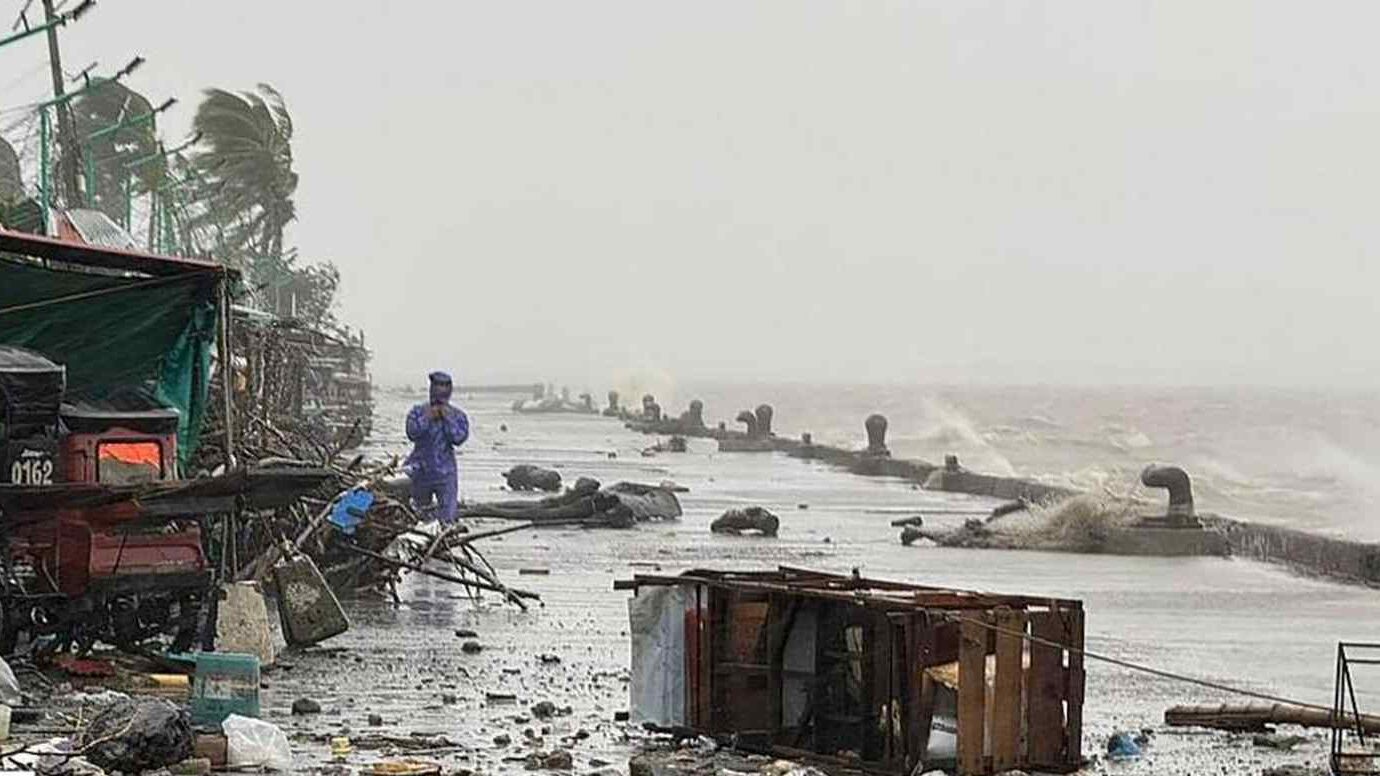
In the early hours of Monday, the Philippines faced the full wrath of nature as Super Typhoon Ragasa made landfall, battering the northern Cagayan province and surrounding islands. With wind gusts reaching a staggering 230 km/h (143 mph), Ragasa has unleashed what authorities describe as potentially “catastrophic” damage, according to BBC News and Bloomberg.
For weeks, the country had already been reeling from relentless monsoon flooding. But Ragasa’s arrival marks an escalation, pushing an already stretched disaster response system to its limits. The storm’s ferocity is matched only by its timing: the Philippines, still waterlogged and weary, must now contend with a new, more dangerous threat.
Evacuations and Immediate Impact
Thousands have been forced to flee their homes, particularly on the remote Batanes and Babuyan islands, where simple dwellings and poverty leave residents especially vulnerable. Local authorities report that the typhoon made landfall over Panuitan Island at 3:00 PM local time, delivering not just lashing winds but also a high risk of deadly storm surges. The Philippine weather bureau warned that surges could reach over 3 meters (10 feet), enough to engulf entire neighborhoods along the coast.
Across affected regions, schools and government offices have shuttered. In Manila, the usually bustling capital, the streets are eerily quiet as businesses brace for the worst. Officials caution that the true scale of the disaster may not become clear for days, as communication lines with the hardest-hit areas remain down or intermittent.
Ragasa’s Path: From Philippines to China
Ragasa, known locally as Nando, is not content to linger. Forecasters expect the storm to barrel westward, crossing the South China Sea toward southern China. Authorities in Guangdong province, already on high alert, have called on residents to prepare for a “large-scale disaster.” The city of Shenzhen has begun preemptive evacuations, aiming to move 400,000 people out of harm’s way.
Meanwhile, in Hong Kong, officials are warning of rapidly deteriorating weather conditions. The education bureau is considering school closures, and major airlines like Cathay Pacific and Hong Kong Airlines have announced sweeping flight cancellations—up to 500 departures halted in a single day. The region is bracing for impact, even as the full force of Ragasa remains just over the horizon.
Beyond the Storm: Exposing Systemic Vulnerabilities
The arrival of Ragasa has thrown the Philippines’ chronic infrastructure challenges into sharp relief. Even before the typhoon hit, tens of thousands of citizens took to the streets to protest government corruption and the perceived failure to invest in robust flood control systems. Their fears now seem prescient. As floodwaters rise and landslides threaten, the need for resilient infrastructure and transparent governance becomes not just an abstract policy debate, but a matter of life and death.
Remote communities, especially on the islands where Ragasa made landfall, are at particular risk. Inhabitants often lack access to emergency services, and simple wooden homes offer little protection against winds of this magnitude. The islands, home to around 20,000 people, face a daunting recovery—one complicated by poverty, isolation, and the persistent threat of further storms as climate change intensifies weather patterns across the region.
Regional Ripples: Impact Beyond the Philippines
Though Ragasa is not expected to strike Taiwan directly, its outer bands are already lashing the island’s east coast with torrential rain. Authorities in Hualien have evacuated nearly 300 residents from high-risk areas, and forest trails and ferry services have been suspended across southern and eastern Taiwan.
As the typhoon churns northwest, the entire South China Sea region is on high alert. Meteorological agencies across Asia are watching closely, coordinating forecasts and sharing information in an effort to minimize loss of life. But as with so many storms before, the true impact of Ragasa will be measured not just in property damage or economic loss, but in the resilience of communities forced to confront the unpredictable power of nature.
Looking Ahead: The Challenge of Recovery
In the immediate aftermath, the focus remains on survival—search and rescue, emergency shelter, and the restoration of essential services. But as the floodwaters eventually recede and the winds die down, the daunting task of rebuilding will begin. For many in the Philippines, this is a familiar cycle: disaster, displacement, and the slow, uneven march toward recovery.
The government, already under fire for its handling of flood control and disaster preparedness, faces mounting pressure to deliver meaningful reform. International aid is likely to play a crucial role, but the question remains: can the lessons of Ragasa translate into lasting change, or will the next storm find the country just as vulnerable?
Ragasa’s destructive sweep is a stark reminder of the intersection between natural disaster and human vulnerability. As climate-driven storms grow fiercer and more unpredictable, the Philippines—and the broader region—must reckon not only with nature’s fury, but with the urgent need for resilient infrastructure, transparent governance, and community-based disaster planning. The story of Ragasa is not just about wind and rain, but about the choices societies make in the calm before the next storm.