
Quick Read
- The Supreme Court is addressing pivotal cases on presidential powers and social issues.
- Key cases include challenges to executive authority and bans on conversion therapy.
- Decisions could redefine governance, free speech, and societal norms in the U.S.
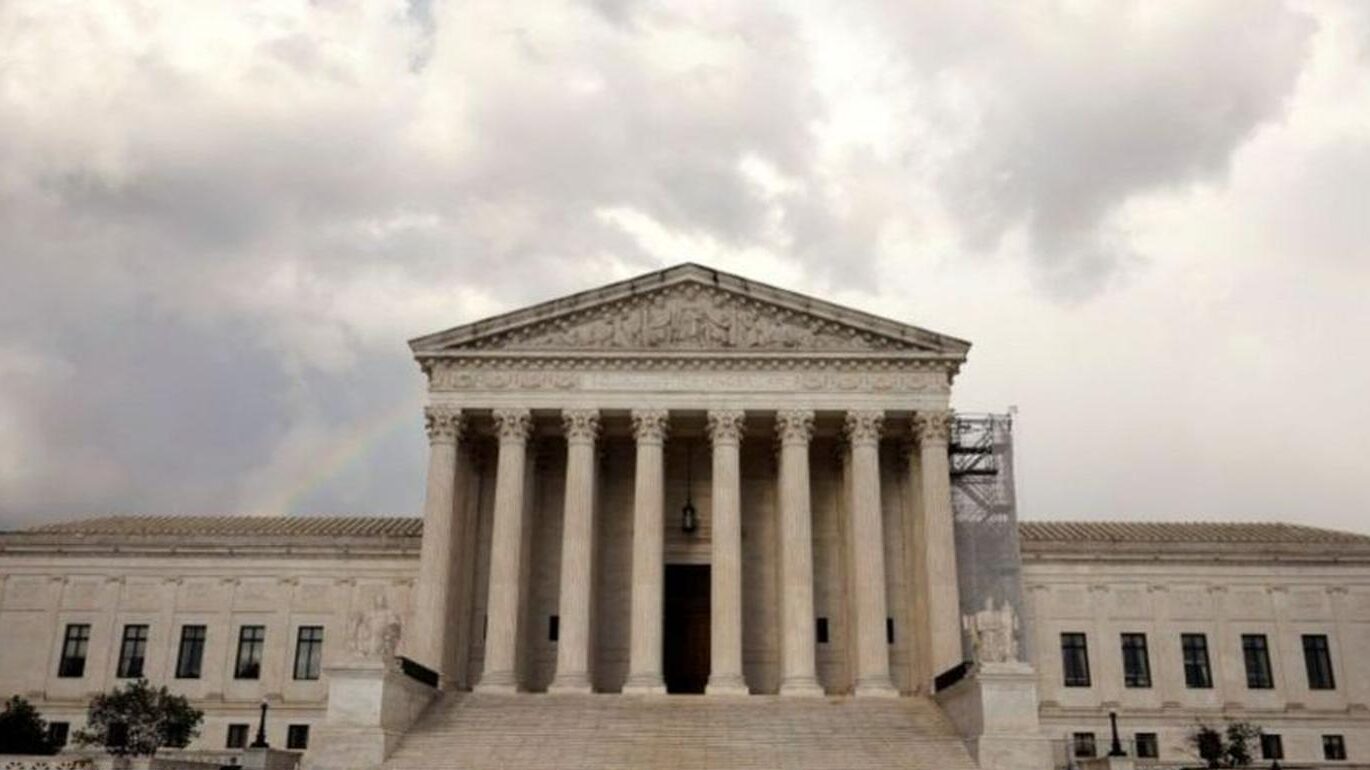
The U.S. Supreme Court has long stood as the ultimate arbiter of legal controversies, wielding influence over the trajectory of American law and governance. As the nation’s highest judicial body, it is tasked with interpreting the Constitution and resolving disputes that shape societal norms, federal policies, and individual rights. This term, the Court is addressing an array of pivotal cases that touch upon presidential authority, controversial social practices, and the limits of free speech.
Presidential Powers Under Judicial Scrutiny
One of the major themes of the Supreme Court’s current term revolves around the scope of executive power. President Donald Trump, in his return to office, has pushed the boundaries of presidential authority through unilateral policy implementations, budget cuts, and attempts to exert control over traditionally independent agencies. Central to these challenges is his effort to deploy state National Guard units against local opposition—a move that has sparked legal battles across the country.
A federal judge in Oregon recently blocked Trump’s deployment of troops to Portland, citing constitutional concerns over the balance between civil and military federal power. Legal experts anticipate that the Supreme Court may weigh in on this issue via its “shadow docket,” a controversial mechanism allowing expedited rulings without full oral arguments. Critics argue that such rulings lack transparency and undermine public accountability, while proponents view them as necessary for addressing urgent matters.
The Court is also examining broader questions of executive authority, including whether federal laws restrict a president from removing members of independent agencies and the legality of unilaterally imposed tariffs. These cases could redefine the extent to which the executive branch can influence economic and political policies without Congressional oversight.
Free Speech and Conversion Therapy Bans
Another contentious issue before the Court is the constitutionality of state bans on conversion therapy for minors. Colorado’s 2019 law prohibits licensed therapists from engaging in practices aimed at altering a child’s sexual orientation or gender identity. Critics argue that such bans infringe upon free speech rights, while supporters view them as essential for protecting vulnerable youth from harmful practices.
The case brought by Kaley Chiles, a licensed therapist in Colorado, challenges the law on the grounds that it restricts her professional speech. During oral arguments, the justices debated whether the law regulates medical conduct or discriminates against certain viewpoints. Conservative Justice Samuel Alito highlighted concerns about viewpoint discrimination, suggesting that the law favors speech encouraging minors to embrace their identities while restricting opposing perspectives.
If the Court rules against Colorado, the decision could have national implications, potentially invalidating similar bans in over 20 states. The case underscores the ongoing tension between free speech protections and state efforts to regulate healthcare practices.
Other High-Stakes Controversies
The Court’s docket also includes cases addressing voting rights, campaign finance laws, and social issues. Among these are challenges to state laws allowing extended counting of mailed ballots, bans on transgender athletes in sports, and provisions ensuring equal representation for Black voters in congressional districts.
Additionally, the Court is reviewing the legality of political candidates coordinating campaign spending, a move that could reshape the landscape of electoral politics. These cases highlight the Court’s role in defining the boundaries of political and cultural discourse in America.
The Legacy of Judicial Influence
Under Chief Justice John Roberts, the Supreme Court has become a focal point for resolving contentious issues that often transcend legal boundaries, influencing the nation’s political and social fabric. With a conservative majority, the Court has issued landmark rulings on matters ranging from abortion to environmental regulations, showcasing its capacity to shift legal precedents.
This term’s cases will further test the Court’s approach to balancing individual rights, state authority, and federal power. Observers are closely watching how the justices navigate these complex issues, particularly in light of criticisms about transparency and accountability.
The U.S. Supreme Court continues to shape the nation’s governance and societal norms through its decisions. As it addresses critical issues of executive power, free speech, and social policies, its rulings will leave a lasting impact on American legal and political landscapes.