
Quick Read
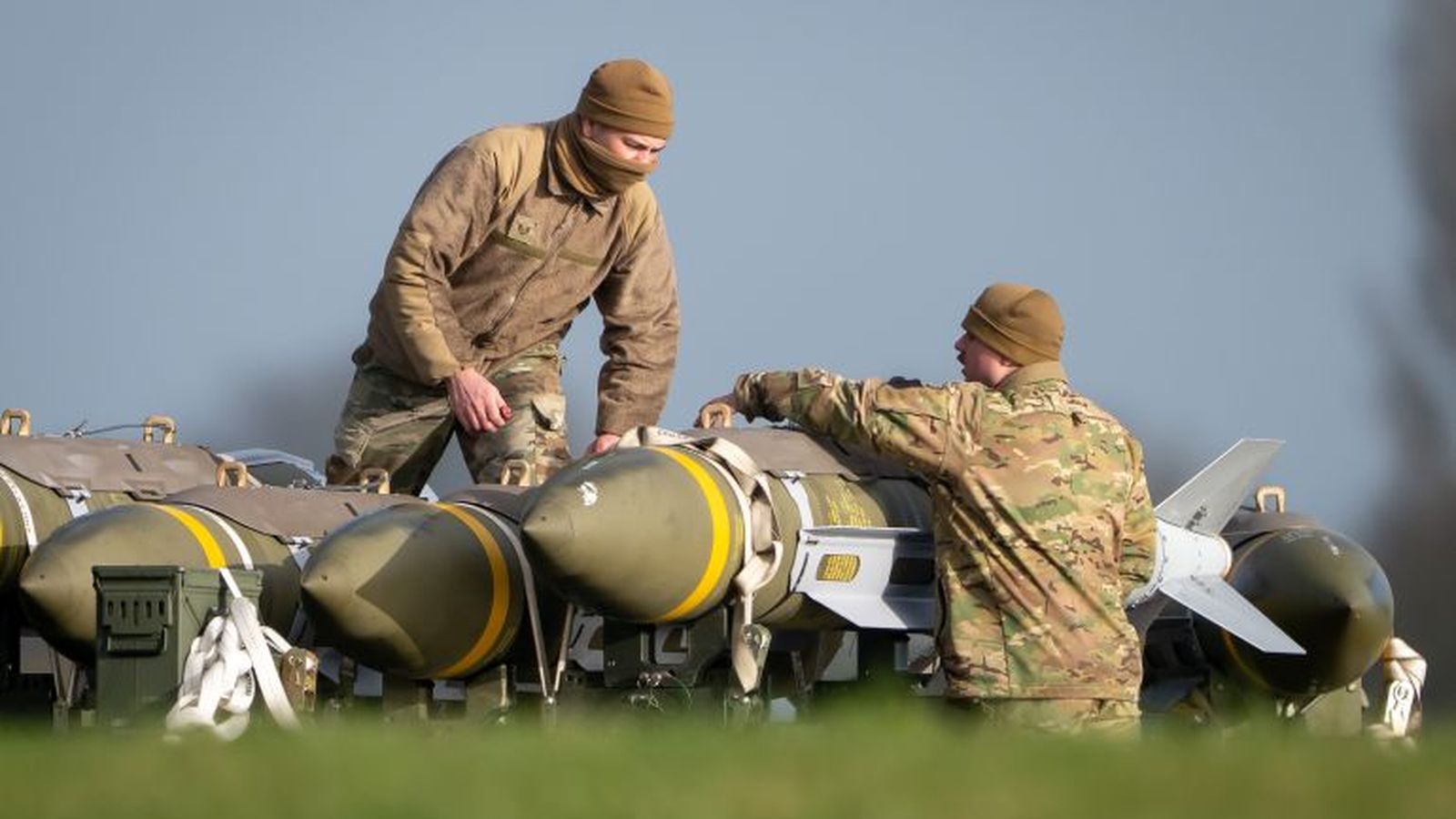
- Switzerland has halted new weapons export licenses to the U.S. citing its neutrality amid the Iran war.
- The decision includes a review of existing licenses and dual-use military goods.
- This move follows Switzerland’s rejection of U.S. military aircraft flyover requests.
BERNE (Azat TV) – Switzerland has announced a significant shift in its foreign policy, halting all new weapons export licenses to the United States due to the ongoing war in Iran. The Swiss government cited its long-standing policy of neutrality as the primary reason for the decision, which comes as the international community grapples with the escalating conflict and its global repercussions.
Switzerland’s Neutrality and Export Policy
The Swiss government stated that no new export licenses for military equipment to the U.S. have been issued since the Iran war began on February 28. This decision follows a review by a group of experts who assessed existing licenses under the country’s neutrality law. Exports of dual-use and specific military goods will also undergo regular review. Switzerland has a history of upholding its neutrality, having previously blocked allied nations from sending Swiss-made equipment to Ukraine during its conflict with Russia. The U.S. was the second-largest importer of Swiss arms in the previous year, with sales totaling $119 million.
Rejection of US Aircraft Requests
In addition to halting arms exports, Switzerland also recently rejected two U.S. requests for flyovers related to the Iran war, while permitting three others. This action underscores Bern’s commitment to maintaining a strictly neutral stance. The Swiss government’s stance has been reinforced by a similar decision from Sri Lanka, which denied a U.S. request to land two combat aircraft armed with missiles at Mattala Rajapaksa International Airport. Sri Lankan President Anura Kumara Dissanayake cited his country’s neutrality in denying the request, which was made shortly before the U.S. and Israel launched their military offensive against Iran.
Global Ramifications and Diplomatic Maneuvers
The U.S.-Israeli war on Iran has sent shockwaves across the Middle East, with Iranian missile and drone attacks impacting energy prices and raising fears of a wider conflict. U.S. President Donald Trump has been pressuring allies for increased support, while Iran has effectively closed the Strait of Hormuz, a critical global waterway. In this tense geopolitical climate, Switzerland’s decision to halt arms exports to the U.S. and its rejection of military flight requests highlight the complex pressures faced by nations seeking to maintain neutrality. Iran’s Foreign Minister Araghchi has dismissed U.S. pressure, drawing parallels to the Vietnam War, and has warned the United Kingdom against supporting Washington’s actions, placing London in a challenging diplomatic position.
Implications for International Relations
Switzerland’s decisive action in halting arms exports to the U.S. and its careful management of airspace requests reflect a principled adherence to its neutrality policy, even under significant international pressure. This move, alongside Sri Lanka’s similar denial of U.S. military aircraft access, signifies a growing trend among nations to assert their independent foreign policy positions in the face of major power conflicts. The convergence of these events illustrates how the current geopolitical landscape is compelling even traditionally neutral actors to make consequential choices, potentially reshaping traditional alliances and diplomatic engagements.