
nutrition
-

Is Brown Rice Truly Healthier? New Study Highlights Arsenic Risks
While brown rice is celebrated for its nutrients, a new study reveals it contains significantly more inorganic arsenic than white rice, raising health concerns.
-

Inulin Fiber: A Promising New Treatment for Food Allergies
The University of Michigan-led study introduces a breakthrough in food allergy treatment through the use of inulin gel-based oral immunotherapy. This research highlights significant potential in addressing the root causes of food allergies, moving beyond merely managing symptoms to establishing…
-

Cocoa and Green Tea: Potential Shields Against Fatty Food-Induced Stress Effects
A groundbreaking study from the University of Birmingham reveals that consuming flavanol-rich cocoa or green tea may protect the body’s vascular system during periods of stress, even after eating high-fat foods. This research highlights a natural way to mitigate the…
-

Plant-Based Diet: A Potential Weapon Against Lp(a) and Heart Disease?
Lp(a), a lesser-known type of cholesterol, poses a significant threat to heart health, often lurking undetected even when LDL (“bad”) cholesterol levels are under control. Elevated Lp(a) levels dramatically increase the risk of heart attacks and strokes, but genetics primarily…
-
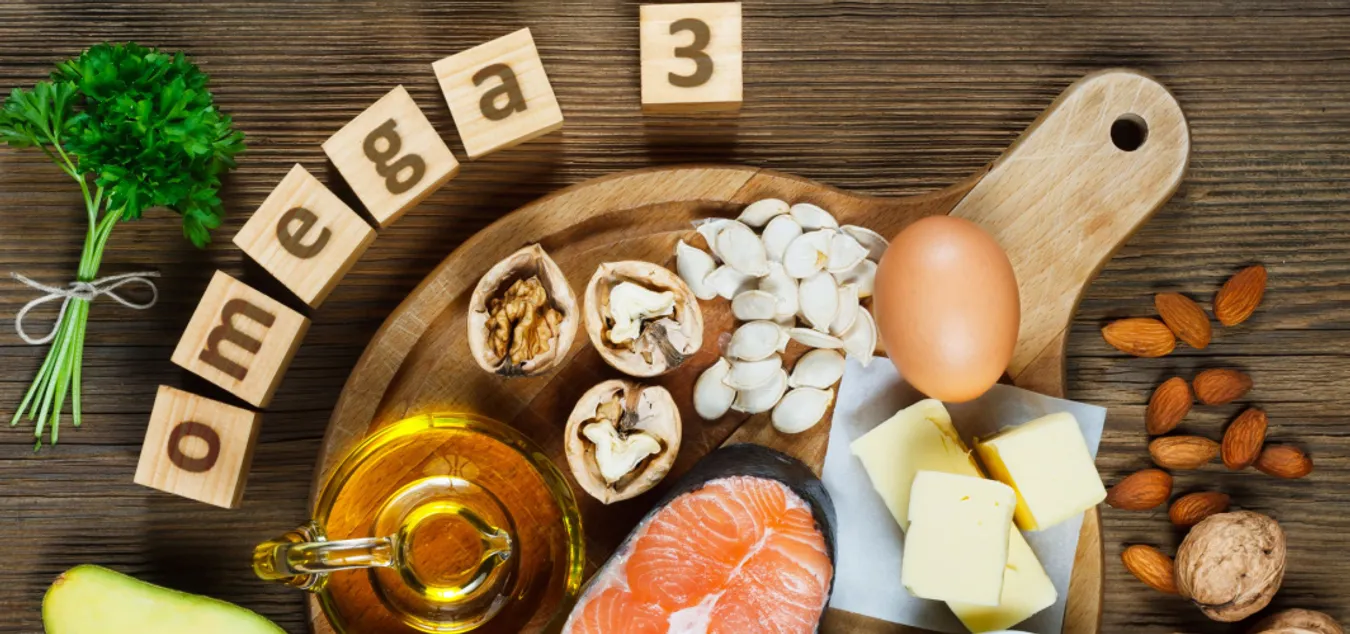
Omega-3s and Vegetarians’ Stroke Risk. EPIC-Oxford study
Recent findings from the EPIC-Oxford study have sparked discussions in the health and nutrition community about the paradoxical health risks associated with vegetarian diets. While vegetarianism is linked to a lower risk of heart disease, researchers discovered that it may…
-
The Vitamin D Dilemma: Could It Explain the Higher Stroke Risk in Vegetarians?
A recent study, the EPIC-Oxford study, has presented a perplexing finding: while vegetarians enjoy a lower risk of heart disease, they may face a higher risk of stroke. This unexpected outcome has left researchers searching for explanations, and one potential…
-

Quinoa: The Tiny Seed That Could Slash Your Triglycerides
Quinoa, a “superfood” renowned for its nutritional prowess, may hold a powerful secret: the ability to significantly lower triglycerides, a type of fat found in the blood that can increase the risk of heart disease. This ancient seed, enjoyed for…
-

Power of Plants: Can Diet Help Reverse Autoimmune Diseases?
A growing body of evidence suggests that dietary interventions, particularly those focused on plant-based foods, may hold significant potential for managing and even reversing autoimmune diseases. Autoimmune diseases, like lupus and Sjogren’s syndrome, occur when the body’s immune system mistakenly…