
Quick Read
- Ted Cruz is reportedly considering a 2028 presidential run as a non-MAGA alternative.
- Cruz faces Vice President JD Vance, who leads GOP polling and commands the MAGA base.
- Cruz’s interventionist foreign policy and party divisions could challenge his candidacy.
Ted Cruz Positions Himself for a 2028 Presidential Run
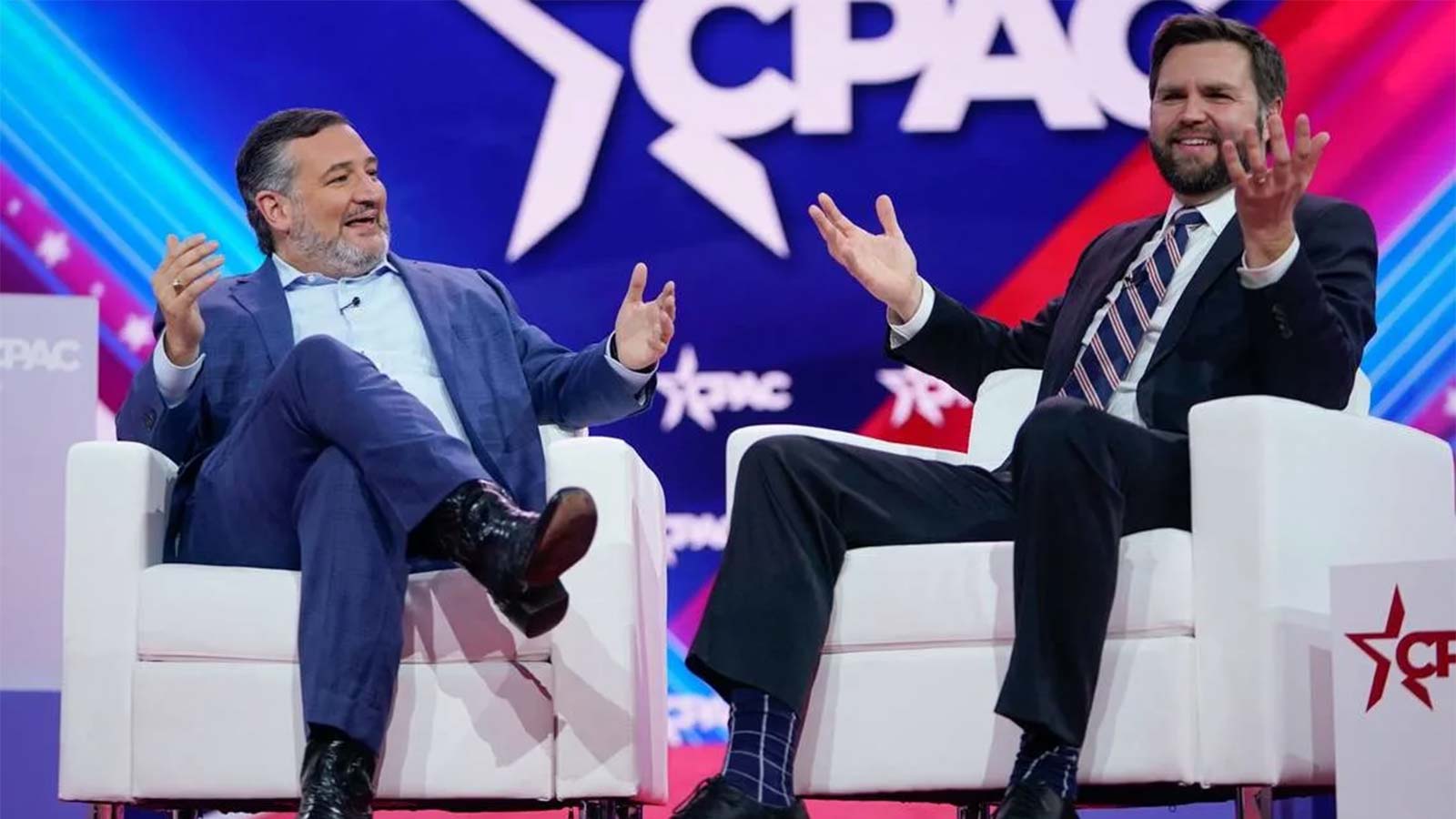
Texas Senator Ted Cruz is once again in the national spotlight, this time as speculation intensifies about his potential bid for the presidency in 2028. According to recent reports from The Independent and The Daily Beast, Cruz is ‘seriously’ considering entering the race, positioning himself as a non-MAGA alternative to Vice President JD Vance, who is widely viewed as the natural successor to Donald Trump.
This would mark Cruz’s second attempt at the White House, after his high-profile campaign in 2016, when he was the last major challenger to Trump in the GOP primary. Now 55, Cruz faces a dramatically different Republican landscape. The party is preparing for its first presidential contest in over a decade without Trump at the top of the ticket—a moment loaded with uncertainty, opportunity, and fierce competition.
Inside the Republican Divide: MAGA vs. Traditional Conservatives
Central to Cruz’s potential campaign is the deepening divide within the Republican Party. On one side stands JD Vance, the current vice president, who leads most polling and commands the loyalty of the party’s younger, more radical MAGA base. On the other is Cruz, who has built his reputation on interventionist foreign policy and a willingness to challenge both the party establishment and Trump-era populism.
Allies of Cruz, such as Morton Klein of the Zionist Organization of America, say the senator is fielding calls from supporters encouraging him to run. Yet, there’s skepticism about his chances. Daron Shaw, a political science professor at the University of Texas, told The Independent, “Can Ted help craft or meld together the traditional Republican approach with the new reality of what the Republican Party is now? It’s a heavy lift.”
The skepticism isn’t limited to analysts. Outgoing Georgia Rep. Marjorie Taylor Greene, once a MAGA ally, was blunt: “There’ll be Ted Cruz, I’m sure, running against JD Vance. All of us hate Ted Cruz.” This sentiment underscores the challenge Cruz faces in uniting a party fractured by ideological battles and personal rivalries.
Feuds and Public Clashes: Cruz vs. Conservative Media
Cruz’s political journey since 2016 has been marked by attempts to reinvent himself. He launched his own podcast and has worked to build a brand that appeals to younger Republicans—an audience that overwhelmingly favored Trump over Cruz in the last contested primary. But his path hasn’t been smooth.
One of the most visible feuds has been with Tucker Carlson, a conservative media figure who left Fox News and now hosts an independent show. Their on-air clash earlier in 2025 was widely discussed: Carlson grilled Cruz on foreign policy, including U.S. interventions in Iran and Venezuela, and challenged his expertise and judgment. The exchange, particularly Carlson’s questioning of Cruz’s knowledge about Iran’s population, went viral and highlighted the senator’s vulnerability among right-wing audiences seeking authenticity and hard facts.
Cruz’s foreign policy stances—including support for military buildups near Venezuela and campaigns against drug smuggling in the Caribbean—have won little favor with the MAGA base. Many view these positions as too interventionist, a sharp contrast to the isolationist tendencies that have gained traction in the party since Trump’s rise.
Behind the Scenes: Donor Politics and Strategic Moves
As Cruz considers his next steps, he’s reportedly been privately critical of JD Vance to major donors, according to The Daily Beast. The senator appears to be laying the groundwork for a bruising primary showdown, hoping to leverage his experience and connections within traditional Republican circles.
Yet, donors and party insiders question what Cruz’s platform would be in a Vance-dominated race. “I just don’t understand what the platform [Cruz] would be,” said one party insider. “The platform would be, ‘I’m Ted, and that’s JD?’” Such comments reflect broader doubts about whether Cruz can articulate a compelling vision that bridges the party’s old guard and its new MAGA base.
There’s also the matter of intra-party alliances. Figures like Steve Bannon, who have long sought to push the party away from interventionism, may be forced to choose between Vance’s populism and Cruz’s more traditional conservatism—or back a third option entirely.
The Road Ahead: A Long-Shot Bid?
With the 2028 election cycle approaching, Cruz’s chances remain uncertain. His strong ties to traditional conservatism could help him among older Republicans, but winning over younger voters and the MAGA faction looks increasingly difficult. The Republican Party itself is at a crossroads, wrestling with its identity and future after a decade dominated by Trump.
If Cruz does run, the contest will likely be shaped by ideological clashes, media battles, and the struggle to define what it means to be a Republican in the post-Trump era. Whether Cruz can overcome skepticism from both donors and voters—and whether he can survive public feuds with influential conservatives—remains to be seen.
Based on current reporting from The Independent and The Daily Beast, Ted Cruz’s potential 2028 presidential run highlights the Republican Party’s ongoing struggle to reconcile its past with its future. Cruz faces formidable obstacles, not only from MAGA loyalists and Vice President JD Vance, but also from within the fractured party itself. Unless Cruz can bridge the ideological divide and present a compelling alternative, his bid may remain an uphill battle in a rapidly changing political landscape.