
Quick Read
- Tel Aviv Stock Exchange indices turned negative and the shekel weakened on Friday, February 27, 2026.
- The market shift followed a U.S. travel advisory and the launch of joint U.S.-Israeli military operation “Roaring Lion” against Iran.
- Israeli officials reported the killing of Iran’s Supreme Leader Ali Khamenei and other senior military figures in the strikes.
- Disruptions in the Strait of Hormuz and widespread cyberattacks accompanied the military operations.
- Despite immediate volatility, investors have historically shown resilience, with TASE often delivering excess returns post-conflict.
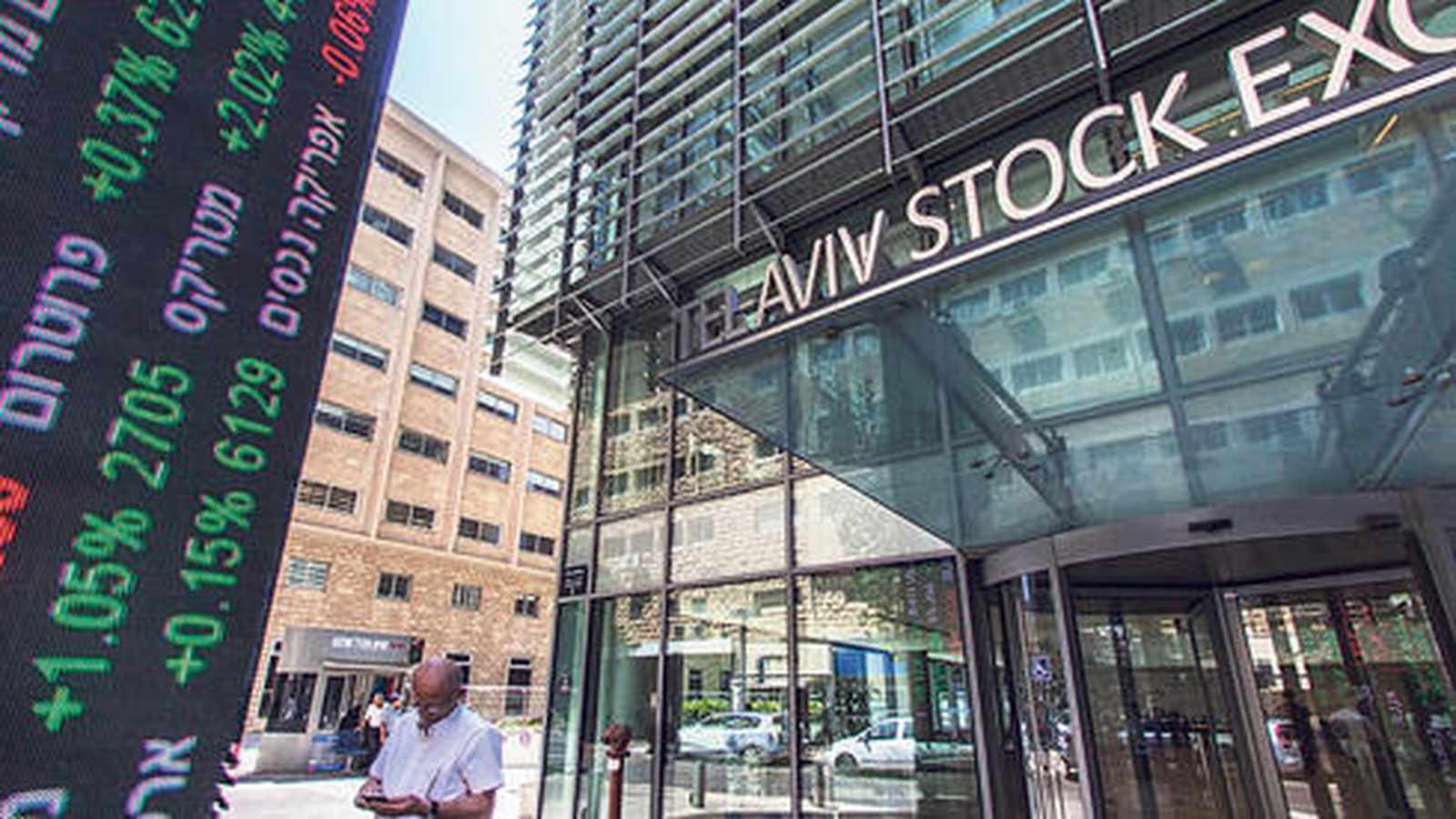
TEL AVIV (Azat TV) – The Tel Aviv Stock Exchange (TASE) experienced significant volatility on Friday, February 27, 2026, with leading indices turning negative and the Israeli shekel weakening against major currencies. This market reaction followed an updated U.S. travel advisory for Israel, which authorized the departure of non-essential government employees and their families due to heightened security risks, coinciding with the launch of a major joint U.S.-Israeli military operation against Iran, dubbed “Operation Roaring Lion.” The developments have prompted investors to reassess the short-term economic impact of the escalating regional conflict, even as some anticipate a long-term reduction in geopolitical risk.
Immediate Market Reaction: Shekel and TASE Performance
On Friday, the Israeli currency, the shekel, saw a notable depreciation, with the dollar strengthening by 0.4% against it, trading at 3.14 shekels. This move occurred contrary to a slight global weakening of the U.S. currency, indicating specific pressure on the shekel. Concurrently, the leading indices on the Tel Aviv Stock Exchange initially turned negative, though they showed some recovery later in the day. This immediate downturn reflects investor apprehension regarding the direct and indirect economic consequences of an intensified conflict in the Middle East.
Geopolitical Triggers: US Advisory and Operation Roaring Lion
The market’s immediate negative shift was directly linked to the U.S. State Department’s travel advisory update, which cited rising tensions with Iran as the primary reason for authorizing the departure of non-essential personnel from its mission in Israel. This advisory sent a clear signal of escalating risk to international markets. Hours after the advisory, Israel and the United States launched “Operation Roaring Lion,” a coordinated military campaign against Iran. The operation involved an unprecedented deployment of approximately 200 Israeli fighter jets, striking around 500 targets across Iran, including missile arrays, air defense systems, and critical regime infrastructure. Reports from CTech and Ynet confirmed explosions in Tehran and other Iranian cities, with Israeli officials stating that the strikes targeted senior military and defense leadership, including Supreme Leader Ali Khamenei, who was reportedly killed in an IDF strike.
Investor Sentiment: TASE Resilience and Future Outlook
Despite the immediate volatility, historical patterns suggest a complex dynamic for the Israeli market during conflicts. In previous confrontations, the Tel Aviv Stock Exchange has often delivered excess returns relative to global markets within a year after hostilities concluded. More recently, the TASE had been on a strong upward trajectory since the October 7 war and following a previous direct confrontation with Iran in June during “Operation Rising Lion.” During that earlier campaign, Israeli equities rose even as fighting was ongoing, reflecting investor expectations that military operations could ultimately reduce the Iranian threat. Amit Attar, Deputy CIO at More Mutual Funds, stated that the recent rally on the Tel Aviv Stock Exchange reflected investor expectations that a confrontation with Iran could ultimately reduce geopolitical risk. He noted that the market had already priced in a scenario of reduced Iranian risk, and now investors are watching to see if this scenario materializes or if the current conflict represents a fundamentally different economic and financial landscape.
Broader Conflict Implications: Energy and Cyber Risks
The wider implications of the conflict extend beyond Israel’s borders, impacting global markets. Energy markets are bracing for fallout, particularly due to disruptions in shipping through the Strait of Hormuz. Following warnings from Iran’s Revolutionary Guards, insurers began canceling coverage and sharply raising premiums for Western-flagged vessels, bringing shipping to a near standstill and increasing the risk of disruption to global energy supplies, as reported by the Financial Times. Concurrently, a wave of cyber-enabled operations accompanied the U.S.-Israeli strikes, targeting Iranian apps, websites, and internet access, further highlighting the multi-dimensional nature of the conflict. Israel had also quietly upgraded its critical missile defense layer, David’s Sling, to cope with a wider range of complex and challenging scenarios, including ballistic missiles, providing a perceived layer of defense against potential retaliatory attacks.
The confluence of immediate market jitters following the U.S. travel advisory and the onset of a large-scale military operation against Iran underscores the delicate balance between short-term economic instability and long-term investor expectations for regional de-risking. The TASE’s performance in the coming weeks will likely serve as a key indicator of how capital markets process the evolving geopolitical landscape, weighing the costs of conflict against the potential for a perceived reduction in enduring threats.