
Quick Read
- TfL has awarded an eight-year, £3bn London Overground contract to First Rail London, beginning May 2026.
- Passengers will see more peak-time trains on the Mildmay and Windrush lines, plus infrastructure upgrades and improved station security.
- The concession model keeps revenue risk with TfL; First Rail London will manage operations and customer service.
- Unions criticize the decision for privatizing operations, contrary to the government’s rail renationalisation agenda.
- Sustainability targets include reducing 90% of emissions by 2030, as the network operates entirely electric trains.
London Overground Set for Major Overhaul Under TfL’s £3bn Deal
In a move that signals both transformation and tension in London’s rail sector, Transport for London (TfL) has awarded an eight-year, £3 billion contract to First Rail London (FRLL), a subsidiary of FirstGroup, to operate the London Overground network. This landmark concession, one of the largest rail tenders in the UK in the past decade, promises expanded services and upgrades—but not without controversy.
What Changes Are Coming for Passengers?
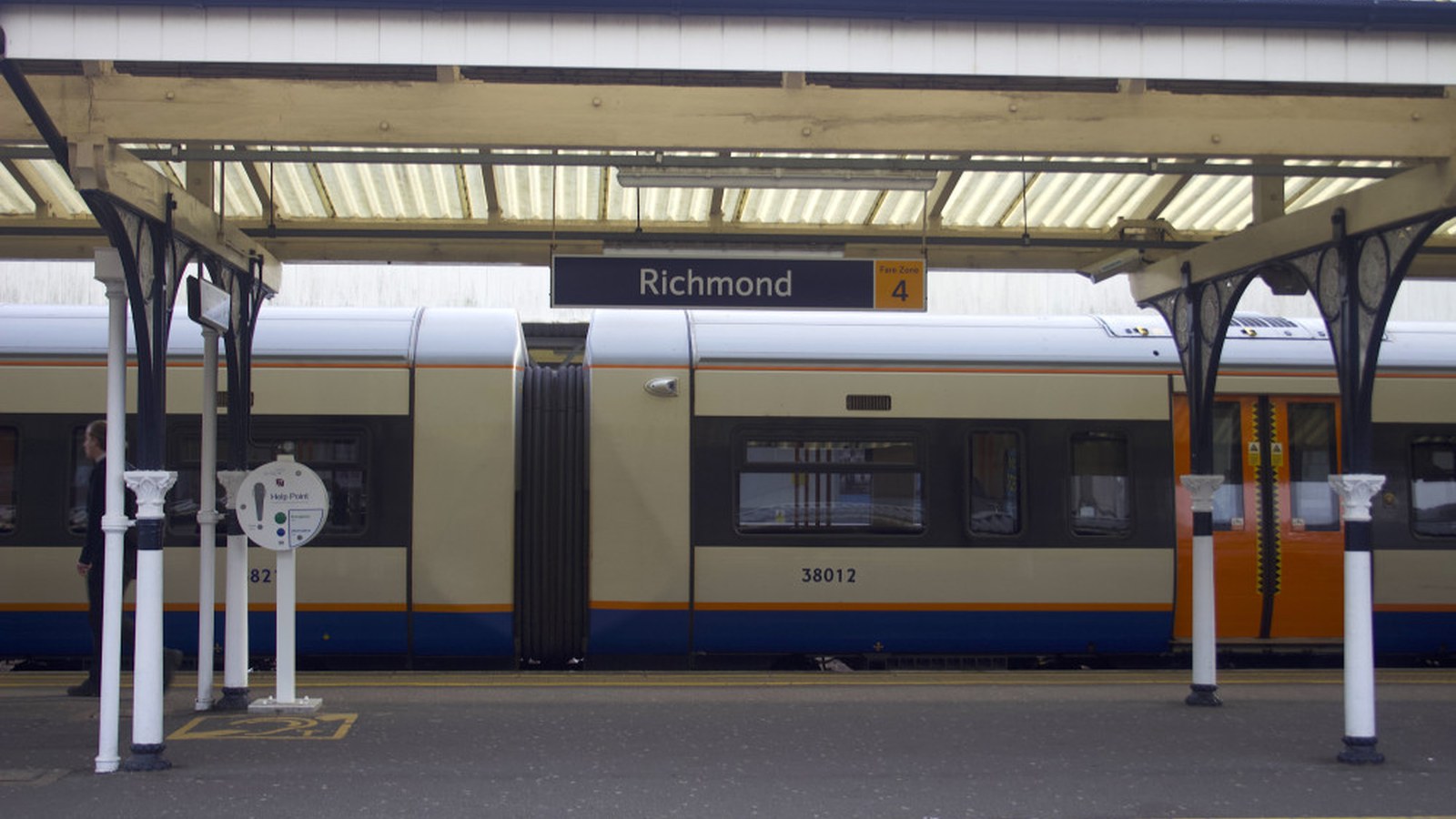
For millions of Londoners who rely on the Overground, the most immediate impact will be felt in the frequency and reliability of trains. Starting May 2026, extra peak-time trains will be added to the Mildmay line, which links Stratford and Richmond, including shuttle services between Clapham Junction and Shepherd’s Bush. By December 2026, the Windrush line (connecting Highbury & Islington to West Croydon, Clapham Junction, New Cross, and Crystal Palace) will see its core section boosted to 18 trains per hour—an increase designed to tackle congestion and improve punctuality.
Beyond more trains, TfL and FRLL have outlined a suite of improvements: upgraded station help points and CCTV for enhanced security, targeted infrastructure upgrades on the Mildmay line to reduce delays, and expanded digital displays for live travel updates. Passengers can expect more seamless information about train, bus, and interchange services across all operator-managed stations. The company also promises stronger collaboration with Network Rail and Alstom, the manufacturer of Overground trains, to ensure operational excellence.
Why Was First Rail London Chosen?
Competition for the contract was fierce, with four private companies bidding for the chance to run the Overground. TfL’s decision was influenced by First Rail London’s commitment to service enhancements, its experience in rail operations, and a contract model that keeps revenue risk with TfL while allowing the operator to manage train operations, station services, and customer relations. The contract includes a performance guarantee of €35 million and a corporate guarantee of €95 million, underscoring FirstGroup’s financial and operational accountability.
FirstGroup is already a familiar name in London, operating buses, trams, and the London Cable Car. With the Overground added to its portfolio, the company’s footprint in the capital’s transport ecosystem will be significant. Graham Sutherland, FirstGroup CEO, noted: “London Overground has greatly improved connectivity in London, with around four million passengers now using the service every week. We are delighted to have been named as the preferred operator for the service from next May and look forward to welcoming employees who will be joining the group and to play our part in the success of this vital rail network.”
Public vs. Private: The Debate Intensifies
Not everyone is celebrating. The RMT union has voiced strong opposition to the move, arguing that it contradicts the current government’s renationalisation agenda. Eddie Dempsey, RMT general secretary, declared: “Despite the Mayor saying he backs public ownership of rail, the London Overground is being re-privatised on a lucrative eight-year deal that puts profit before passengers. Transport in London is being turned into a haven for exploitative outsourcing and privatisation and RMT will not accept it.”
TfL, for its part, says it thoroughly considered bringing Overground staff—including 550 drivers—in-house, but ultimately determined that the concession model remains the most cost-effective and high-performing approach. As TfL’s finance committee put it, the current approach “continues to offer the best way of delivering a high performing and cost-effective London Overground operation.”
Legacy, Sustainability, and the Road Ahead
Arriva Rail London, the outgoing operator, leaves behind a strong track record, having overseen the Overground’s rebranding into six distinct lines—Mildmay, Windrush, Lioness, Weaver, Liberty, and Suffragette—and the launch of the Night Overground and Barking Riverside extension. Under Arriva, the network grew to 182 million annual passengers and was consistently rated among the best in the country for punctuality and reliability. However, TfL’s recent reports indicate a decline in the key “public performance measure,” making the case for renewed investment and management.
Looking to the future, sustainability is front and center. As an all-electric network, the Overground is poised to help TfL meet its ambitious goal of reducing 90% of Scope 1 and 2 emissions by 2030. FirstGroup’s role will be to integrate these environmental priorities into daily operations, further solidifying the Overground’s reputation as a green transport backbone for the city.
Financial Structure and Risk
The contract is structured so that TfL retains all revenue risk, meaning fluctuations in passenger numbers or fare income are absorbed by the public authority, not the private operator. Analysts at RBC Capital Markets have called this a “low-risk deal” for FirstGroup, offering the potential for stable returns over the contract’s lifespan. Meanwhile, FRLL will also oversee retail units at Overground stations, with the right to keep income from these spaces—an incentive to enhance and exploit additional revenue opportunities.
FirstGroup’s experience in running Avanti West Coast, Great Western Railway, Hull Trains, and Lumo provides a robust foundation for its latest London venture. However, as Avanti and GWR are slated for renationalisation, the tension between public control and private operation remains a central question for the future of UK rail.
With 113 stations and over 1,600 train services operated on weekdays, the Overground is a lifeline for London’s commuters. As FRLL prepares to take the reins, the promise is clear: more trains, better stations, and a renewed focus on passenger experience. Whether these improvements will outweigh the concerns over privatisation is a story Londoners will watch unfold over the next decade.
Ultimately, TfL’s choice to stick with a private operator for the London Overground highlights the persistent debate over public versus private management in British rail. While the new contract promises tangible upgrades and environmental gains, the backlash from unions and public ownership advocates signals that the battle over who should run—and profit from—London’s transport network is far from settled.