
Quick Read
- RCMP have arrested a third suspect—a 17-year-old—in connection with the quadruple homicide on Carry the Kettle Nakoda Nation, Saskatchewan.
- All three suspects, including two minors, are charged with four counts of first-degree murder; one is also charged with attempted murder.
Third Arrest Made in Saskatchewan Quadruple Homicide Case
In a case that has gripped Saskatchewan and echoed across Canada, the Royal Canadian Mounted Police (RCMP) have announced the arrest of a third suspect in connection with the shocking quadruple homicide that occurred in February 2025 on Carry the Kettle Nakoda Nation, a First Nation community east of Regina. The arrest signals a major development in an investigation that has been both complex and emotionally charged for the local community and the nation at large.
Victims and Community Impact
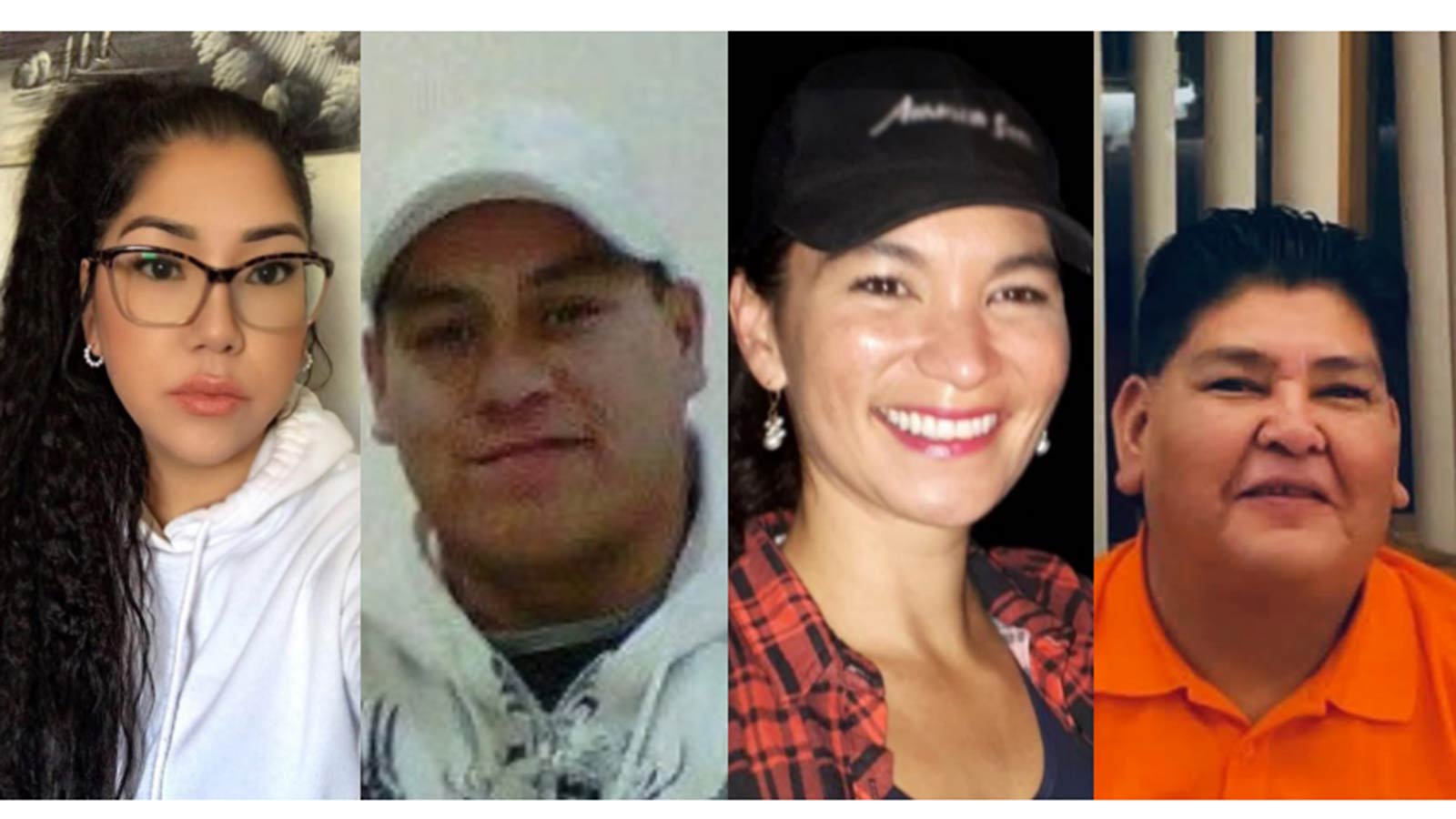
The tragedy unfolded with the deaths of four individuals: Tracey Hotomani, 34, Terry Jack, 51, Sheldon Quewezance, 44, and Shauna Fay, 47. Their loss left the Carry the Kettle Nakoda Nation reeling, as families and friends struggled to come to terms with the violence that erupted in their midst. Community leaders spoke of the pain and the urgent need for justice, while local residents organized vigils and support groups to help each other cope.
For many, the incident was more than just a headline. It was a stark reminder of the challenges faced by some Indigenous communities, including issues related to violence, youth involvement in crime, and the broader societal factors that can lead to such devastating outcomes. Each victim’s story added a layer of heartbreak, with loved ones recalling their roles as caregivers, friends, and contributors to the fabric of the Nation.
Details of the Investigation
According to Global News Edmonton, the RCMP’s latest arrest involves a 17-year-old boy, who now faces four counts of first-degree murder and one count of attempted murder after an altercation with a fifth person at the scene. This development follows the earlier arrests of a 15-year-old boy and an 18-year-old man, who were taken into custody shortly after the February incident and similarly charged with four counts of first-degree murder.
Law enforcement officials have remained tight-lipped about specific motives, citing the ongoing nature of the investigation and the need to protect the integrity of the process. However, they have confirmed that all suspects are known to each other, and that the crime was not random. The charges—among the most serious in Canadian criminal law—reflect the gravity of the events and the RCMP’s commitment to pursuing accountability.
The Legal Road Ahead
With three suspects now facing charges, the legal proceedings are expected to be lengthy and closely watched. The involvement of minors adds layers of complexity, as Canadian law provides certain protections and considerations for youth offenders. The cases will likely test the limits of the justice system’s ability to balance community safety, rehabilitation, and the rights of the accused.
As the case moves forward, families of the victims are seeking closure, while advocates for Indigenous rights and community safety are calling for broader reforms. The deaths have reignited discussions about the need for increased resources, mental health support, and violence prevention measures on First Nations across Canada.
Broader Context: Violence on First Nations
This tragedy is part of a troubling pattern of violence affecting some Indigenous communities in Canada. Factors such as historical trauma, poverty, and systemic barriers have all played a role in creating environments where violent incidents can occur. Local leaders and national organizations have repeatedly called for government action, emphasizing that justice for the victims must be paired with long-term solutions to prevent future tragedies.
Community members are determined to honor the memories of those lost by advocating for change. Candlelight vigils and memorial services have become moments not just of mourning, but of resolve—to demand safer communities and to support each other through the healing process.
What’s Next?
As of December 2025, the RCMP continues its investigation, and further details may emerge as the suspects proceed through the legal system. The case remains under close scrutiny, not only for its immediate impact but for what it reveals about the broader challenges facing First Nations in Saskatchewan and beyond.
Ultimately, while the arrest of a third suspect marks a significant step forward in the pursuit of justice, the journey for the victims’ families and the Carry the Kettle Nakoda Nation is far from over. Their calls for accountability and lasting change will likely shape community discussions and policy debates in the months to come.
The facts of this case underscore the urgent need for both justice and systemic reform. The involvement of multiple young suspects in such a grave crime points to deeper social issues that demand attention—not just from law enforcement, but from policymakers and community leaders committed to building safer, more resilient communities.