
Quick Read
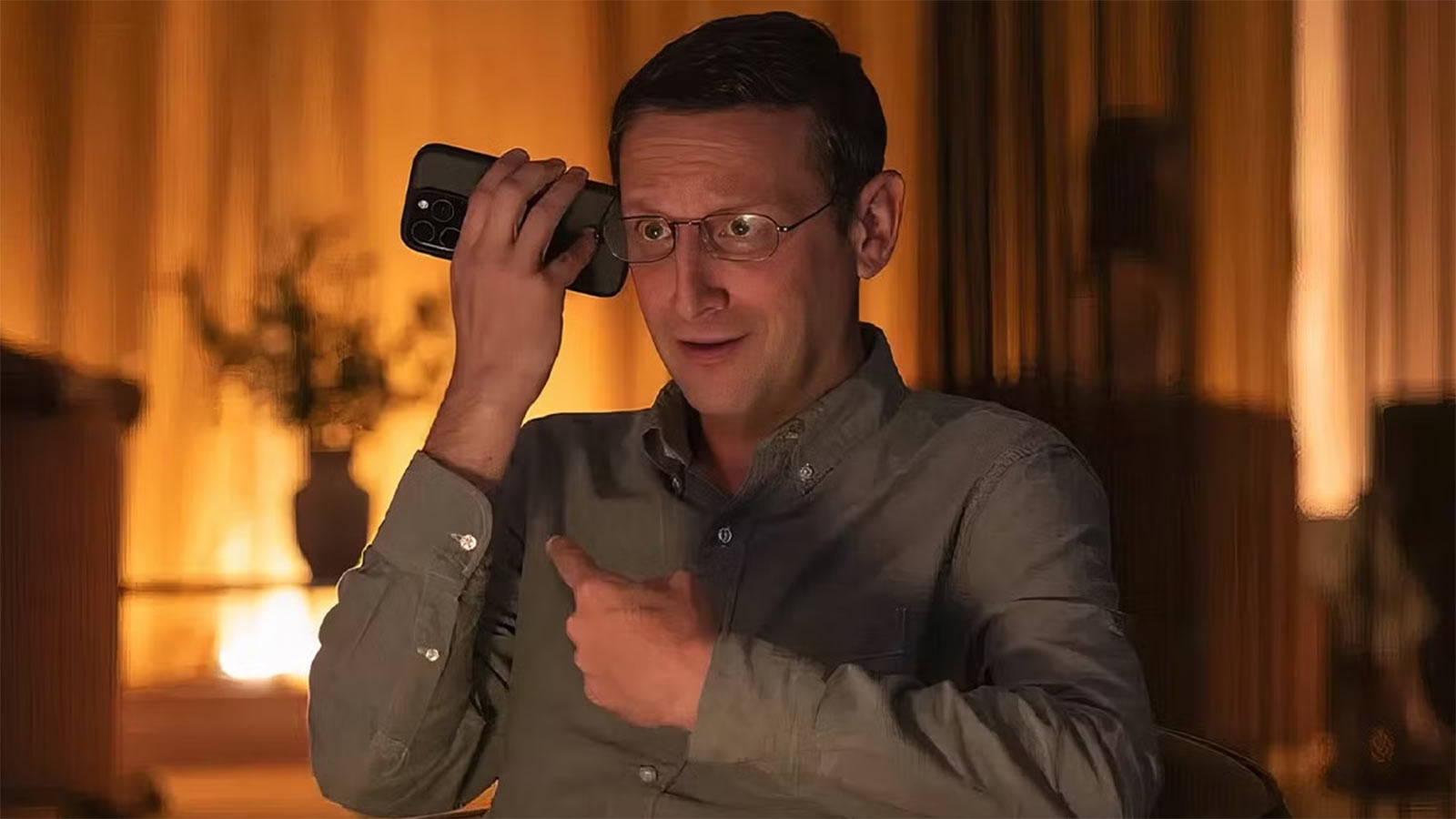
- Tim Robinson stars as Ron Trosper, a project manager plagued by workplace humiliation.
- The Chair Company blends surreal, cringe comedy with deeper narrative threads.
- Directed by Andrew DeYoung, the HBO series builds suspense and humor from everyday absurdities.
- The premiere explores paranoia, family tension, and the consequences of minor indignities.
- Future episodes promise more character depth and comedic discomfort.
Tim Robinson’s Comedy Evolution: From Sketches to Serial Storytelling
Tim Robinson has never been just another comedian. He’s a craftsman of discomfort, a maestro of the awkward pause, and with the premiere of HBO’s The Chair Company, he cements his reputation for pushing the boundaries of cringe comedy. For fans who have followed his trajectory from Saturday Night Live to Detroiters and the cult sensation I Think You Should Leave, Robinson’s move to HBO is more than a platform shift—it’s an evolution in storytelling.
The series, co-created with Zach Kanin and directed by Andrew DeYoung, opens with “Life Goes By Too F**king Fast, It Really Does,” a title that sets the tone for what’s to come: an experiment in stretching the surreal and discomforting style of Robinson’s sketches into the fabric of serialized television. It’s both a risk and a reward for viewers who crave comedy that doesn’t just elicit laughs but gnaws at the edges of their comfort zones.
Meet Ron Trosper: The Quintessential Robinson Protagonist
At the center of The Chair Company is William Ronald “Ron” Trosper (Robinson), a middle-aged project manager at Fisher Robay, newly appointed to lead a mall development in Canton, Ohio. Ron is a familiar Robinson archetype: anxious, easily embarrassed, and perpetually convinced that some shadowy “they” is out to get him. His world is populated by family—his wife Barb (Lake Bell), athletic son Seth (Will Price), and daughter Natalie (Sophia Lillis), who is on the brink of marriage—but connection eludes him.
The premiere wastes no time establishing Ron’s fragile sense of self. During a dinner celebrating his new contract and Natalie’s wedding, Ron gets hung up on the semantics of what qualifies as a “mall,” bickering with a waitress over definitions. It’s a small moment, but one that reveals the depth of his neuroses and the show’s commitment to mining humor from discomfort.
A Catastrophic Chair and the Spiral of Paranoia
The pivotal event comes during a high-stakes corporate presentation. Ron, introduced with awkward fanfare by his boss Jeff Levjam (Lou Diamond Phillips), delivers a triumphant speech—only for his chair to collapse beneath him in front of the entire company. The humiliation is compounded by a fleeting, accidental glimpse up a coworker’s skirt, a moment that will haunt him for the rest of the episode.
Robinson’s performance is a masterclass in mortification. He tries to laugh off the incident, blaming it on overeating Cheeze-Its, but the embarrassment lingers. At work, the incident becomes office fodder. Ron’s colleagues, including the eccentric bubble-necklace-wearing Douglas (Jim Downey), poke fun while Ron attempts to regain control. He fixates on the broken chair, tracing its origins to the mysterious manufacturer “Tecca.” His investigation—peppered with attempts to contact Tecca, take photos of the discarded chair, and stage incidents for legal leverage—spirals into a near-conspiracy thriller, shot in jittery, surveillance-style cinematography that amplifies Ron’s paranoia.
Absurdity in the Details: Character Moments and Office Culture
The Chair Company doesn’t just rely on big set pieces; it thrives in the odd, granular moments. The custodian’s obsession with distinguishing between an “inside wheelbarrow” and an “outside wheelbarrow” is classic Robinson, a mundane detail elevated to comedic gold. Ron’s attempts to manipulate office dynamics—whether by distracting elderly Doris from her chair or scolding a coworker for blowing bubbles—are desperate, pathetic, and painfully real.
The show also teases larger mysteries. The Trosper name, a recurring motif in Robinson and Kanin’s work, remains unexplained, and hints about Ron’s past—a failed outdoor excursion company and a mortgage spent on a single rope bridge—add layers to his anxiety. These breadcrumbs suggest that The Chair Company intends to build out its world beyond the initial cringe, offering viewers a reason to return each week.
A Surreal Descent: From Workplace Drama to Psychological Thriller
As Ron’s obsession grows, so does the show’s commitment to the surreal. His visit to Tecca’s address yields only an empty building, a copier, a giant inflatable red ball, and a magazine of graphic pornography—images that unsettle as much as they amuse. The atmosphere is thick, the score oscillating between paranoid electronic tones and nostalgic ’70s tracks by Jim Croce and George Benson.
The episode crescendos with Ron being confronted in a parking lot by a stranger who warns him to stop investigating. In a scene both tense and ridiculous, Ron chases the man, only for him to escape by shedding his shirt. The unresolved confrontation leaves Ron—and the audience—dangling between comedy and genuine suspense.
Cringe Comedy, Family Tension, and the Promise of More
Beneath the layers of embarrassment and surrealism, The Chair Company finds moments of real emotion. Ron’s slideshow for Natalie, set to “I Have A Name,” is unexpectedly touching, a brief respite from the relentless awkwardness. But even these moments are tinged with the anxiety that defines Robinson’s work—memories of the past colliding with the humiliation of the present.
The premiere suggests that the show’s true strength lies in its ability to weave cringe, absurdity, and pathos into a coherent narrative. The world of The Chair Company is one where every interaction is fraught, every object a potential trigger for disaster, and every attempt at connection is undermined by insecurity.
What Makes Tim Robinson’s HBO Debut Stand Out?
For viewers familiar with Robinson’s previous work, the DNA of I Think You Should Leave is unmistakable. But what distinguishes The Chair Company is its willingness to linger, to explore the consequences of humiliation and paranoia over time. The show’s serial format allows for deeper character development, more intricate narrative threads, and a richer emotional palette.
Robinson’s onscreen persona remains consistent: the middle-aged man undone by the minor indignities of everyday life. But with the expanded storytelling real estate of HBO, those minor indignities become gateways to larger mysteries and more profound discomfort. The premiere is both an homage to Robinson’s sketch roots and a bold step into serialized, narrative-driven comedy.
Looking Ahead: The Chair Company’s Comic Potential
If the first episode is any indication, The Chair Company is poised to become one of the most innovative comedies of the year. It’s a show that rewards patience, attention to detail, and a high tolerance for secondhand embarrassment. For fans of surreal, cringe-driven humor, it’s lightning in a bottle.
Reuters and The A.V. Club have noted the show’s unique blend of narrative ambition and comedic discomfort, while fan communities are already dissecting the meaning behind every awkward exchange and mysterious prop. As the season unfolds, viewers can expect more deep dives into Ron’s psyche, more office absurdity, and—perhaps—a few answers to the questions that haunt both Ron and his creators.
Tim Robinson’s The Chair Company isn’t just another cringe comedy—it’s a slow-burn exploration of humiliation, paranoia, and the fragile hope for redemption. By amplifying the discomfort and embedding it in a richly detailed world, Robinson and Kanin have crafted a series that is as rewarding as it is unsettling. If future episodes continue to build on this foundation, The Chair Company may well redefine what serialized comedy can achieve.