


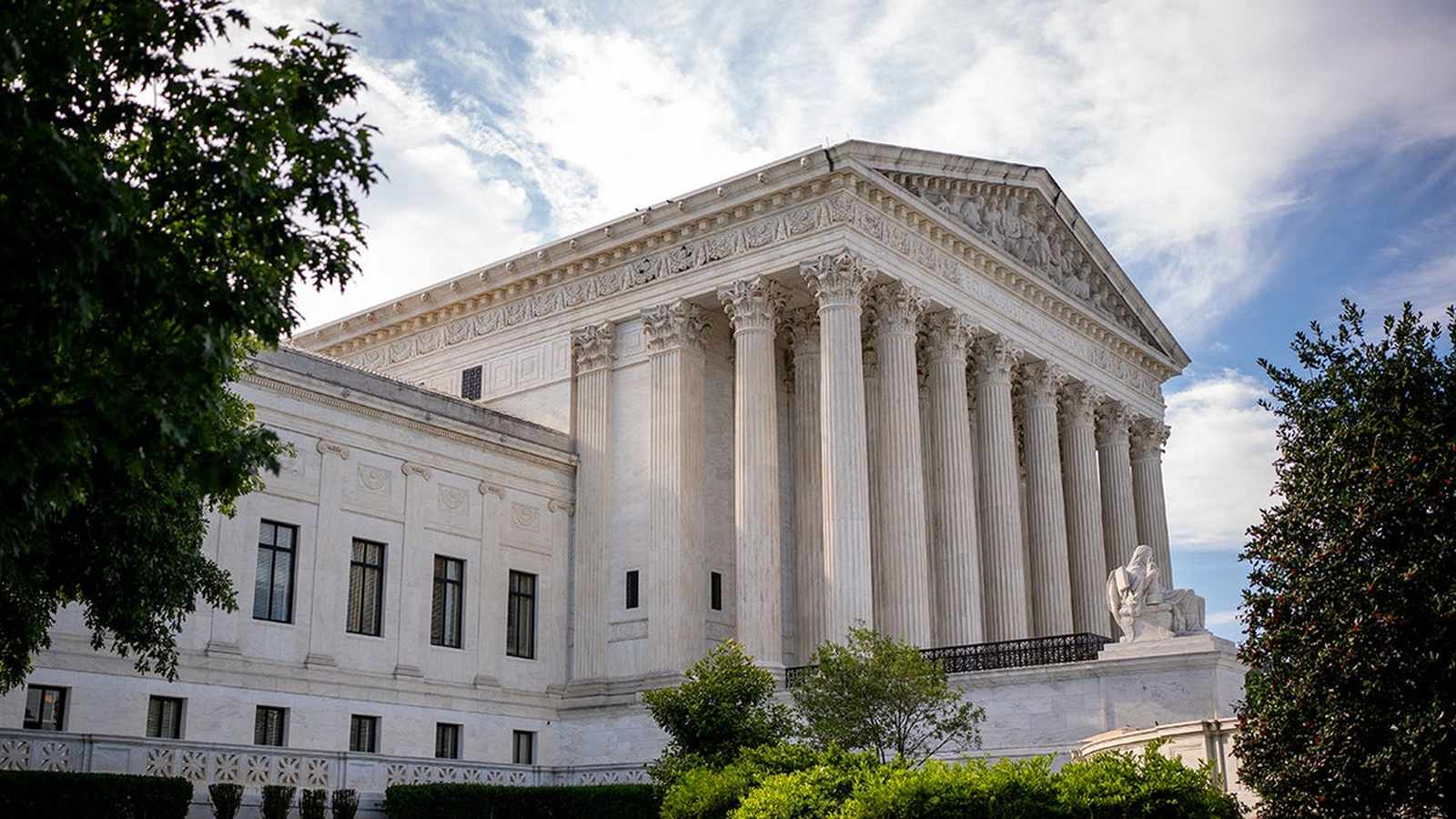
WASHINGTON (Azat TV) – The U.S. Supreme Court heard oral arguments on April 27 in Monsanto v. Durnell, a high-stakes case that could grant pesticide manufacturers sweeping immunity from state-level “failure-to-warn” lawsuits. The proceeding coincides with the release of a major study in Nature Health, which suggests that living in environments with heavy pesticide exposure may increase cancer risk by up to 150%, intensifying a national debate over corporate accountability and public health.
The Growing Divide Over Pesticide Liability
The case centers on whether federal law, specifically the Federal Insecticide, Fungicide, and Rodenticide Act (FIFRA), preempts state civil claims brought by individuals like John Durnell, who developed non-Hodgkin lymphoma after using Roundup. While Bayer, the owner of Monsanto, argues that EPA approval of its product labels shields it from state lawsuits, plaintiffs maintain that such verdicts serve as a vital check against regulatory gaps. The Trump administration’s solicitor general has signaled support for the manufacturer, a stance that has sparked a direct confrontation with the influential “Make America Healthy Again” (MAHA) movement, which organized protests outside the courthouse today.
New Research Challenges Industry Safety Standards
The legal battle is unfolding against a backdrop of alarming new scientific evidence. Researchers from the Institut Pasteur and the University of Toulouse found that the cumulative effect of multiple pesticides—even those individually classified as safe—can silently damage cellular function long before cancer manifests. The study, which tracked cancer registry data alongside environmental monitoring, identified a 150% higher cancer risk in regions with elevated pesticide concentrations. These findings challenge the traditional regulatory approach of evaluating chemicals in isolation, suggesting that current safety thresholds fail to account for real-world, multi-chemical exposure.
The Political Stakes for MAHA and Corporate Immunity
The tension between the administration’s pro-industry policy and the grassroots demand for health transparency has turned this litigation into a flashpoint for political influence. While President Trump issued an executive order in February intended to protect the production of glyphosate-based herbicides, advocates like Vani Hari of the People v. Poison rally argue that protecting corporations from accountability is a losing political position. As the Supreme Court weighs the technical merits of federal preemption, the outcome could either cement a new era of liability shields for manufacturers or leave a narrow path for citizens to seek recourse in state courts.
The potential ruling in Monsanto v. Durnell represents a critical inflection point in environmental law, where the friction between rigid federal regulatory standards and emerging, complex data on environmental toxicity threatens to fundamentally alter how the American legal system addresses long-term public health risks.