
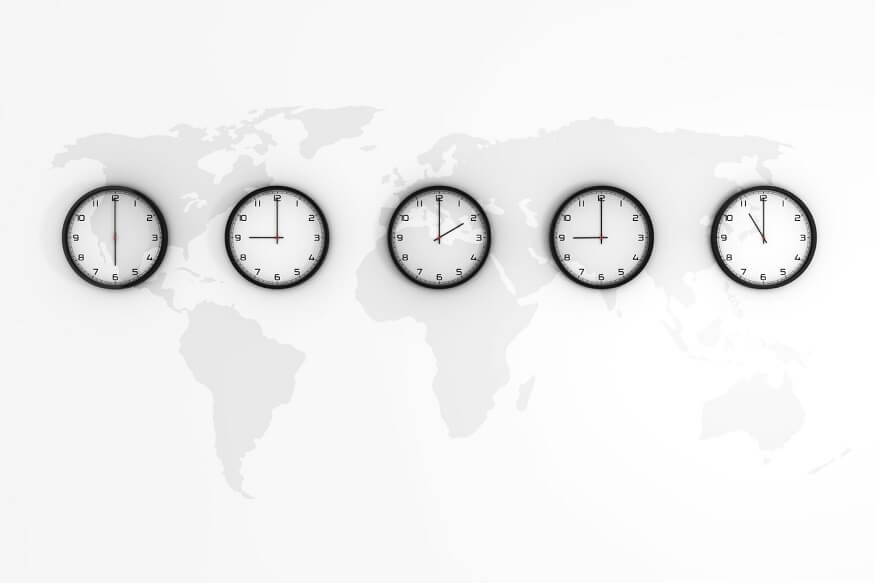
Time is a concept we all live by, yet the way it is divided and measured can sometimes defy logic. Around the globe, there are peculiar time zones that challenge our understanding of geography and chronology. Among the most fascinating is the case of Kiribati, a nation that shifted its time zone to become the first to greet the New Year.
Kiribati, a Pacific island nation, made a remarkable decision in 1995 to move the International Date Line eastward. This change allowed the easternmost islands of Kiribati to align with the rest of the nation’s calendar, ensuring that the entire country shared the same date. This adjustment also granted Kiribati the unique distinction of being the first nation to welcome each new year. The shift created what is now known as the Line Islands Time Zone, a remarkable example of how a country can manipulate time to its advantage.
While Kiribati’s time zone adjustment is celebrated for its ingenuity, other time zone anomalies create challenges rather than solutions. China, for instance, is a vast country that operates under a single official time zone—Beijing Time—despite spanning five geographic time zones. This creates significant discrepancies, especially in western regions like Xinjiang, where the sun rises and sets hours later than in the east. For many residents in these areas, local schedules unofficially follow a “second time zone,” creating a dual-timing system that reflects both practicality and tradition.
Time zone boundaries can also have unusual effects on daily life and international relations. In some parts of the world, borders between countries cut across time zones, creating situations where stepping across a line can mean jumping forward or backward by an hour—or even an entire day. A particularly striking example is found in the small town of Baarle, where the border between Belgium and the Netherlands runs through houses, cafes, and streets. This has led to oddities such as New Year’s celebrations occurring at two different times within the same building.
Historical changes to time zones have also had profound effects on people’s lives. One notable instance occurred in Samoa in 2011 when the nation decided to skip an entire day by moving west of the International Date Line. This adjustment allowed Samoa to align its workweek more closely with its trading partners in Australia and New Zealand. While this change benefited Samoa’s economy, it left citizens with the curious experience of seeing December 30 vanish entirely from their calendars.
Time, as a human construct, is far more flexible than it might seem. From Kiribati’s innovative leap into the future to the logistical quirks of countries like China and Samoa, time zones reveal much about the ways societies adapt to geographic and economic realities. These temporal oddities remind us that even something as universal as time can take on surprising and unconventional forms.