
Quick Read
- Tom Homan was reportedly recorded on FBI tape accepting $50,000 in cash.
- Vice President J.D. Vance denies any wrongdoing by Homan, but specifics about the payment remain unclear.
- No formal charges have been filed against Homan by the FBI.
- The controversy comes amid heightened political battles over immigration enforcement.
- Calls for transparency and accountability continue from both critics and supporters.
Tom Homan’s $50,000 Question: What Really Happened?
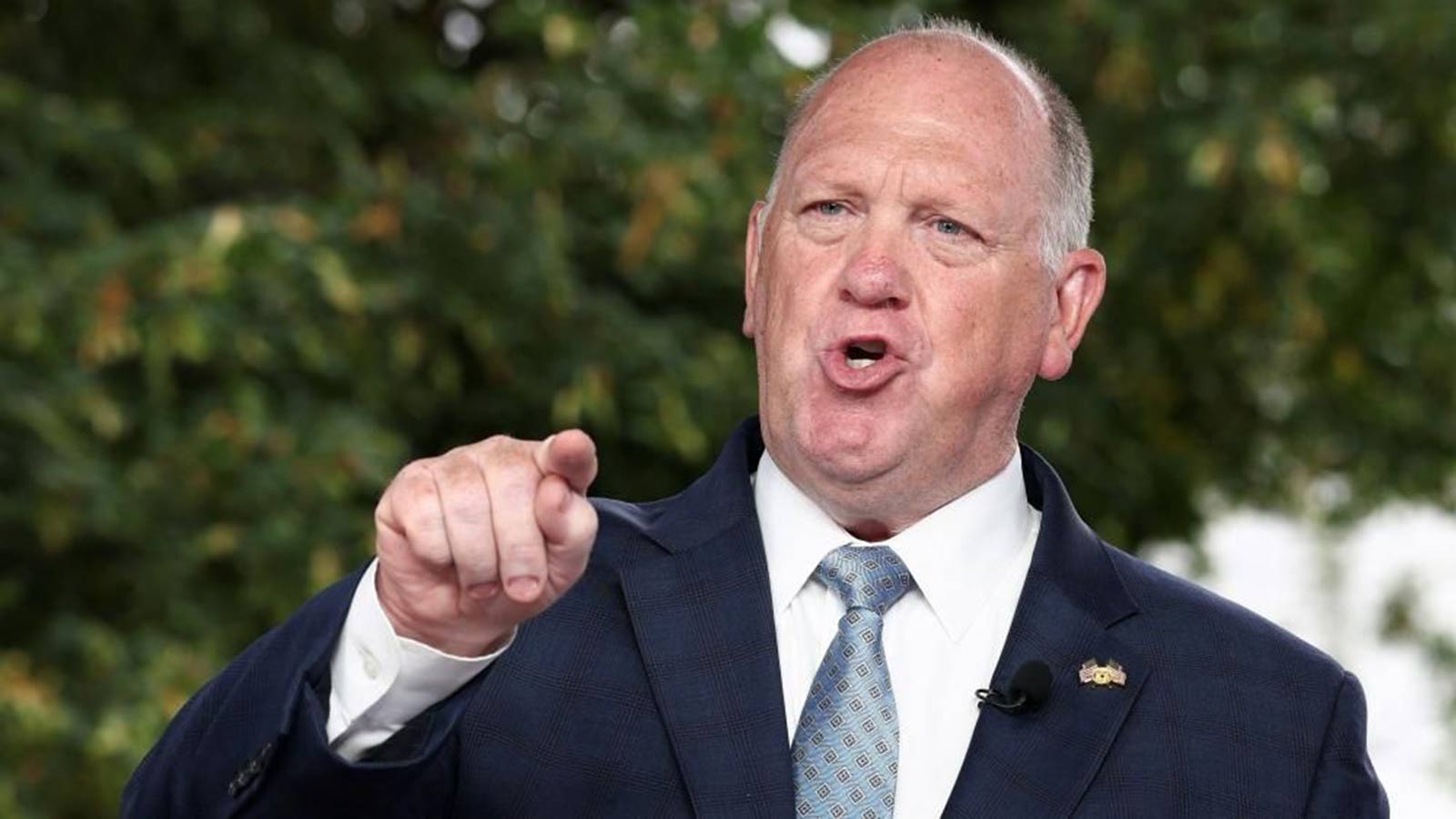
Tom Homan, once a name known primarily to those who closely followed immigration policy, now finds himself at the center of a national controversy. The White House border czar, whose role has been to oversee enforcement of America’s immigration laws, is facing pointed questions after reports surfaced of an FBI surveillance tape allegedly capturing him accepting $50,000 in cash in September 2024. The incident, which first gained traction during an interview on ABC News’ “This Week,” has become emblematic of the broader political and ethical battles raging in Washington.
The exchange that reignited debate occurred between Vice President J.D. Vance and anchor George Stephanopoulos. Pressed repeatedly on whether Homan kept the money, Vance deflected, calling the story a “ridiculous smear” and asserting, “Tom Homan did not take a bribe. There is absolutely no evidence that Tom Homan has ever taken a bribe or done anything illegal.” Yet, the core question—did Homan accept the cash, and if so, what was its purpose—remained unanswered.
Political Firestorm: Immigration, Enforcement, and Perception
Homan’s reputation has long been shaped by his willingness to take a hard line on immigration. Supporters see him as a tireless enforcer, someone unafraid to uphold the law even in the face of intense opposition. Critics, however, argue that his methods sometimes cross ethical boundaries and fuel polarization.
This particular controversy arrives at a time when immigration enforcement is itself a flashpoint. With President Trump urging more aggressive action from agencies like ICE and deploying National Guard troops to cities such as Chicago and Portland, questions of federal authority and local autonomy are front and center. Homan’s name, therefore, is not just attached to the alleged cash payment—it’s entangled in a larger debate about how America should handle border security and internal enforcement.
What makes the situation even more complex is the lack of clear, public evidence regarding the transaction. The FBI has not formally charged Homan with any crime, and even as media reports reference the surveillance tape, details remain scant. Was the money payment for legitimate services? Was it a bribe? Or could it be something entirely different, misunderstood in the rapid churn of Washington politics?
The Interview: Deflection, Doubt, and the Battle for Credibility
During the ABC News interview, Stephanopoulos repeatedly pressed Vice President Vance for specifics: “He was recorded on an audiotape in September of 2024, an FBI surveillance tape, accepting $50,000 in cash. Did he keep that money?” Vance, for his part, sidestepped the question, at times challenging the premise and at others shifting the conversation toward broader issues like government shutdowns and threats faced by law enforcement officers.
“Did he accept $50,000 for doing what, George? I am not even sure I understand the question,” Vance responded, emphasizing the absence of charges and suggesting that political motivations might be driving the scrutiny. “The FBI has not prosecuted him. I have never seen any evidence that he’s engaged in criminal wrongdoing. Nobody has accused Tom of violating a crime, even the far-left media like yourself.”
It was a rhetorical dance familiar to anyone who’s watched Washington officials field uncomfortable questions. The lack of a direct answer only fueled further speculation, with critics arguing that transparency is essential—especially when it comes to officials tasked with enforcing the law.
Broader Context: Trust, Transparency, and the Immigration Debate
Tom Homan’s situation cannot be divorced from the larger climate of suspicion and partisanship that currently envelops the capital. The Trump administration’s push for mass deportations, federal intervention in local policing, and the indictment of political opponents have all contributed to an atmosphere where every action is scrutinized, every motive questioned.
For Homan, the stakes are particularly high. As the face of border enforcement, he’s become both a lightning rod for criticism and a symbol of steadfastness for those who believe in stricter immigration control. The question of the $50,000, therefore, is more than a matter of personal conduct—it’s a test case for the integrity of the system itself.
Public reactions have been predictably divided. Some view the allegations as politically motivated, pointing to the lack of formal charges and the timing of the revelations. Others argue that the mere appearance of impropriety is enough to warrant investigation, especially given the sensitive nature of Homan’s role.
According to Politico, “Homan’s tenure has been marked by controversy, but supporters argue that he’s one of the few willing to take on the difficult task of enforcing laws that many politicians prefer to avoid.” Meanwhile, Rolling Stone notes that “the incident has become a flashpoint in the debate over federal accountability, with critics demanding a full accounting of the facts.”
What Comes Next? Unanswered Questions and Political Fallout
As of now, the official record remains incomplete. There has been no formal indictment, no definitive answer to the question of whether Tom Homan accepted and kept the $50,000, or if the payment was part of legitimate business dealings. The FBI’s silence adds another layer of uncertainty, leaving the public to sift through media reports and official statements for clues.
In the absence of concrete answers, the debate has shifted to broader themes: the need for transparency, the dangers of politicizing law enforcement, and the challenge of maintaining public trust in an era of relentless partisanship. For Homan, the controversy is likely to linger, especially as immigration remains a central issue in American politics.
Stephanopoulos concluded the exchange with a pointed observation: “I asked you whether Tom Homan accepted $50,000 as was heard on an audiotape recorded by the FBI in September 2024, and you did not answer the question.” Vance, steadfast, maintained that there was no wrongdoing, but the lack of clarity left viewers with lingering doubts.
The episode underscores a central tension in American governance: when enforcement officials themselves become subjects of investigation, the system’s credibility is put to the test. Whether Homan is ultimately cleared or implicated, the public’s demand for answers is unlikely to fade.
While the current evidence does not conclusively prove wrongdoing by Tom Homan, the controversy highlights the urgent need for transparency and accountability in government, especially when trust in institutions is at a premium. Regardless of political allegiance, the public deserves clear, factual answers—not just deflections—when serious questions are raised about those tasked with upholding the law.