


New Mexico: Six Towns Shaping Retirement Dreams
For many Americans considering where to spend their retirement years, New Mexico stands out as a top contender. With nearly 17% of its residents aged 65 and older, the state has evolved into one of the country’s largest retiree hubs, drawing people with its laid-back atmosphere, rich culture, and consistently comfortable climate. But what truly sets New Mexico apart are its towns—each with distinct personalities, opportunities, and stories.
Artesia is a beacon for those seeking affordability and safety. With a median home value of $212,900 and rents averaging $850, it’s accessible to many. The town’s health infrastructure is reassuring, anchored by the Artesia General Hospital, while community spaces like the celebrated Artesia Public Library and Aquatic Center offer both enrichment and relaxation. Artesia’s small-town spirit is palpable, making it ideal for retirees craving tranquility without isolation.
In Taos, culture and nature meet at the foot of the Sangre de Cristo Mountains. Taos Pueblo, a living Native American community, and the Harwood Museum of Art create a landscape where history and creativity flourish. Retirees in Taos enjoy not just scenic beauty, but also an active lifestyle—soaking in local hot springs or exploring vibrant art collections. The relatively small population of 6,458 ensures a close-knit feel, while median home values ($336,400) reflect the town’s desirability.
Corrales offers serenity and security, with crime rates 64% lower than the national average. Here, nearly a third of residents are retirees, drawn by the town’s spacious parks, thriving senior center, and opportunities for outdoor adventure. The higher median home price ($488,300) signals exclusivity, but the rewards are clear: peace, safety, and a strong sense of belonging.
Silver City and Ruidoso are mountain towns designed for the adventurous spirit. Silver City’s proximity to the Gila Wilderness, art galleries, and music venues make it a haven for those who crave both nature and culture, with affordable housing and a lively downtown. Ruidoso, with its affordable living and plethora of outdoor activities—from horseback riding to hiking—continues to attract retirees looking for variety and vibrancy.
Finally, Roswell offers quirkiness and affordability. Famous for its UFO lore, the town also boasts low housing costs and an abundance of parks and trails. Retirees can enjoy everything from swimming in Bottomless Lake State Park to attending symphony concerts, all in a place that refuses to take itself too seriously.
In sum, these six towns illustrate how retirement in New Mexico can be both affordable and full of life. Each offers a different flavor—whether it’s cultural immersion, outdoor adventure, or simple peace—and together, they redefine what it means to grow older in America (World Atlas).
Nantucket: The Future of an Iconic Main Street Sign
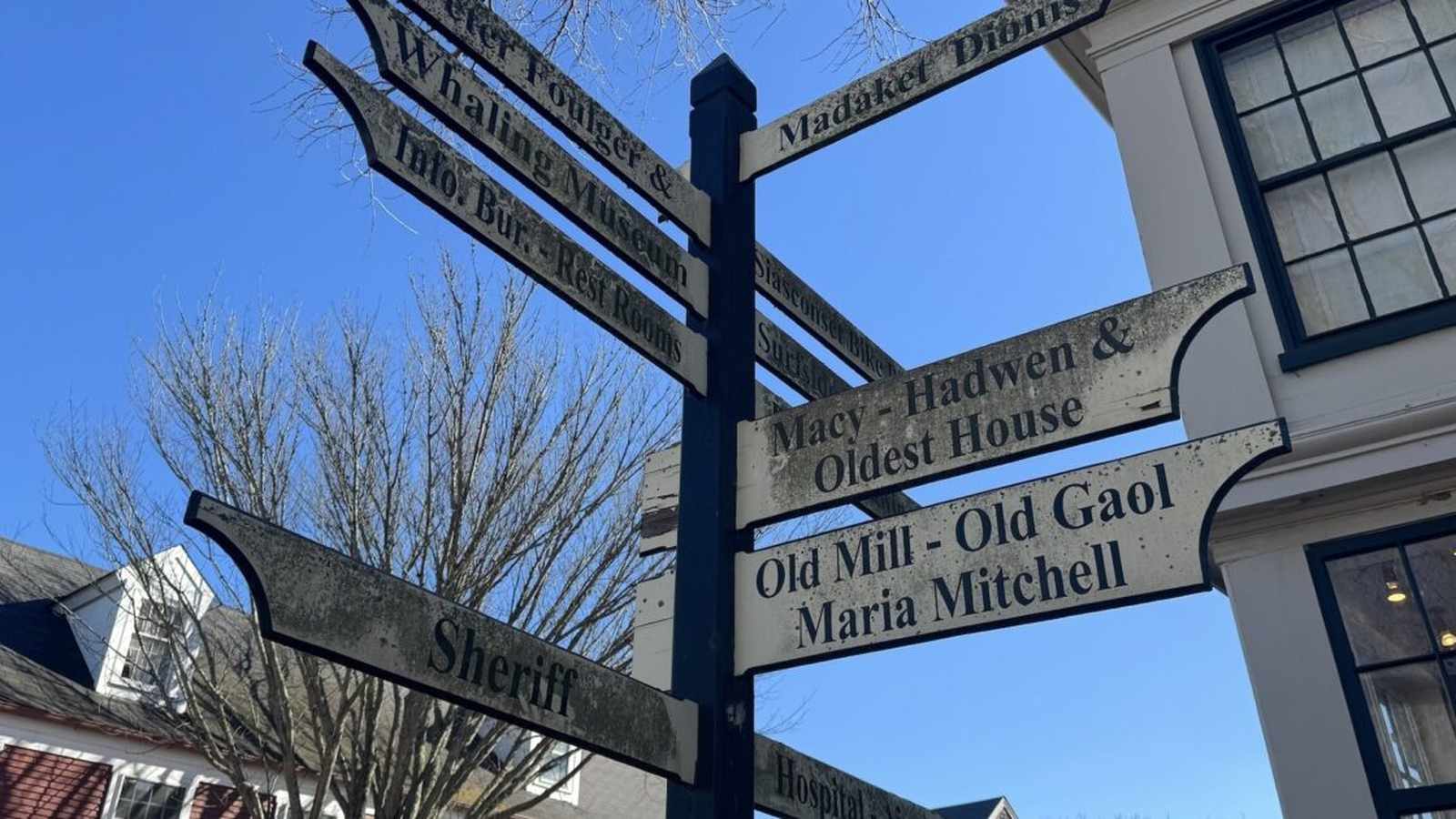
Meanwhile, on the island of Nantucket, a different kind of town story is unfolding. Main Street’s iconic multidirectional sign—pointing visitors to beloved destinations like Madaket and Surfside—stands at a crossroads. Installed in the 1990s, the signpost at 16 Main Street is now the last of its kind, and its future is uncertain. Years of neglect have left it in disrepair, sparking debates among locals about whether it should be restored, replaced, or removed entirely.
The Department of Public Works (DPW) and the Department of Culture & Tourism are weighing all options, responding to renewed public interest after a social media post suggested the sign might soon disappear. Although the sign is not considered historic, its role as a community landmark and photo opportunity makes its fate a matter of local pride and nostalgia. Residents and officials alike must now ask: does preserving such symbols matter as much as practicality, or does the character of a town hinge on its everyday icons?
This decision—whether to honor the past by restoring the sign, or to let it fade into memory—reflects a broader question about what towns choose to preserve and why (Nantucket Current).
New York: Building a City’s Legacy in Miniature
Across the country, in the heart of New York, artist Joe Macken has spent 21 years crafting an extraordinary model of his city. Unveiled at the Museum of the City of New York in 2025, Macken’s creation spans 55 by 30 feet and comprises 350 sections, each built by hand using simple materials like balsa wood and cardboard. This is not just a technical achievement—it’s a personal homage to the metropolis that shaped him.
Starting with the Comcast Building at 30 Rockefeller Plaza, Macken’s model is a testament to both precision and imagination. It sits alongside the museum’s permanent exhibitions, sparking conversation about New York’s evolution. Where other exhibits track four centuries of change, Macken’s tactile model invites visitors to immerse themselves in the city’s physical and emotional geography, seeing familiar landmarks through the eyes of an artist (Museum of the City of New York).
Here, the act of building becomes a metaphor for belonging—each miniature street and skyline a reminder that cities are shaped not just by planners and politicians, but by the dreams and dedication of ordinary people.
Towns as Living Narratives: What Makes a Place Endure?
Whether it’s the practical allure of affordable housing and low crime in New Mexico, the symbolic significance of a weathered signpost in Nantucket, or the imaginative reconstruction of New York by a single artist, 2025’s towns are defined by their stories. These places are more than locations—they are living narratives, shaped by choices about what to keep, what to change, and how to remember.
In every case, the essence of a town lies in its capacity to evolve while preserving the qualities that make it unique. The debate over Nantucket’s sign is not just about wood and paint—it’s about memory and identity. Macken’s model city is more than an exhibit—it’s an act of devotion. And New Mexico’s retirement towns prove that even as residents age, a community’s spirit can stay young.
The threads connecting these stories are clear: towns thrive when they balance tradition with renewal, inviting both newcomers and longtime residents to shape their future together. This year’s tales remind us that a town’s character is built day by day, in the choices of its people and the symbols they cherish.