
Quick Read
- A catastrophic high-speed rail collision in Spain has claimed at least 40 lives and left dozens injured.
- The crash occurred when a Madrid-bound express derailed and collided with an oncoming train.
- Rescue teams are continuing to search for victims as officials open DNA testing and victim-identification offices.
- The government has declared three days of national mourning and pledged a transparent investigation.
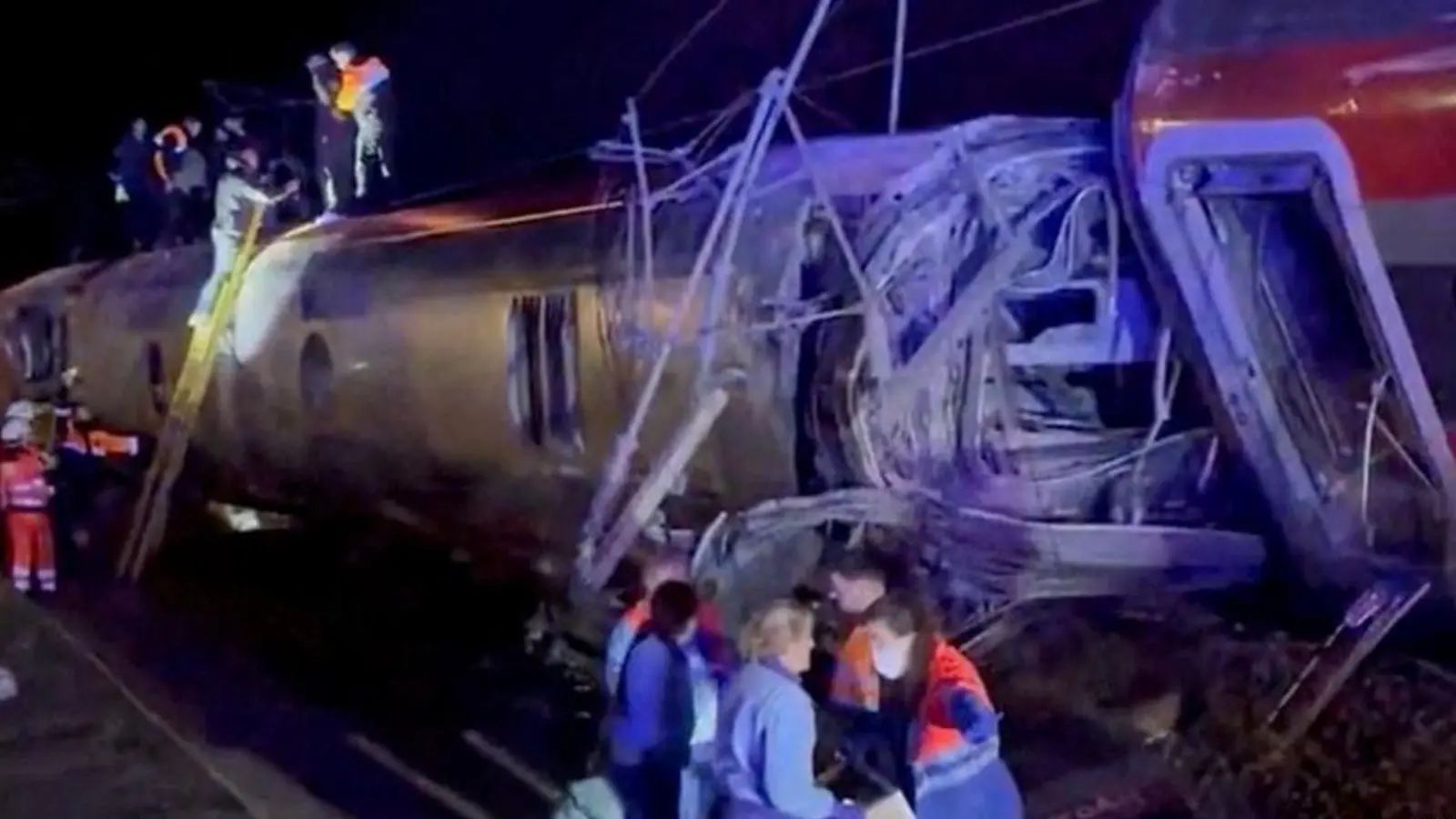
Emergency crews in Spain grappled with a scene of twisted metal and urgent cries for help after a high-speed train collision near a major corridor linking cities, an incident that authorities described as the country’s worst rail disaster in more than a decade. The crash, which occurred on a Sunday evening, sent shockwaves across a nation that has relied on a rail network renowned for its speed and efficiency. By the latest official count, at least 40 people were killed and dozens more were injured, with responders continuing to comb wreckage and examine carriages for signs of survivors or additional casualties.
Officials provided few details in the immediate aftermath, noting only that a Madrid-bound express train derailed and subsequently collided with a second, oncoming train. The precise sequence of events remained under investigation on Monday as investigators from multiple agencies coordinated on-site. In the hours after the crash, authorities urged restraint, saying that the complexity of the incident would require thorough, methodical inquiry rather than early conclusions.
Spain’s prime minister, who declared three days of national mourning, promised a full and transparent examination of the tragedy. The government’s decision to observe a nationwide pause in remembrance reflects the gravity of the moment and the sense of shared loss that has enveloped families waiting for word about missing relatives. In provinces across the country, people gathered at makeshift memorials, leaving flowers, photographs, and messages as the country absorbed the scale of the disaster.
Rescue operations were ongoing through the night as teams from fire services, police, coast guard units, and medical responders worked to access wreckage that could be hazardous and unstable. The wreckage, described by witnesses as a mangled tangle of metal and emergency orange lights, was scattered along a stretch of track that handles a high volume of passenger and freight traffic. Photographs from the scene showed several carriages severely damaged, with hoods and windows shattered, while passengers’ belongings lay scattered among the rails.
Authorities did not immediately release the identities of the victims, citing the need for careful confirmation. They announced the establishment of official offices where people could report missing relatives and where DNA samples could be provided to assist in the identification process. The use of DNA-based identification underscores the seriousness of the carnage and the complexity involved in tracing survivors and victims when standard documentation is absent or destroyed by the impact.
Transportation ministers and railway safety officials have cautioned against speculation about the cause, even as they acknowledged the event’s potential implications for Spain’s rail system. In a briefing late Sunday, Óscar Puente, Spain’s transport minister, described the crash as occurring under “unusual circumstances.” He stressed that the train involved in the incident had been in service for less than four years and had undergone inspection just days before the disaster. His comments pointed to the possibility that multiple factors—perhaps human error, signaling anomalies, or equipment faults—could be involved in the tragedy, though no single cause could be confirmed at that stage.
As investigators began their work, questions mounted about safety protocols and maintenance practices across the national rail network. Spain has long prided itself on its AVE high-speed services, which connect major metropolitan hubs with swift, modern trains. The current investigation will likely scrutinize the signaling systems, the integrity of the track, the condition of the rolling stock, as well as crew readiness and operational oversight. Analysts noted that even in mature networks, catastrophic accidents can arise from a confluence of adverse factors, and it often takes days, if not weeks, to reconstruct a precise timeline of events.
The human dimension of the disaster quickly came to the fore. Families anxiously awaiting word about loved ones crowded into government reception centers and local hospitals, sharing stories, photographs, and fragments of information obtained from frantic calls and social posts. In communities across Spain, residents organized spontaneous vigils. For many, the incident is a stark reminder of the fragility of modern mass transit, and a catalyst for renewed debates about rail safety, funding for maintenance, and the resilience of emergency response systems in the face of large-scale emergencies.
In the immediate aftermath, officials stressed the importance of maintaining trust and transparency. The government’s three-day mourning period is not simply symbolic; it signals an intent to provide continuous updates, facilitate victim identification, and coordinate international assistance if needed. The possibility of outside help—ranging from forensic support to technical expertise in crash reconstruction—has already been discussed, given the scale of the operations and the number of victims still unaccounted for. The degree to which Spain will rely on foreign partners will depend on the findings of the on-site investigations and the capacity of domestic agencies to manage the ongoing rescue and identification efforts.
From a policy perspective, the incident has the potential to trigger a broader reexamination of Spain’s rail safety standards. It may catalyze reviews of automatic braking systems, driver training, rail traffic management, maintenance schedules for high-speed lines, and the adequacy of funding allocations for safety upgrades. While governments typically respond to such tragedies with a combination of immediate operational checks and long-term regulatory reforms, the specifics tend to hinge on the investigation’s outcomes and the degree to which risk factors can be mitigated without disrupting the network’s essential services.
In the broader European context, the crash is likely to ignite discussions about rail safety across borders. The European Union has long promoted harmonized safety standards for high-speed rail and cross-border operations. If investigators find gaps in oversight or areas where best practices were not followed, there could be renewed calls for increased auditing, standardized training, and more robust data-sharing among national rail operators and safety agencies. While sympathy for the victims is universal, policymakers may also use the incident to justify investments in modern signaling technologies, improved track inspection regimes, and stronger contingency plans for mass-casualty scenarios.
Amid the grief and the procedural urgency, many questions remain unanswered. How did the collision occur, and what sequence of events led to the derailment? Were there signals or communication failures, and if so, what safeguards were in place to prevent a collision of this nature? Were there human factors at play, such as fatigue or miscommunication, and did the automatic safety systems function as designed? Investigators will pore over every centimeter of the track and every component of the trains, including braking equipment, wheel assemblies, and couplings, to determine whether a fault existed in the equipment or whether a chain of human and systemic factors contributed to the disaster. In parallel, authorities will assess the adequacy of crisis-response protocols, the timeliness of medical triage, and the efficiency of information dissemination to families and the public.
As this story continues to unfold, the emphasis will be on accountability and lessons learned. The people of Spain deserve clear answers about how such a catastrophe could occur, and they deserve assurances that measures will be taken to reduce the risk of recurrence. The government’s pledge of transparency, combined with the painstaking work of investigators, signals a commitment to uncovering the truth, even when it is uncomfortable. In the days ahead, the nation will rely on the dual pillars of resilience and reform: resilience to support those affected in the immediate aftermath, and reform to strengthen the safety net that keeps millions of travelers moving each day.
Final Analysis
The Spain rail disaster stands as a sobering reminder that even the most modern transportation networks can face catastrophic breakdowns. While the investigation seeks to establish a clear and accountable cause, the priority for now is the human dimension—resolving the fates of the missing, supporting the bereaved, and delivering timely information to a nation in mourning. In the longer term, the episode may catalyze a pivotal shift in how high-speed rail safety is funded, overseen, and tested. If authorities identify gaps—whether in technology, maintenance, or governance—the lessons must translate into concrete improvements that reduce the likelihood of a repeat. The path forward will require not only technical fixes but also a culture of continuous scrutiny, transparent communication, and robust emergency response planning that can adapt quickly to evolving circumstances on the rails. As Spain undertakes this arduous process, the worldwide rail community will watch closely, drawing lessons from both the tragedy and the response to ensure safer travel for millions who rely on high-speed trains every day.
Իսպանիայում գնացքների բախման հետևանքով զոհերի թիվը հասել է 40-ի