
Quick Read
- Trump administration’s Education Department has delayed wage garnishments for defaulted student loan borrowers.
- The pause affects approximately 5 million borrowers who are in default (270+ days without payment).
- The department states the delay is to allow for major student loan system reforms and new repayment plan implementation.
- Advocacy groups like Protect Borrowers and Young Invincibles applauded the pause, citing affordability concerns.
- Fiscal watchdog Committee for a Responsible Federal Budget (CRFB) criticized the move as a ‘political giveaway’ that could cost taxpayers billions.
In a significant policy shift, the U.S. Department of Education, under the Trump administration, has announced a temporary pause on wage garnishments and involuntary collections for millions of federal student loan borrowers in default. This reversal comes just weeks after the administration had signaled its intention to resume such collection efforts, which had been largely on hold since the onset of the COVID-19 pandemic. The department states its decision is aimed at allowing more time to streamline the student loan repayment process and implement ‘major’ reforms.
The move affects an estimated 5 million borrowers who have defaulted on their student loans, meaning they have failed to make payments for at least 270 days, or nine months. Typically, once a loan enters default, the federal government can garnish up to 15% of a borrower’s paycheck after deductions, and can also seize federal and state tax refunds, as well as other federal benefits like Social Security payments. The scheduled resumption of these aggressive collection tactics last week had sparked widespread concern among borrower advocacy groups.
A Policy Reversal Amidst Reform Efforts
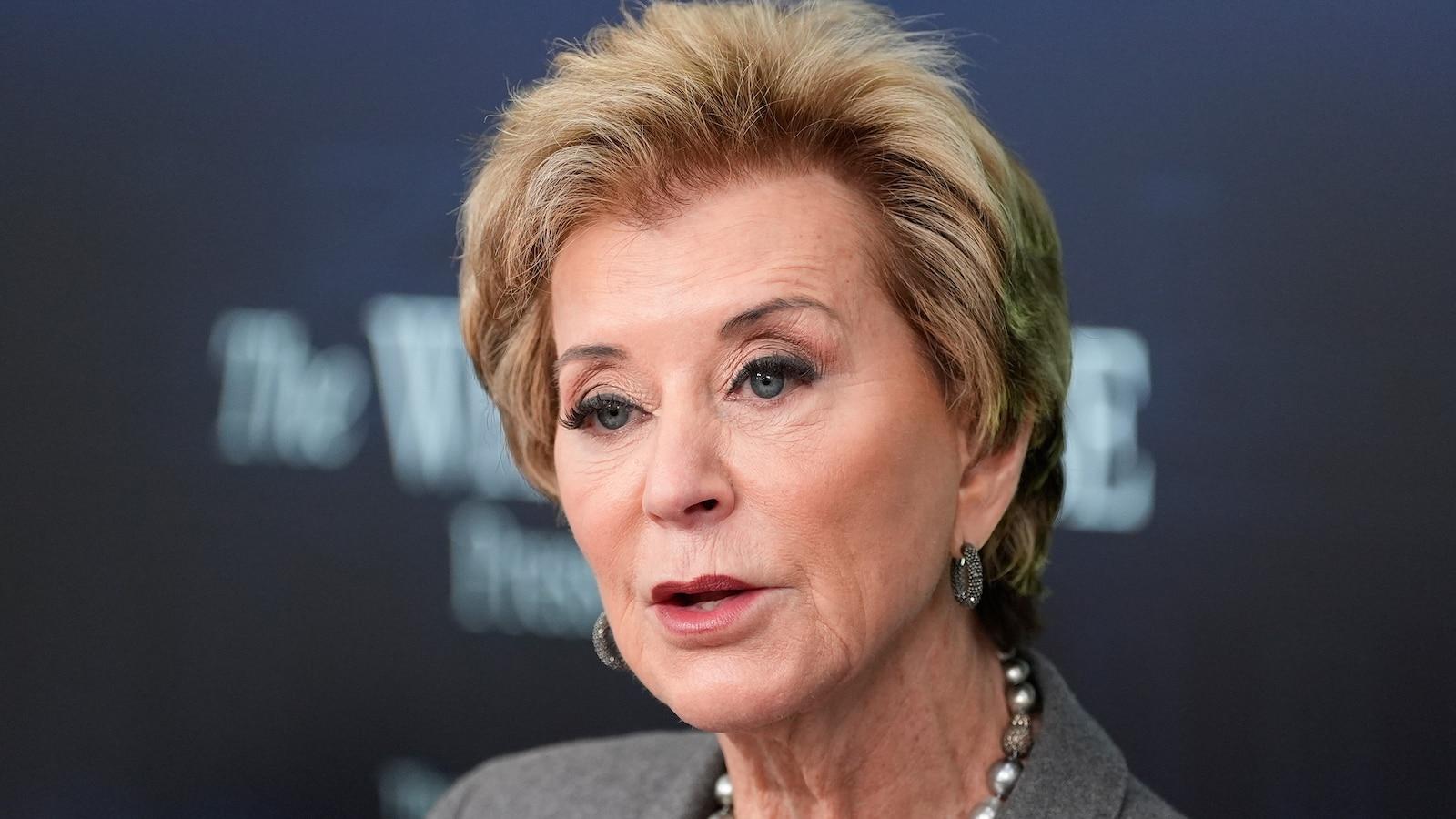
Education Secretary Linda McMahon confirmed the pause, noting that the department is working to overhaul what she described as a ‘broken’ student loan system. The delay, according to the Education Department, will provide defaulted borrowers with a crucial window to rehabilitate their loans, a process that can pull them out of default and improve their credit scores. This aligns with the broader objective of implementing changes mandated by last summer’s One Big Beautiful Bill Act, a comprehensive piece of legislation that introduced several modifications to federal student loan borrowing and repayment.
Among these changes is the introduction of a new income-driven repayment plan, set to become available on July 1, 2026, under the Working Families Tax Cuts Act. This new plan is intended to replace Biden-era initiatives that the Trump administration moved to terminate. The department’s decision to pause collections is framed as a necessary step to ensure a smoother transition and allow borrowers to benefit from these upcoming reforms without facing immediate financial distress.
Secretary McMahon has been vocal about her efforts to dismantle the agency she leads, even reportedly eyeing the Treasury Department as a potential new home for the vast student loan portfolio. Before this latest pause, the department had managed to collect approximately $500 million from defaulted borrowers since payments were restarted last year, following a five-year pandemic-era hiatus. This collection phase, McMahon had indicated, was to be followed by wage garnishments, making the current delay a direct deviation from previously stated plans.
Advocates Applaud, Critics Decry the Pause
The announcement has elicited a mixed bag of reactions from various stakeholders. Student loan advocacy groups have largely welcomed the temporary halt, viewing it as a much-needed reprieve for struggling borrowers. Aissa Canchola Bañez, policy director at Protect Borrowers, stated that the administration’s initial plans would have been ‘economically reckless’ and risked pushing ‘nearly 9 million defaulted borrowers even further into debt,’ especially amidst a growing affordability crisis. Kristin McGuire, president and CEO of the Young Invincibles, echoed this sentiment, calling the temporary pause the ‘bare minimum.’ McGuire emphasized that the administration and Education Department must work towards solutions that recognize student debt as part of a larger affordability crisis facing young Americans, rather than forcing them into cycles of financial distress.
Conversely, fiscal conservatives and organizations focused on federal budget responsibility have sharply criticized the administration’s decision. The Committee for a Responsible Federal Budget (CRFB) labeled the move a ‘ridiculous’ and ‘incoherent’ political giveaway, accusing the Trump administration of ‘reviving and extending’ pandemic-era student loan pauses it had vowed to end. CRFB President Maya MacGuineas argued that there is ‘no justification for emergency action on student debt’ given the current economic climate, which is not characterized by a pandemic, financial crisis, or deep recession. The nonpartisan nonprofit organization estimates that the U.S. could lose up to $5 billion per year in collections due to this pause, potentially causing loan balances to balloon and putting upward pressure on interest rates and inflation.
The debate highlights a fundamental tension between providing relief to individual borrowers and managing the fiscal health of the nearly $1.7 trillion student loan portfolio, a point Ellen Keast, Department of Education press secretary for higher education, touched upon last fall when she noted the department was ‘evaluating ways to improve the fiscal health…to safeguard the interests of both students and taxpayers.’
Understanding Student Loan Default and its Consequences
For borrowers, understanding the mechanics of default is crucial. Missing a single payment renders a loan delinquent, but it’s only after 270 days of non-payment that a loan officially enters default. Once in default, the consequences are severe: beyond wage garnishment and tax refund seizures, borrowers face a significant hit to their credit scores, making it harder to secure other loans or even housing. The good news, as student loan expert Robert Farrington explained to PBS News, is that making even one payment can pull a borrower out of default and reset the nine-month clock, offering a path to rehabilitation.
The temporary pause, therefore, offers a critical opportunity for these 5 million borrowers to explore their options, engage with the Education Department, and work towards rehabilitating their loans before aggressive collection measures potentially resume. It also underscores the ongoing, complex challenge the federal government faces in balancing borrower support with fiscal responsibility, particularly as new legislative frameworks come into play.
The Trump administration’s decision to delay student loan wage garnishment, while framed as a strategic move to facilitate systemic reforms, inherently reflects a complex interplay of political pragmatism and economic realities. While offering a much-needed lifeline to vulnerable borrowers, it simultaneously raises legitimate concerns about long-term fiscal stability and the moral hazard of repeated pauses, indicating that the ‘broken’ system is not just about repayment mechanics but also about the sustainability of policy decisions.