
Quick Read
- Donald Trump has threatened to sue the BBC for $1 billion over a Panorama documentary edit.
- BBC admits to an ‘error of judgment’ in editing Trump’s January 6 speech, omitting calls for peaceful protest.
- Director General Tim Davie and News CEO Deborah Turness resigned in the wake of the scandal.
- Debate over BBC’s impartiality and funding model intensifies as Charter renewal approaches.
- Legal experts question Trump’s chances of success due to international defamation law complexities.
Trump’s Legal Threat Sends Shockwaves Through BBC
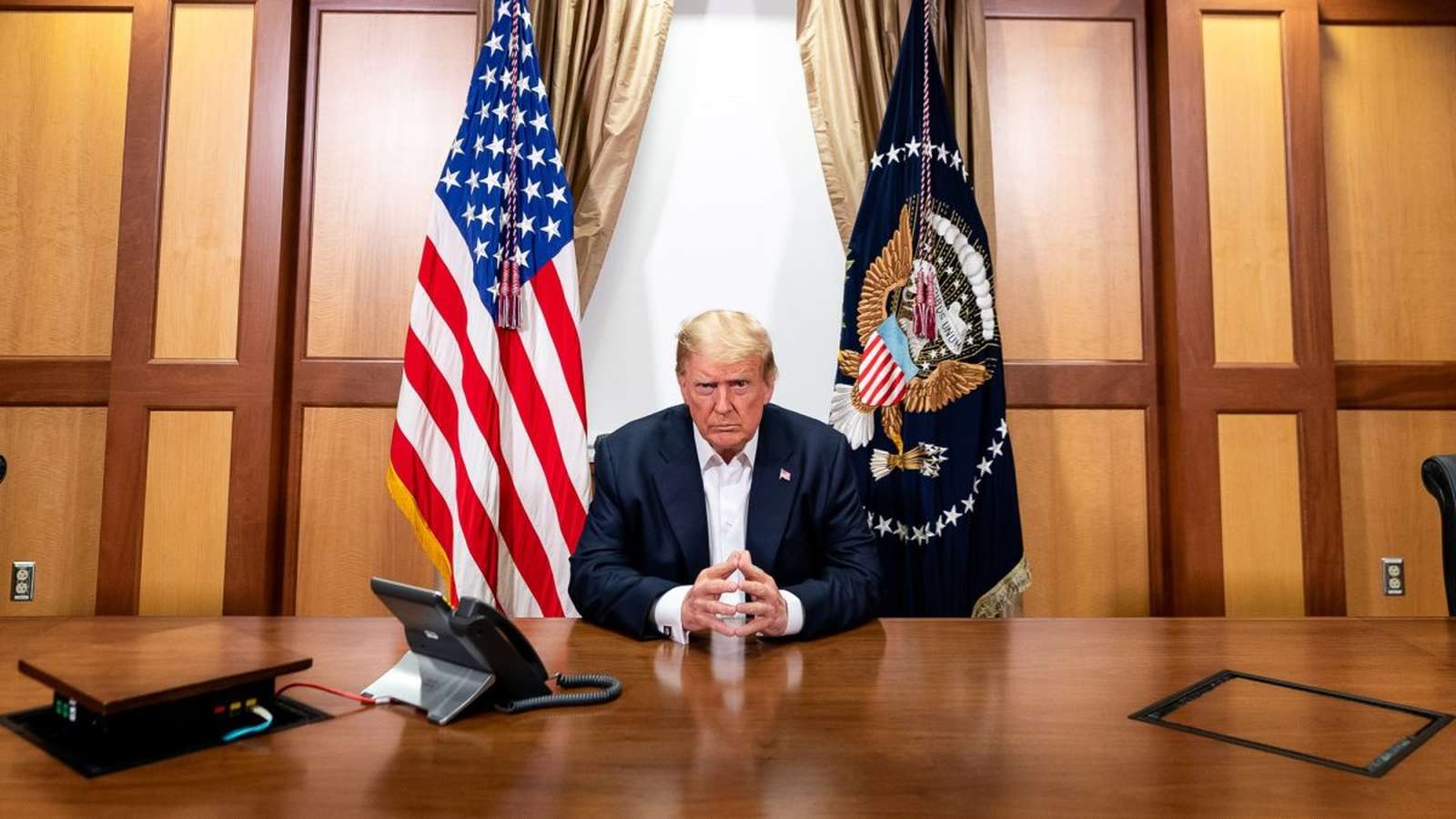
In a move that has reverberated across both sides of the Atlantic, US President Donald Trump has threatened to sue the BBC for $1 billion, accusing the British broadcaster of defamation and election interference. The catalyst: a Panorama documentary aired on the eve of the 2024 US presidential election, in which Trump’s January 6, 2021 speech was edited in a way he claims was “purposefully dishonest.” The BBC admits it stitched together two sections of Trump’s speech—spoken nearly an hour apart—creating the impression he had called for direct violent action. Crucially, the edit omitted the part where Trump urged supporters to protest peacefully, instead highlighting the “fight like hell” rhetoric. The fallout was swift and far-reaching.
Leadership Crisis: BBC Executives Step Down Amid Scandal
The controversy exploded after a leaked memo by Michael Prescott, a former adviser to the BBC’s Editorial Guidelines and Standards Committee, found its way into the press via the Daily Telegraph. Prescott detailed his concerns about impartiality and editorial standards at the BBC, singling out the Panorama edit as a grave error. Within days, two of the broadcaster’s most senior figures—Director General Tim Davie and News CEO Deborah Turness—announced their resignations. Davie, in his farewell statement, acknowledged “some mistakes” had been made, saying, “As director-general I have to take ultimate responsibility.” Turness echoed the sentiment, telling reporters, “The buck stops with me.” Both denied that the BBC is institutionally biased, but accepted that the Panorama incident had damaged public trust.
Apologies and Accountability: BBC’s Response to the Crisis
Samir Shah, the BBC’s chair, issued a public apology for what he called an “error of judgment.” In a letter to MPs and a subsequent interview, Shah admitted the edit “did give the impression of a direct call for violent action.” He insisted there was “no intention to mislead,” explaining the programme aimed to condense Trump’s hour-long speech into a digestible segment. Shah stopped short of conceding institutional bias, but promised that the board would revisit every item raised in Prescott’s memo and take necessary corrective action. “The BBC must champion impartiality,” Shah wrote. “I will personally ensure the BBC retains the trust and confidence of the public.”
Political and Public Reactions: The BBC’s Role Under Scrutiny
The incident has reignited long-standing debates about the BBC’s impartiality, funding, and future. Nigel Farage, leader of Reform UK and a close ally of Trump, condemned the BBC as “institutionally biased for decades,” calling for a shift to a subscription-based model focused on entertainment and sport. Liberal Democrat leader Ed Davey countered, insisting “the BBC belongs to Britain, not Trump” and urging the government to defend the broadcaster’s independence. Meanwhile, Scotland’s First Minister John Swinney called for the resignation of BBC board member Robbie Gibb, a former Conservative adviser, arguing his presence undermined the corporation’s impartiality.
Listeners and viewers weighed in as well. Some defended the BBC’s value and reach, praising its cultural output and global influence, while others criticized its perceived political leanings. The debate extended to the broadcaster’s funding model—the compulsory license fee, which has come under increasing scrutiny as the BBC’s Royal Charter approaches renewal in 2027.
The Legal Battleground: Can Trump’s Lawsuit Succeed?
Trump’s legal team sent a letter demanding a “full and fair retraction” by November 14, or face a $1 billion lawsuit. The letter accuses the BBC of intentionally misleading viewers and interfering in the US presidential election. Legal experts note that defamation law is notoriously complex, especially when crossing international boundaries. In the UK, claimants must file within a year of publication, which may complicate Trump’s case, as the Panorama episode first aired more than a year ago. In the US, where free speech protections are stronger and deadlines vary by state, Trump’s chances depend on whether he can prove lasting reputational harm and that the program was aired domestically within the legal timeframe.
Trump has a history of suing media outlets, including CBS, CNN, and the Wall Street Journal, with mixed outcomes. CBS recently settled for $16 million after a similar editing dispute. The BBC has confirmed receipt of Trump’s letter and says it will respond in due course.
Institutional Change and the Road Ahead
The leadership vacuum left by Davie and Turness will force the BBC to confront deep questions about its editorial standards, governance, and public mission. The process for selecting a new director general is underway, with the BBC board—led by Shah—tasked with finding a candidate who can restore confidence and steer the organization through its current turbulence. The government, while not directly involved in the appointment, wields influence through the Royal Charter and the license fee, giving it leverage over the BBC’s strategic direction.
Prescott’s leaked memo and the Panorama controversy have provided ammunition for critics who see the BBC as ideologically skewed. Supporters argue that the broadcaster remains one of Britain’s most trusted and valuable institutions, vital in a world awash with misinformation and opinionated media channels. The BBC’s global reach, including its World Service, is unparalleled, but its reputation now hangs in the balance.
Impartiality Under Pressure: The BBC’s Challenge
As the dust settles, the BBC faces a period of intense scrutiny and potential reform. The Panorama edit was, as Shah acknowledged, a mistake—one that has cast a shadow over the broadcaster’s commitment to impartial journalism. The resignations of top executives signal a willingness to accept responsibility, but they also highlight the fragility of public trust in media institutions. With Trump’s lawsuit looming, political pressures mounting, and the Charter renewal approaching, the stakes for the BBC could hardly be higher.
The BBC’s handling of Trump’s speech edit and the subsequent leadership crisis underscores the delicate balance between editorial judgment and public accountability. As the broadcaster navigates legal threats, political criticism, and internal change, its ability to uphold impartiality will define its future—and perhaps set a precedent for public media worldwide.