
Quick Read
- President Trump is considering whether to fire Federal Reserve Chair Jerome Powell.
- White House economic adviser Kevin Hassett confirmed the matter is under study.
- Trump has criticized Powell for not lowering interest rates and handling trade war impacts.
- Legal and institutional constraints may limit Trump’s ability to remove Powell.
- Economists warn that such a move could undermine the Fed’s independence and market stability.
Trump Weighs Firing Federal Reserve Chair Powell
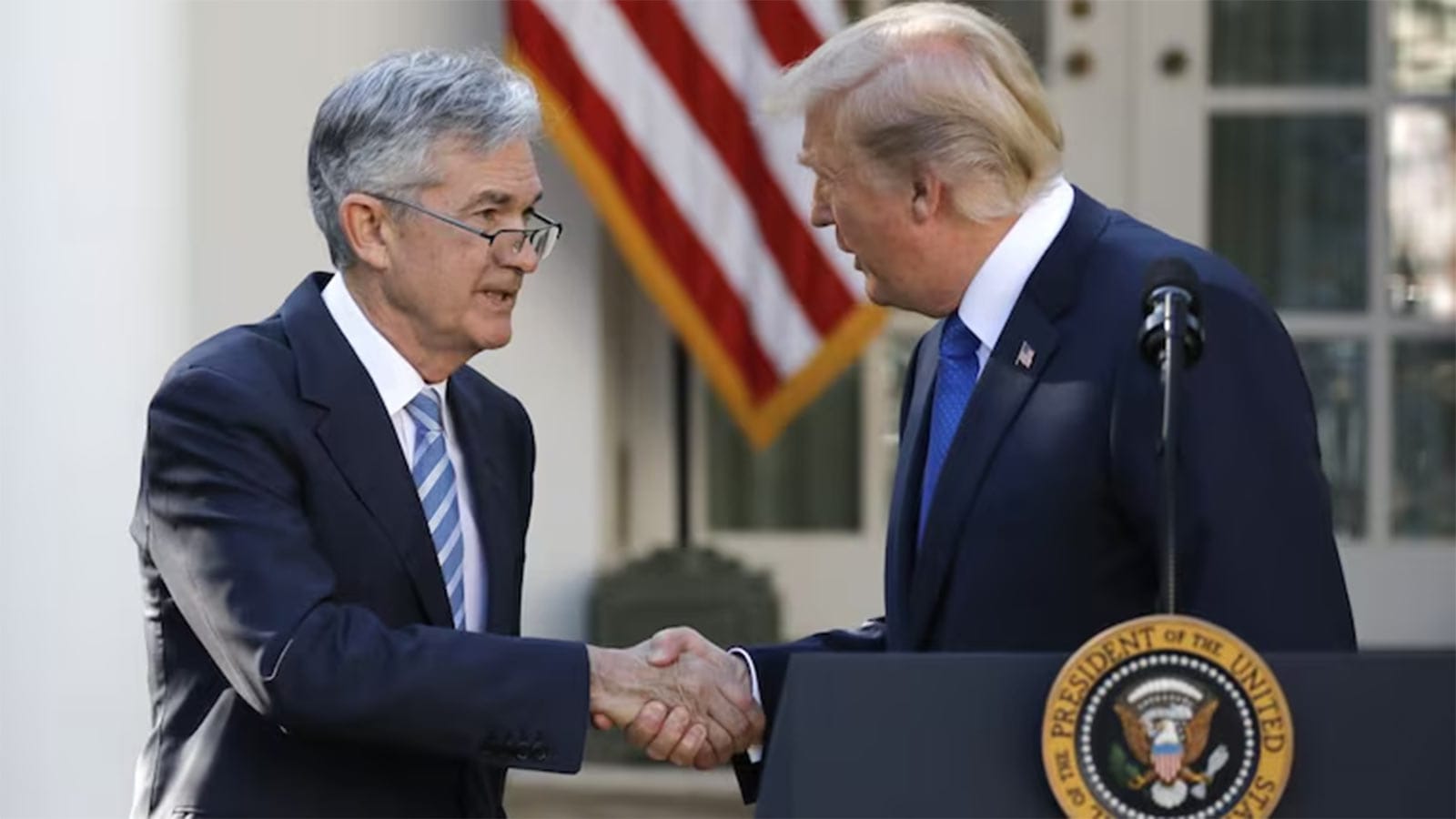
President Donald Trump is reportedly exploring the possibility of removing Federal Reserve Chair Jerome Powell from his position, a move that could have significant implications for the independence of the central bank and global financial markets. White House economic adviser Kevin Hassett confirmed on Friday that the president and his team are studying the matter, though no final decision has been made.
Background on the Dispute
The tension between Trump and Powell has been brewing for years. Powell, who was initially nominated by Trump in 2017 to lead the Federal Reserve, has faced repeated criticism from the president over his handling of interest rate policies. Trump has accused Powell of being “too slow” to cut rates and failing to support the administration’s economic agenda, particularly during the U.S.-China trade war.
In recent remarks, Trump stated, “If I want him out, he’ll be out real fast, believe me.” This escalation follows Powell’s decision to maintain steady interest rates despite pressures from the White House to lower them. Powell has argued that the central bank’s decisions are guided by economic data and not political influence.
Legal and Institutional Constraints
While Trump has expressed frustration with Powell, removing a Federal Reserve chair is not straightforward. The Federal Reserve operates as an independent agency, and its chair can only be removed “for cause,” according to a 1935 Supreme Court ruling. This means the president would need to provide substantial legal justification to dismiss Powell before his term ends in May 2026.
Powell himself has stated that he would not step down voluntarily if asked by the president. Legal experts suggest that any attempt to remove Powell could face significant challenges in court, potentially setting a precedent that undermines the Federal Reserve’s independence.
Economic and Market Implications
The potential firing of Powell has raised concerns among economists and investors. The Federal Reserve’s credibility as an independent institution is crucial for maintaining market stability and investor confidence. Any perceived political interference could lead to increased market volatility and a loss of trust in the central bank’s ability to manage monetary policy effectively.
Krishna Guha, Vice Chair of Evercore ISI, noted that such a move could “intensify market stress” and increase the risk of stagflation—a combination of stagnant economic growth and rising inflation. Financial markets are already grappling with uncertainties related to trade policies and global economic conditions, and additional instability could exacerbate these challenges.
Powell’s Policy Stance
Powell has maintained that the Federal Reserve’s decisions are based on economic indicators and long-term objectives, rather than short-term political pressures. In recent speeches, he has highlighted the risks of the Trump administration’s trade policies, warning that tariffs could lead to higher inflation and slower economic growth.
Despite these challenges, Powell has emphasized the importance of a cautious approach to monetary policy. The Federal Open Market Committee (FOMC), which Powell chairs, has opted to hold interest rates steady in recent months, citing uncertainty in the economic outlook.
Potential Successors
If Trump were to succeed in removing Powell, the question of his replacement would arise. Reports suggest that Kevin Warsh, a former Federal Reserve governor and Morgan Stanley executive, is a potential candidate. Warsh is considered more hawkish on interest rates than Powell, meaning he may favor keeping rates higher to control inflation. However, Warsh has reportedly advised Trump to allow Powell to serve out his term, indicating that a leadership change may not necessarily align with the president’s objectives.
Broader Implications for Federal Agencies
The discussion around Powell’s potential removal is part of a broader trend of tensions between the Trump administration and independent federal agencies. In recent months, Trump has dismissed members of other regulatory bodies, such as the National Credit Union Administration and the Federal Trade Commission, raising questions about the limits of presidential authority over independent institutions.
Legal analysts are closely watching a pending Supreme Court case that could clarify the extent of the president’s power to remove officials from independent agencies. The outcome of this case could have significant implications for the Federal Reserve and other regulatory bodies.
The prospect of firing Federal Reserve Chair Jerome Powell underscores the ongoing friction between the Trump administration and the central bank. While the legal and institutional barriers to such a move remain significant, the mere discussion of Powell’s removal has already sparked concerns about the independence of the Federal Reserve and the stability of financial markets. As the situation unfolds, policymakers and investors alike will be watching closely to gauge the potential impact on the U.S. economy and global financial system.