
Quick Read
- President Trump notified Congress that hostilities with Iran have terminated, bypassing the 60-day War Powers Resolution deadline.
- The administration remains divided between pursuing a deal or further military escalation, while internal Iranian leadership appears increasingly disjointed.
- Public disapproval of the war has reached 61% in the US, compounded by concerns over depleted military stockpiles and economic strain.
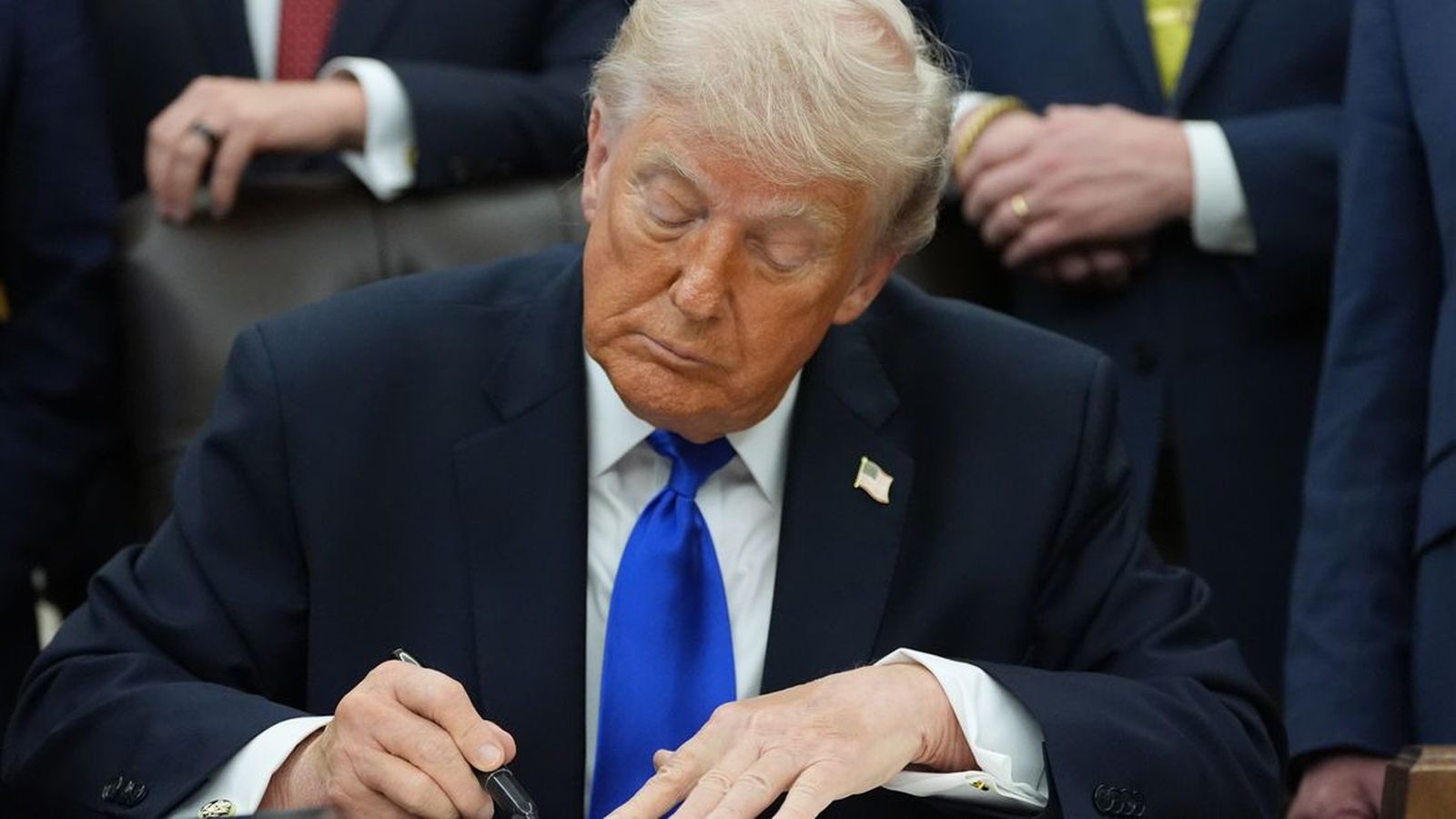
WASHINGTON (Azat TV) – President Donald Trump has formally notified the US Congress that hostilities in the conflict with Iran, which began in late February 2026, have “terminated.” The notification, delivered on Friday, arrives at a critical juncture as the administration faces the 60-day deadline imposed by the War Powers Resolution of 1973, which traditionally requires congressional authorization for sustained military engagement.
Navigating Constitutional Constraints and War Powers
In a letter addressed to House Speaker Mike Johnson and Senate President Pro Tempore Chuck Grassley, Trump asserted that the cessation of fire since April 7, 2026, marks the end of active hostilities. While the administration maintains that this status change satisfies the requirements of the War Powers Resolution, the move has reignited debates regarding executive authority. Trump, who has publicly labeled the 60-day limitation “totally unconstitutional,” continues to assert that no president is required to seek formal authorization for such military posture, despite historical precedents to the contrary, as noted by CNN.
The Stakes of the Iran Negotiation Stalemate
The formal declaration of an end to hostilities occurs as diplomatic efforts remain stagnant. President Trump expressed dissatisfaction with the latest proposal from Tehran, suggesting that the United States might be better served by abandoning negotiations entirely. The administration remains caught between two stark options: a potential for renewed, large-scale military escalation or a precarious peace deal that remains elusive. Meanwhile, internal discord within the Iranian leadership appears to complicate the path forward, with reports of fragmented command and control structures despite claims from Tehran that the supreme leader remains in charge of the process.
Domestic and Global Implications
The political cost of the conflict has grown increasingly apparent on the home front. A recent Washington Post/ABC News/Ipsos poll indicates that 61% of Americans view the military action against Iran as a mistake, a sentiment fueled by rising domestic economic concerns and the depletion of US weapon stockpiles. Defense assessments suggest that the rapid expenditure of precision-strike and air defense missiles has created near-term risks for American military readiness, a factor that may influence the administration’s tactical calculations as it shifts away from active combat.
The administration’s decision to characterize the conflict as terminated appears to be a strategic maneuver to avoid a constitutional confrontation with Congress, effectively freezing the legal clock on war powers while maintaining the flexibility to resume military pressure should diplomatic negotiations fail to yield a favorable outcome.