
Quick Read
- Trump urges rapid negotiations for Gaza peace.
- 20-point plan includes hostages-for-prisoners swap.
- Continued bombings in Gaza complicate talks.
- Hamas tentatively agrees to parts of peace deal.
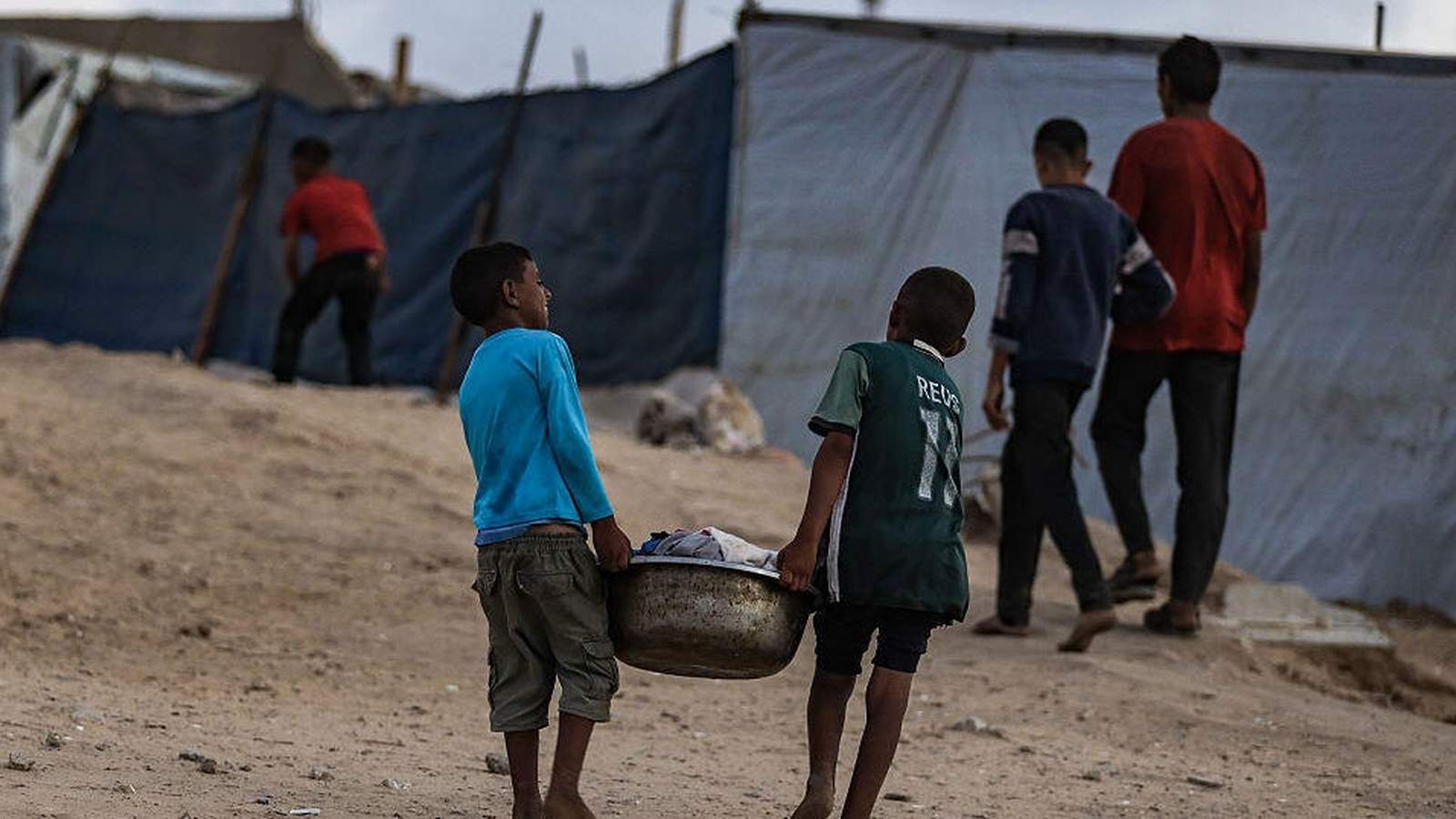
- Humanitarian crisis worsens amid conflict.
The enduring conflict between Israel and Hamas has captured global attention, with the Gaza Strip becoming a focal point of geopolitical tensions and humanitarian crises. President $1 Trump has re-entered the fray, urging negotiators to ‘move fast’ in a series of peace talks held in Egypt. His proposed 20-point peace plan seeks to address hostilities that have ravaged the region for nearly two years. With widespread devastation, staggering death tolls, and international pressure mounting, the stakes have never been higher for a resolution.
Trump’s 20-Point Peace Plan: Key Proposals
Donald Trump’s peace initiative aims to establish a framework for ending the prolonged violence in Gaza. Among its key points is the immediate release of hostages held by Hamas, estimated at 48 individuals, only 20 of whom are believed to be alive. In exchange, Israel is expected to release hundreds of Palestinian prisoners. The plan also stipulates the disarmament of Hamas and the establishment of a transitional Palestinian governance structure led by independent technocrats.
Another major element involves a phased withdrawal of Israeli troops from the Gaza Strip to a predefined “yellow line” boundary, marking the first step toward de-escalation. However, this provision has sparked controversy, as Israeli officials have signaled intentions to maintain military presence in certain areas, citing security concerns. Trump’s map for the withdrawal has also drawn criticism for excluding significant portions of Gaza’s population from returning to their homes.
Challenges in Implementation
The path to peace is fraught with logistical and political hurdles. Continued Israeli bombardments in Gaza complicate the negotiation process, as Secretary of State Marco Rubio emphasized the impossibility of releasing hostages amidst ongoing strikes. Reports indicate that despite Trump’s call for an immediate cessation of attacks, airstrikes and ground offensives have persisted, resulting in further civilian casualties and destruction.
Hamas has expressed tentative agreement to parts of the peace plan but remains resistant to key demands such as disarmament and relinquishing governance. This stance reflects both internal political pressures and external influences from Arab and Muslim-majority countries. While a joint statement from foreign ministers across eight nations welcomed Hamas’ willingness to negotiate, the group’s flexibility is seen as a calculated risk amid dwindling leverage after two years of war.
Humanitarian Crisis in Gaza
The humanitarian toll of the conflict is staggering. Nearly 67,000 Palestinians have been killed, according to the Hamas-run Gaza Health Ministry, though independent verification of these figures is challenging due to restrictions on international journalists. Gaza’s infrastructure lies in ruins, with residents struggling to access basic necessities like food, water, and medical supplies.
The situation is further exacerbated by mass displacement, with thousands of families wiped off the civil registry. The loss of medical personnel, journalists, and civil defense workers underscores the deep societal impacts of the ongoing violence. International aid organizations and neighboring countries have called for urgent intervention to address these dire conditions.
Regional and Global Implications
The Gaza peace talks hold significant implications for broader Middle Eastern stability. Trump’s direct involvement, alongside key figures like Jared Kushner and Steve Witkoff, signals the United States’ commitment to mediating a resolution. The participation of countries like Egypt, Qatar, and Turkey highlights the regional interest in ending hostilities and establishing a sustainable peace framework.
However, skepticism remains regarding the durability of any agreement reached. Historical precedents and entrenched mistrust between the parties pose considerable barriers to long-term success. Additionally, the exclusion of certain groups and contentious issues, such as Hamas’ future role in Gaza governance, leave critical questions unanswered.
As the world watches, the Gaza peace talks represent a pivotal moment in the effort to resolve one of the most enduring conflicts of our time. The success or failure of these negotiations could redefine the geopolitical landscape and determine the fate of millions affected by war.