
Quick Read
- President Trump has intensified his attacks on Federal Reserve Chair Jerome Powell, criticizing his handling of interest rates and a $2.5 billion renovation project.
- The administration has accused Powell of fiscal mismanagement and misleading Congress during testimony.
- Experts warn that undermining the Fed’s independence could destabilize financial markets and the global economy.
- Trump has suggested naming Powell’s successor before his term expires in May 2026.
In a dramatic escalation of his long-standing feud with Federal Reserve Chair Jerome Powell, President Donald Trump has intensified public and political pressure on the central bank chief. Over recent weeks, Trump and his allies have launched a series of personal and professional attacks on Powell, targeting his handling of interest rates, inflation, and even a $2.5 billion renovation project for the Federal Reserve’s Washington, D.C. headquarters.
The Roots of the Conflict
The conflict between Trump and Powell dates back to the early years of Trump’s presidency when Powell, appointed by Trump in 2018, took office as the head of the Federal Reserve. While Powell initially enjoyed Trump’s support, their relationship soured as the Fed began raising interest rates in response to economic overheating. Trump, favoring lower rates to stimulate growth and reduce borrowing costs, has frequently criticized Powell for failing to align with his economic agenda.
By 2025, the tension had reached new heights. On June 19, Trump publicly lambasted Powell after the Federal Reserve held interest rates steady, claiming that the Fed’s decisions were politically motivated. According to NBC News, Trump accused Powell of failing to act swiftly during the 2022 inflation crisis and mocked him with the nickname “Too Late.”
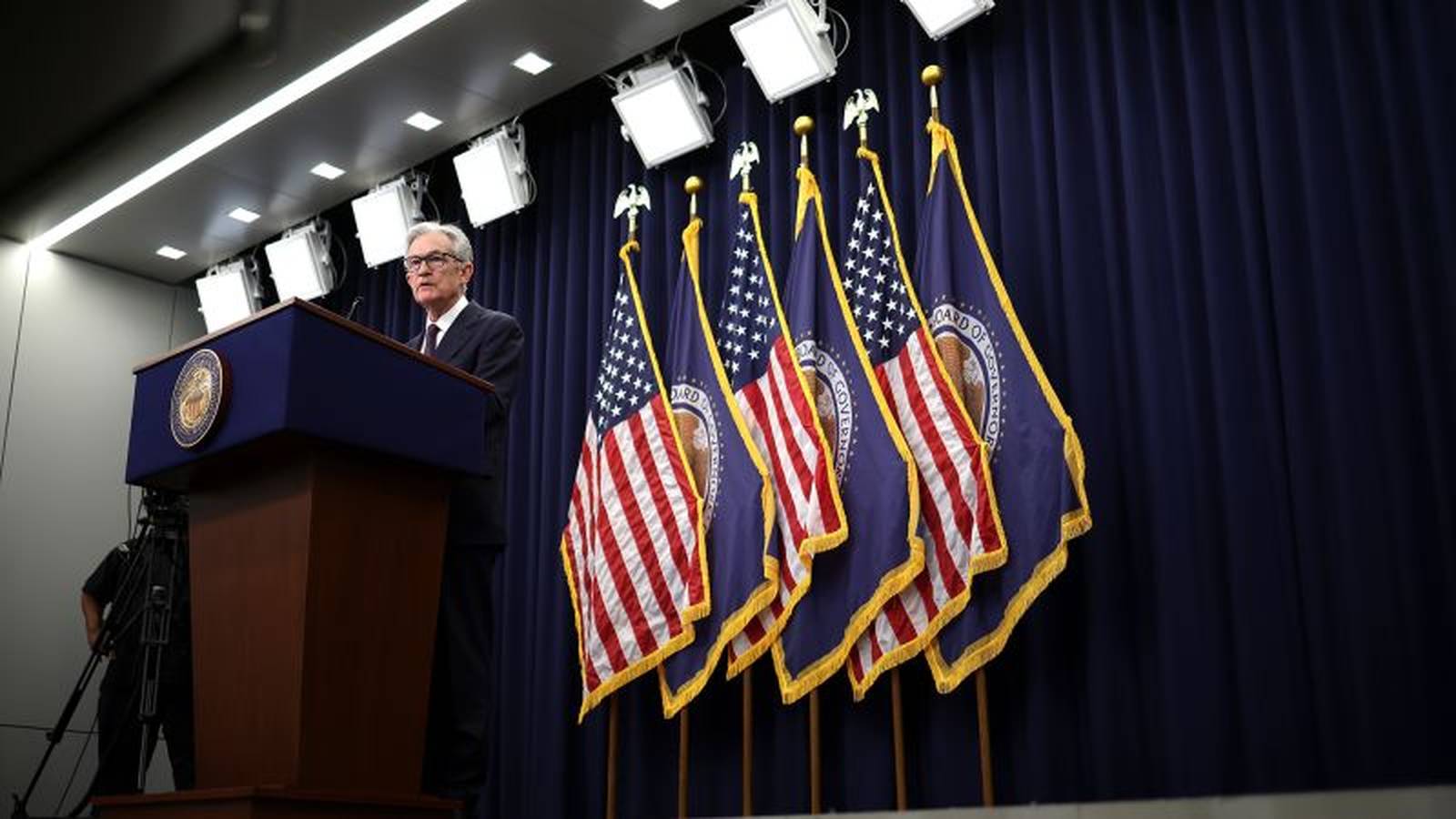
Powell, for his part, has maintained that the Federal Reserve’s primary focus remains achieving price stability and full employment. In early July, he reiterated at a central banking conference, “I’m very focused on just doing my job.”
Controversy Over Renovation Costs
A key flashpoint in the recent attacks has been the planned renovation of the Federal Reserve’s headquarters. The project’s budget, originally estimated at $1.9 billion, has ballooned to $2.5 billion, sparking allegations of fiscal mismanagement. On July 10, Russell Vought, Director of the Office of Management and Budget (OMB), accused Powell of violating federal oversight regulations and misleading Congress during his June 25 testimony.
In his testimony, Powell defended the renovation, stating, “There’s no VIP dining room, no new marble, and no special elevators—just old elevators that have been there for decades.” However, Vought’s letter, posted on social media, claimed otherwise and demanded a site visit and a review of the project’s compliance with the National Capital Planning Act, according to CNN.
Observers, including policy analyst Ed Mills of Raymond James, have suggested that the administration’s focus on the renovation may be an effort to undermine Powell’s credibility. “This could be a tactic to create enough of a negative environment that Powell decides it’s no longer worth it,” Mills told CNN.
Potential Ramifications for the Federal Reserve
The independence of the Federal Reserve, a cornerstone of U.S. economic policy, has come under scrutiny amidst Trump’s attacks. While the president has stopped short of directly firing Powell, he has floated the idea of naming Powell’s successor before his term expires in May 2026. Treasury Secretary Scott Bessent has reportedly been tasked with vetting candidates, though some believe this process is a mere formality.
Critics argue that undermining the Fed’s autonomy could have severe consequences. As The American Prospect reported on July 11, granting the White House greater control over monetary policy could lead to inflation, market instability, and a loss of global confidence in the U.S. dollar. Former Fed Vice Chair Alan Blinder warned, “If markets lose faith in the independence of the Fed, rates don’t go lower—they go higher.”
In May, the Supreme Court ruled that the president could fire certain independent agency members but suggested that the Federal Reserve, as a quasi-private entity, might be exempt. This legal ambiguity has left room for speculation about Trump’s ultimate intentions.
What Lies Ahead?
With the Federal Reserve’s next interest rate decision scheduled for July 30, all eyes are on Powell and his team. Despite the mounting pressure, Powell has signaled that rate cuts may still be on the table later this year. However, critics within the administration, including Peter Navarro and Bill Pulte, continue to call for his resignation, arguing that his policies are out of step with the nation’s needs.
As the battle between Trump and Powell unfolds, the stakes extend beyond mere policy disagreements. The outcome could shape the future of the Federal Reserve, its independence, and its role as a stabilizing force in the global economy.
In a world of escalating political tensions, the independence of central banks remains a critical pillar of economic stability. Whether Powell can weather this storm will determine not only his legacy but also the trajectory of U.S. monetary policy for years to come.