
Quick Read
- Trump signed an executive order reclassifying marijuana as Schedule III on Dec. 18, 2025.
- The change allows more research and medical use, but does not legalize recreational marijuana federally.
- Businesses in legal states may benefit from improved tax conditions under the new classification.
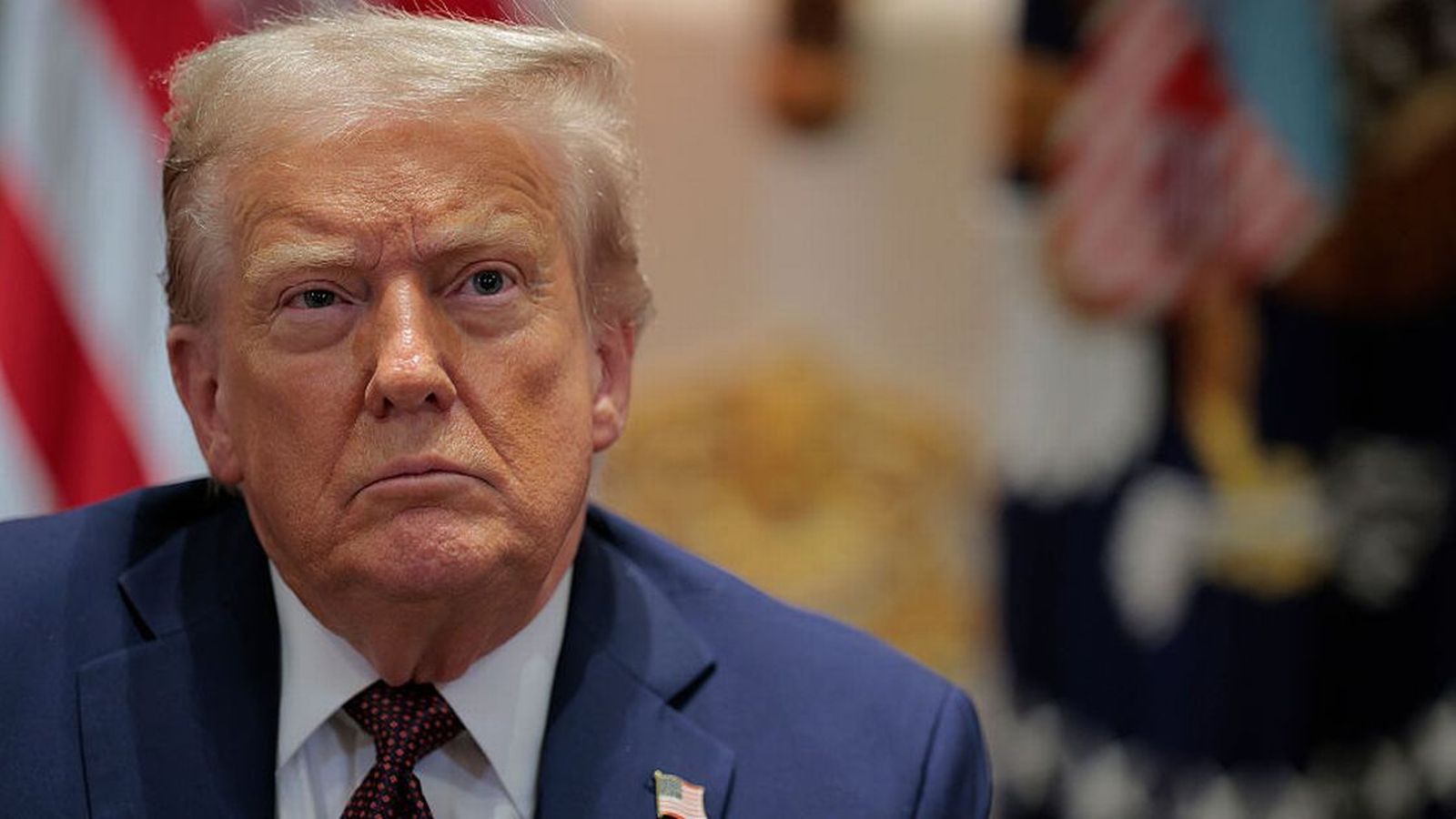
In a move that’s stirring both hope and debate across the United States, President Donald Trump signed an executive order on December 18, 2025, reclassifying marijuana from a Schedule I to a Schedule III narcotic. The announcement, made with characteristic flair, was accompanied by Trump’s declaration that he is the ‘President of Common Sense.’ But what does this change actually mean for patients, researchers, businesses, and federal law?
The significance lies in the details. For decades, marijuana sat alongside heroin, LSD, and ecstasy as a Schedule I drug—defined by the Drug Enforcement Agency as substances with “no currently accepted medical use and a high potential for abuse.” Now, as a Schedule III drug, marijuana is grouped with substances such as ketamine, anabolic steroids, and certain codeine products, which are recognized for their “moderate to low potential for physical and psychological dependence.”
This reclassification does not mean marijuana is federally legal. In fact, the executive order makes clear that recreational use remains illegal at the federal level. However, Trump emphasized that the goal is to “increase availability for patients, such as cancer patients, who use marijuana and its derivatives for medicinal purposes.” He described the decision as a response to “people begging for me to do this, people that are in great pain.” According to Trump, polls show that 82% of Americans support the change—a number that signals broad public backing for a more flexible approach to drug policy.
So, what changes on the ground? First, researchers may find fewer barriers to studying marijuana’s medical effects. Under Schedule I, scientific studies faced strict limitations and cumbersome approval processes. As a Schedule III substance, marijuana can be studied more freely, potentially unlocking new treatments for pain, nausea, and other conditions. Cancer patients and others with chronic illnesses could benefit if medical marijuana becomes easier to prescribe and access, though it will still require regulatory oversight.
Second, businesses operating in states where marijuana is already legal—currently 24 states, two territories, and the District of Columbia—could see financial relief. Under the old Schedule I classification, these businesses faced heavy tax burdens and could not claim common deductions available to other industries. The shift to Schedule III may allow for more favorable tax treatment, supporting the economic sustainability of cannabis companies.
However, the change stops short of full legalization. Marijuana remains illegal on the federal level for recreational use, and Trump’s order does not override existing federal statutes. The executive order is a step toward reform, but Congress would need to act to fully legalize or regulate marijuana nationwide. Trump himself campaigned on these reforms in 2024, promising to “end needless arrests and incarcerations of adults for small amounts of marijuana for personal use,” and to “implement smart regulations, while providing access for adults to safe, tested product.”
It’s worth noting that President Joe Biden had attempted a similar policy shift, but faced legal and administrative hurdles that stalled the process during his term. Trump’s success in enacting the change highlights both the complexity of federal drug policy and the evolving attitudes toward cannabis in American society.
For now, the executive order opens the door to more research, improved access for patients, and better conditions for state-authorized marijuana businesses. But the larger question remains: will this reclassification serve as a stepping stone to broader legalization, or will it simply carve out a narrow path for medical use? As the nation watches and waits, policymakers, patients, and entrepreneurs are left navigating a landscape in flux—one where the rules are shifting, but the future is still uncertain.
Trump’s decision to reclassify marijuana as a Schedule III narcotic is a pragmatic step that aligns policy with public opinion and medical realities. While it doesn’t resolve the broader debate over legalization, it signals a willingness to adapt federal law to the changing needs of Americans—especially those seeking relief from serious illness. The move’s real impact will depend on how researchers, states, and Congress respond in the coming years. Source: AOL News, PEOPLE.