


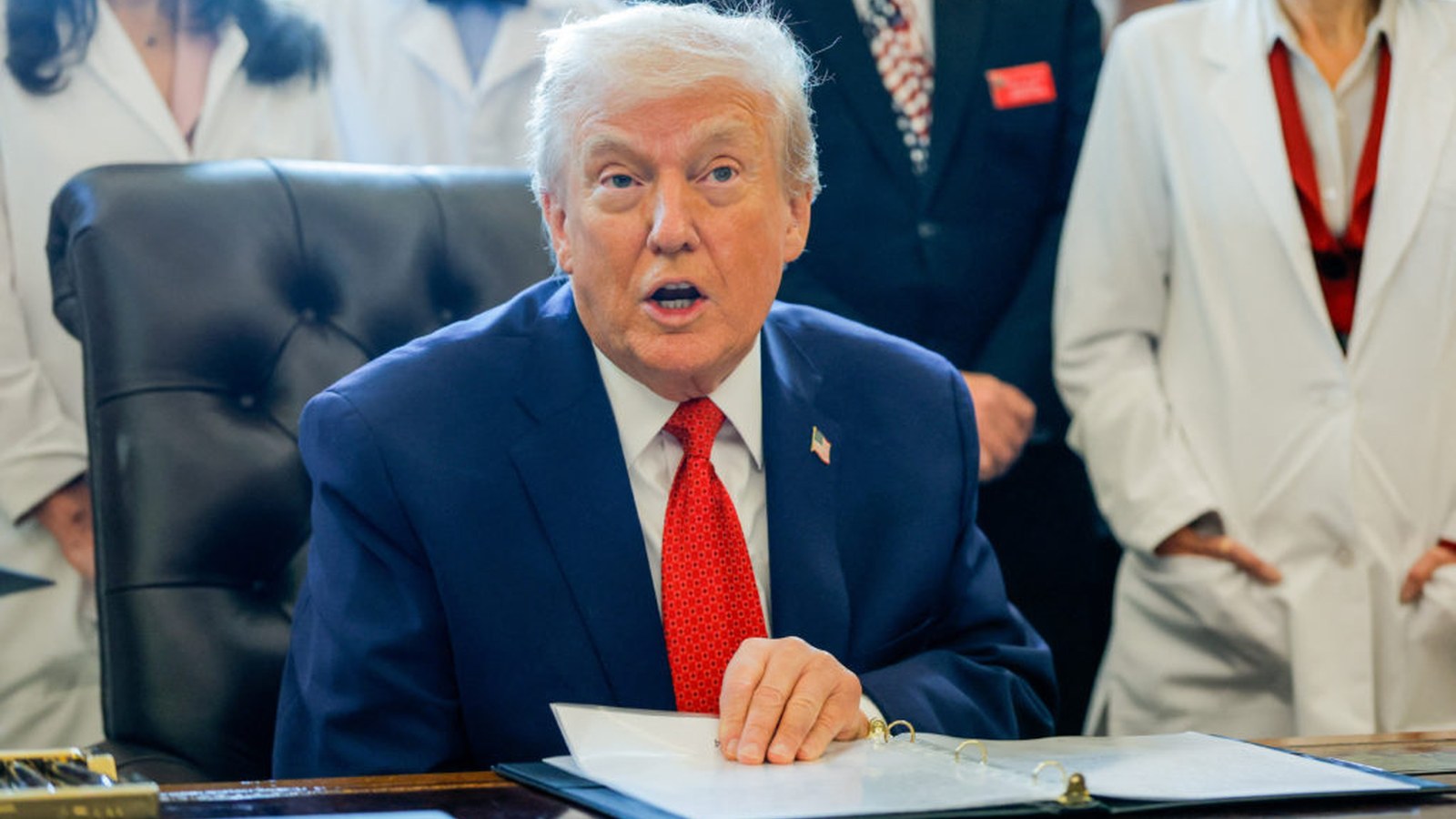
WASHINGTON (Azat TV) – President Donald Trump met with NATO Secretary-General Mark Rutte on Wednesday in a high-stakes encounter at the White House, aimed at addressing the President’s vocal dissatisfaction with the alliance’s role during the recent conflict with Iran. The meeting followed days of public musings by the President regarding a potential U.S. withdrawal from the trans-Atlantic security pact, citing a lack of military cooperation from member states.
Strains Over the Strait of Hormuz
The core of the diplomatic tension lies in the recent closure of the Strait of Hormuz by Iran, which triggered a global energy crisis. President Trump expressed frustration that NATO allies failed to provide the necessary support to reopen the strategic waterway, describing the lack of assistance as a failure by members who depend on the region’s oil flow. Several nations, including France and Spain, restricted the use of their airspace and facilities for U.S. operations during the six-week conflict, a move the White House characterized as member states turning their backs on the American people.
The Future of the Trans-Atlantic Alliance
While a two-week ceasefire between the U.S. and Iran was finalized late Tuesday, the political fallout continues to test the cohesion of the 32-member alliance. Following the meeting, President Trump reaffirmed his grievances on social media, stating that the alliance failed to support the U.S. when required. Despite the rhetoric, Secretary-General Rutte described the discussion as a “very frank and candid conversation,” attempting to navigate the President’s skepticism while emphasizing the ongoing value of the security architecture.
Legislative Barriers and Diplomatic Hurdles
The prospect of a U.S. exit faces significant institutional hurdles. In 2023, the U.S. Congress passed legislation explicitly prohibiting any president from unilaterally withdrawing from NATO without congressional approval. Despite these legal safeguards, the President’s renewed threats—coupled with lingering disputes over defense spending and his recurring interest in acquiring Greenland—have left the alliance in a state of heightened uncertainty. Senator Mitch McConnell has publicly urged the administration to maintain consistency, warning that alienating allies serves only to embolden adversaries.
The friction between the White House and NATO reflects a fundamental shift in the American approach to collective security, where the President is increasingly conditioning the U.S. commitment to the alliance on immediate, transactional participation in regional military objectives rather than long-term strategic alignment.