
Quick Read
- Trump credited Azerbaijan’s President Ilham Aliyev and Armenia’s Prime Minister Nikol Pashinyan for upholding the peace agreement signed last August.
- He describes the preceding war as terrible and says there is now peace and prosperity.
- In February, U.S. Vice President JD Vance will visit two countries to advance peace efforts and Trump’s international peace initiative.
- The agenda outlined includes a peace nuclear cooperation agreement with Armenia, semiconductor-manufacturer deals, and defense-related equipment sales to Azerbaijan, including armor gear and boats.
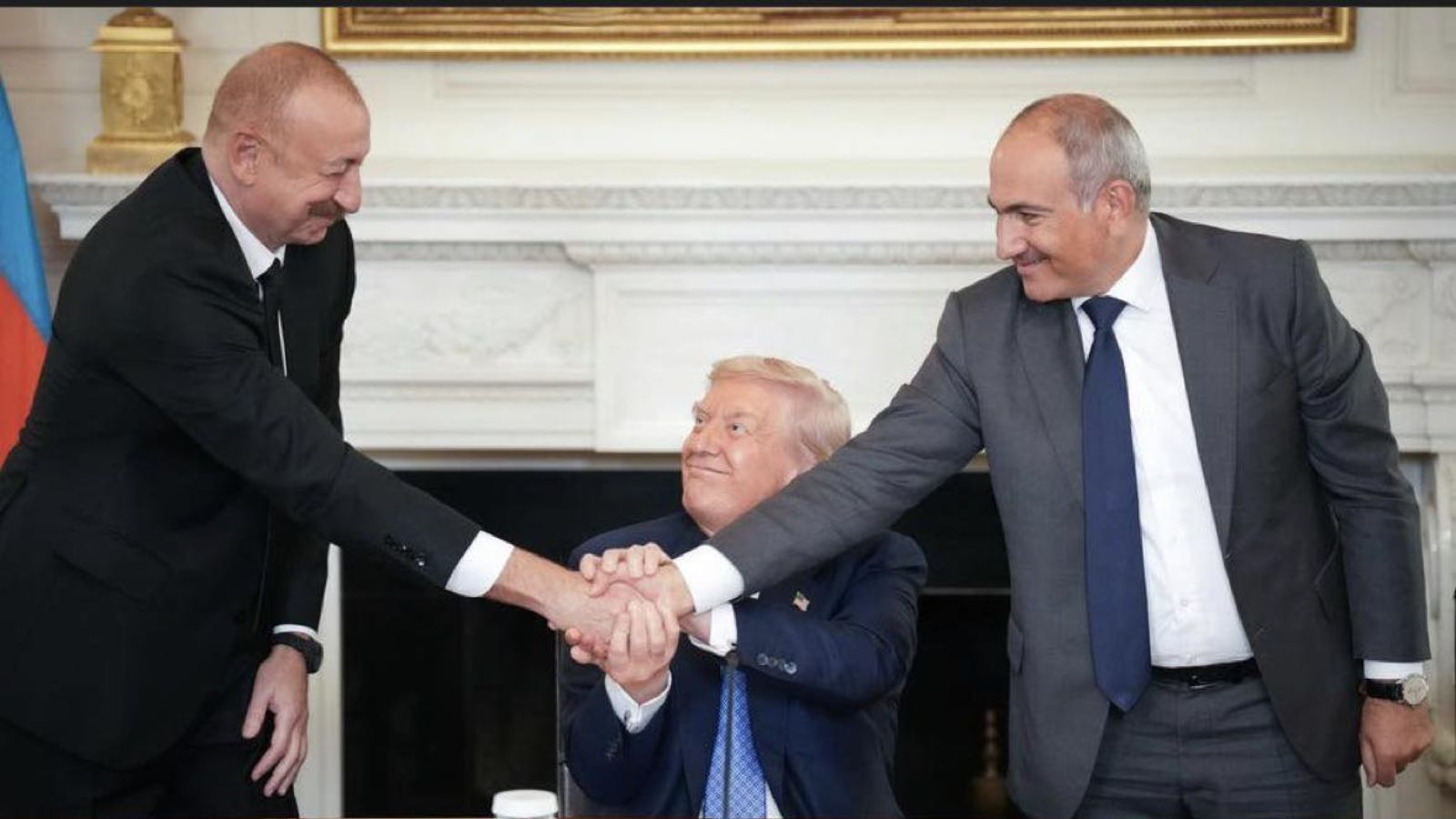
In a post on his social media platform, $1 Donald J. Trump credited Azerbaijan’s President Ilham Aliyev and Armenia’s Prime Minister Nikol Pashinyan for upholding the peace agreement signed last August. The message, which reflects a broader public diplomacy push, frames the agreement as a turning point after years of conflict and portrays the current moment as one of peace and growth. The post quotes Trump as saying, “I would like to thank President Ilham Aliyev of Azerbaijan and Prime Minister Nikol Pashinyan of Armenia for upholding the peace agreement signed last August. It was a terrible war—one of the eight wars I ended, but today we have peace and prosperity.”
Beyond praise for the two leaders, the post outlines a multipart agenda associated with what Trump has described as a peace initiative for international peace and prosperity. In a second note, the $1 states that in February, the United States Vice President will visit two countries to continue peacekeeping efforts and advance the Trump-led initiative. While the post does not specify exact dates or contingencies, it signals an ongoing push to deepen the U.S. role in the diplomacy surrounding the Nagorno-Karabakh region and the broader South Caucasus framework.
According to the message, Washington intends to strengthen its strategic partnership with Azerbaijan and to sign a peace nuclear cooperation agreement with Armenia. The text also mentions signing contracts with leading semiconductor manufacturers and selling U.S.-produced defense-related equipment to Azerbaijan, including armor-protective gear, boats, and other equipment. The combination of security guarantees, economic collaboration, and technology transfer signals a comprehensive approach aimed at supporting allied interests in the region while expanding American manufacturing exports. The post closes with a concise expression of gratitude: “Thank you.” The document identifies the author as President Donald J. Trump.
Analysts and observers will be watching for confirmation of the scenarios laid out in the post, including any formal diplomatic steps, additional high-level visits, and tangible agreements on the nuclear cooperation pact or defense-related exports. The remarks reflect a political strategy that intertwines personal leadership narratives with policy proposals, a hallmark of Trump’s public messaging style, particularly when addressing complex regional issues that involve long-standing interstate tensions and security concerns. For Armenia and Azerbaijan, the post reinforces ongoing engagement with the United States, though the precise policy steps, timelines, and legislative or diplomatic hurdles remain to be clarified by official channels and subsequent diplomatic disclosures.
The post highlights the interplay between political branding and real-world diplomacy, showing how messaging may shape expectations without immediate, verifiable commitments, and it raises questions about timelines and feasibility as February visits approach. The coming weeks will be crucial to determine whether these statements translate into formal agreements, clarified timelines, and verifiable progress in the peace process that could stabilize the region and recalibrate Western involvement in South Caucasus diplomacy.