


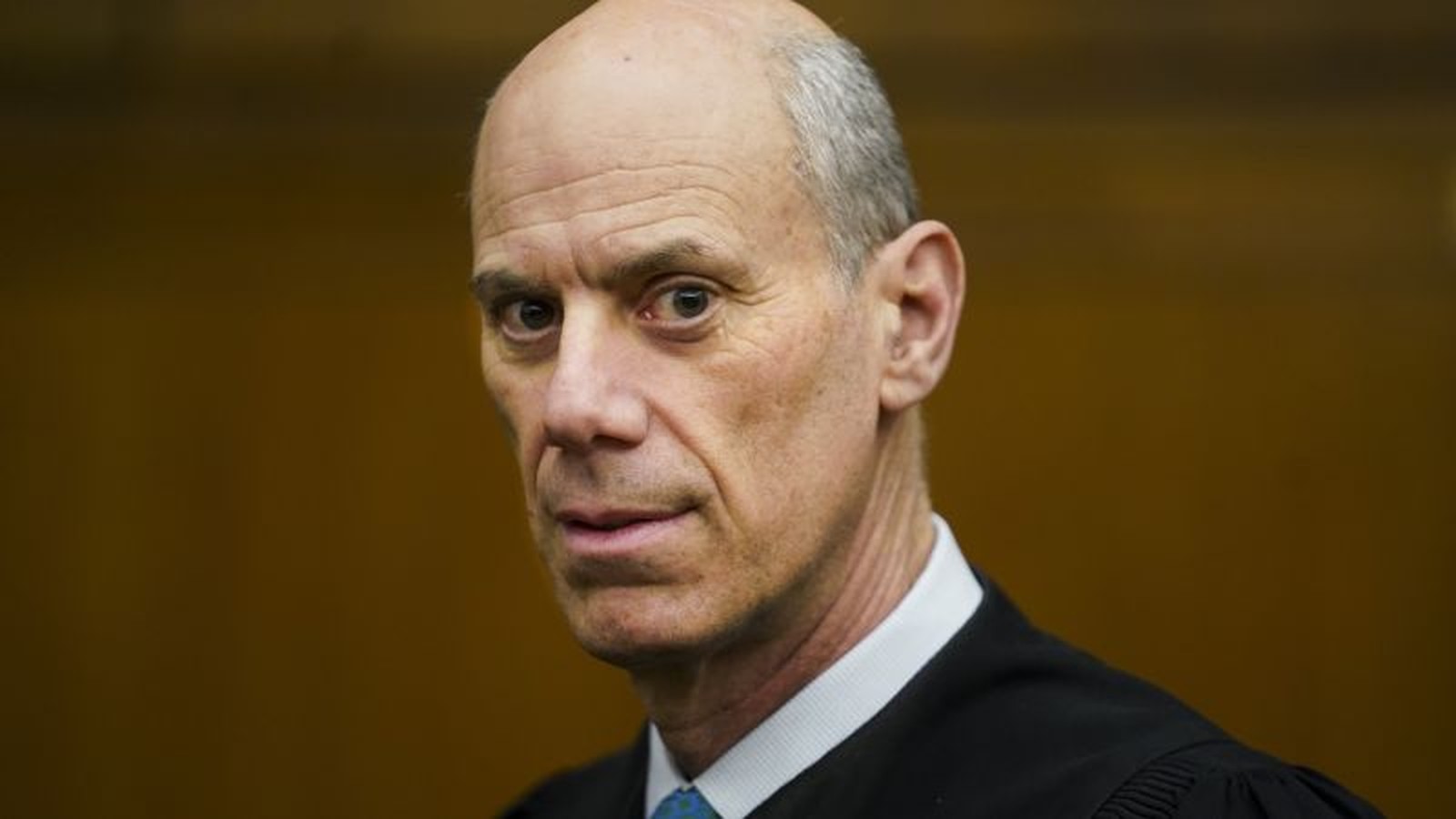
A divided federal appeals court on Tuesday ordered U.S. District Judge James Boasberg to terminate his criminal contempt inquiry into Trump administration officials, effectively blocking a long-running effort to hold the executive branch accountable for defying judicial orders regarding the mass deportation of migrants.
Judicial Oversight and Executive Authority
The ruling marks a significant victory for the Trump administration, which had repeatedly appealed to the D.C. Circuit Court of Appeals to prevent Boasberg from probing internal deliberations regarding deportation flights conducted in March 2025. The administration utilized 18th-century wartime authority under the Alien Enemies Act to remove the migrants, despite a direct court order from Boasberg that the planes be turned around while legal challenges were pending.
In an unsigned opinion, Judges Neomi Rao and Justin Walker, both appointees of President Trump, described Boasberg’s investigation as a “clear abuse” of judicial discretion. The court argued that the inquiry threatened to intrude upon protected executive decision-making regarding national security and diplomatic initiatives. “The district court proposes to probe high-level Executive Branch deliberations about matters of national security and diplomacy,” the opinion stated. “These proceedings are a clear abuse of discretion.”
The Stakes of the Contempt Inquiry
The investigation stemmed from allegations that the administration willfully ignored judicial authority when it transferred migrants to Salvadoran custody, where they were held in a high-security facility for months before being released in a prisoner swap with Venezuela. Judge Boasberg, an appointee of former President Barack Obama, had sought to compel testimony from top Justice Department officials to determine if the violation of his order was intentional.
The appellate panel’s decision explicitly rejected the path Boasberg was pursuing, noting that criminal liability cannot be based on “unstated intentions” of a trial judge. While the majority was critical of the probe, Judge Walker acknowledged Boasberg’s reputation for “dispassionate decision-making.”
A Divided Judicial Response
The ruling was not unanimous. Judge Michelle Childs, an appointee of former President Joe Biden, issued a lengthy 80-page dissent, warning that the majority’s decision sets a dangerous precedent that limits the power of trial courts to enforce their own orders. “Contempt of court is a public offense, and the fate of our democratic republic will depend on whether we treat it as such,” Childs wrote.
Legal representatives for the affected migrants, including the American Civil Liberties Union, have characterized the decision as a significant blow to the rule of law. The plaintiffs may now seek review from the full D.C. Circuit or petition the Supreme Court to intervene in the matter.
The clash between Judge Boasberg and the appellate court underscores a deepening constitutional tension regarding the limits of judicial oversight when the executive branch invokes national security, a conflict that remains unresolved as the legal status of the 2025 deportations continues to be litigated in higher courts.